




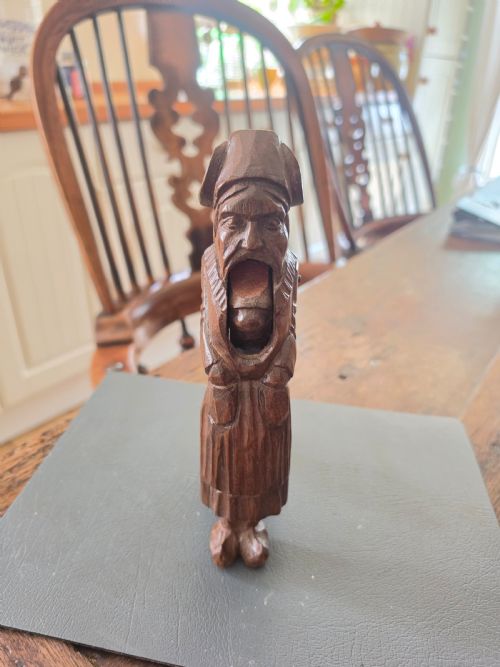


Signed Art Sculpture
When you search for a signed art sculpture, you examine works cast in bronze, carved in marble, alabaster, or wood, bearing the mark of their maker.
Signed Art Sculpture
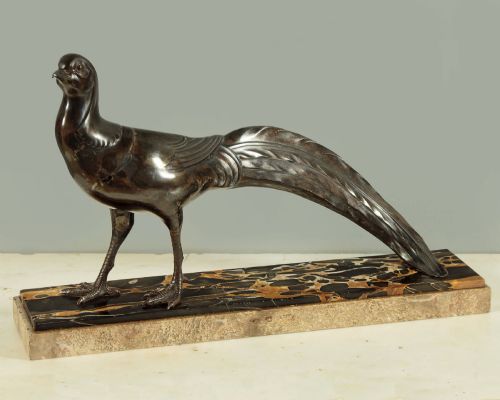
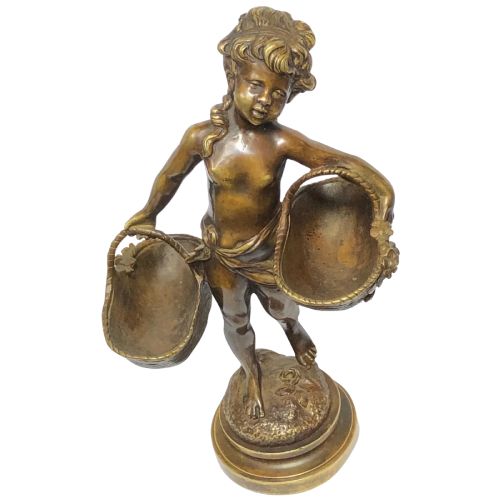
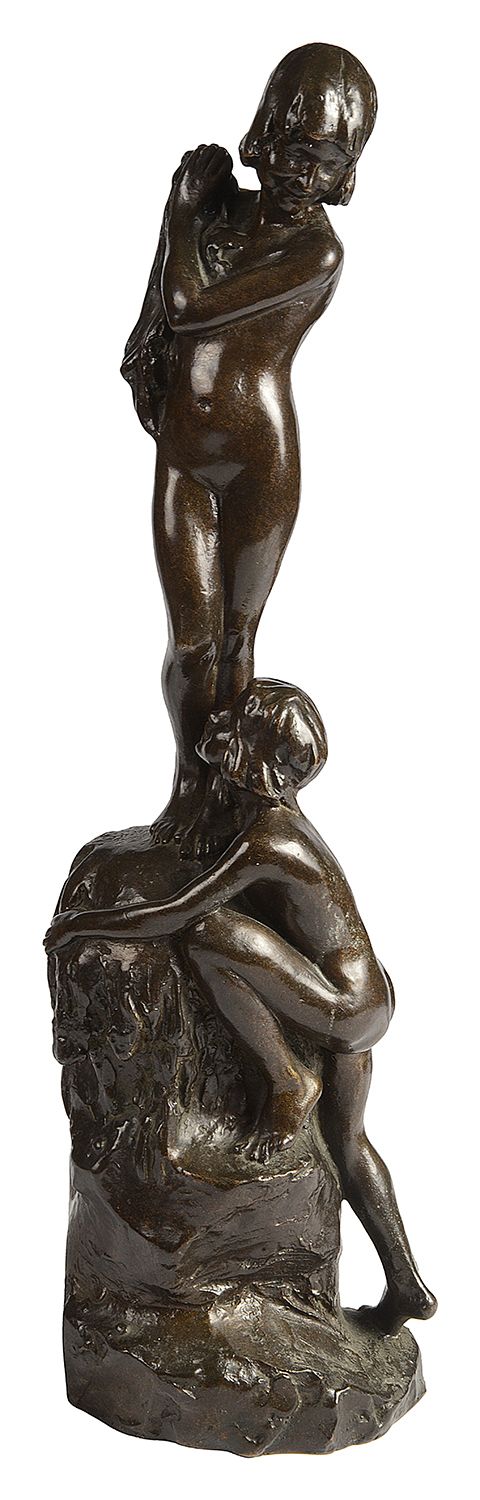
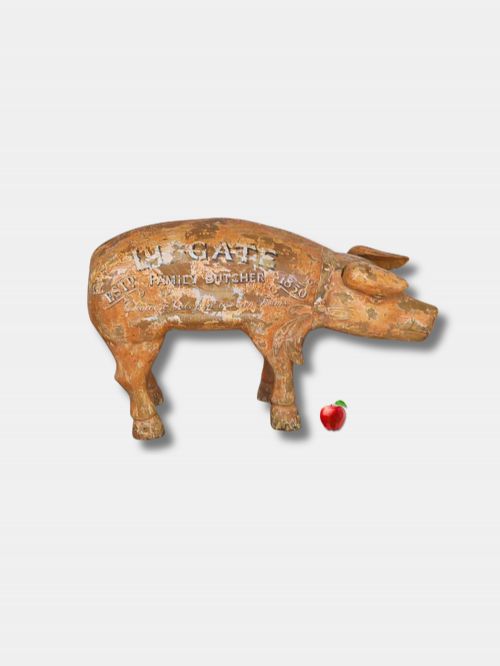
A signed art sculpture encompasses figurative bronzes, carved stone busts, trade signs, and wooden animal models bearing an artist or maker mark. These pieces emerge from periods spanning the nineteenth century through the art deco era and later decades.
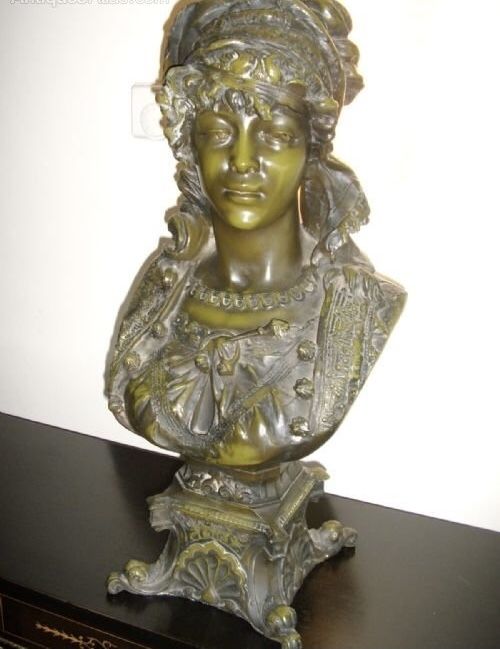
You frequently meet French and Italian works executed in patinated bronze or carved alabaster, alongside folk art wooden figures and painted trade signs. The forms range from classical maiden lamps and dancers to animal groups and portrait busts.
The presence of a signature grounds the object in a specific workshop, studio, or individual practice. It connects the physical material directly to the hand or foundry responsible for its creation.
Materials and construction methods
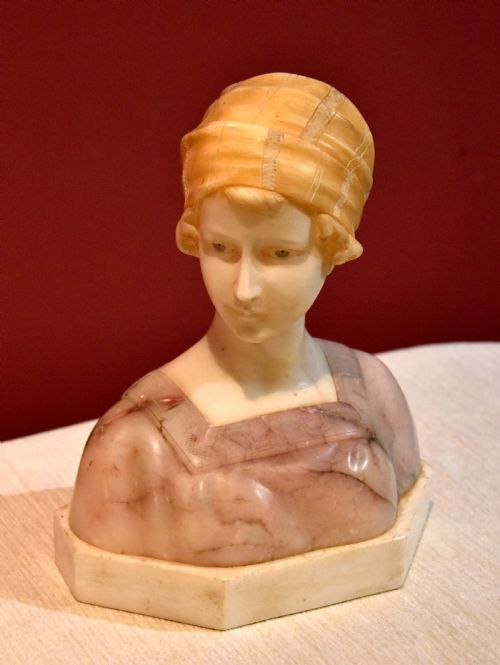
Foundries cast metal sculptures using traditional techniques, applying patinas directly to the surface of bronze or spelter to achieve tonal depth and colour variation. Artisans combine materials, mounting alabaster figures on marble bases or pairing metal elements with wooden supports.
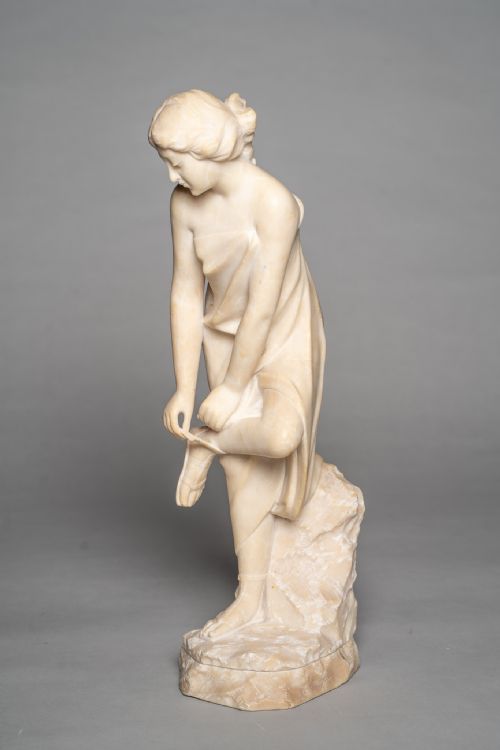
Carvers work stone by hand, shaping alabaster and marble to capture the drape of fabric or the contour of a human form. Woodworkers cut, join, and paint timber to construct trade signs, bookends, and folk art figures.
Sign painters apply layers of pigment to wood or metal surfaces, while sculptors chisel details into pine, oak, and hardwood. These techniques reflect the workshop standards of nineteenth and early twentieth century production.
Signed Art Sculpture Retail Price Guide 2026
Typical asking prices for signed art sculpture among the pieces listed under this phrase on Sellingantiques today, from the lower quarter to the upper quarter. They describe what is for sale here now, not the wider market.
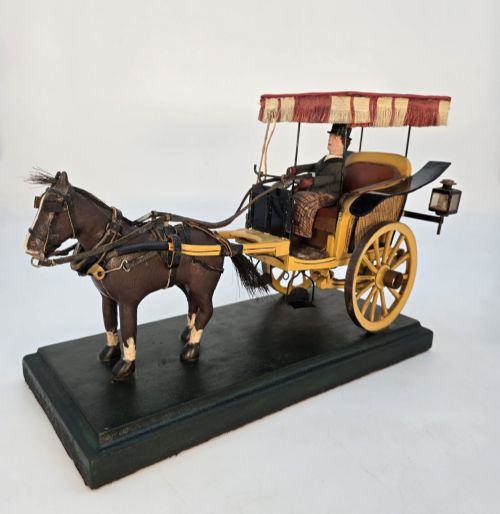
A painted wooden horse and driver from a Paris chaise carriage stands ready to trot off your mantelpiece.
Assessing execution and detail
The refinement of the surface detail distinguishes superior casting and carving from standard commercial output. Crisp chiselling in stone and sharp relief in metal demonstrate the skill applied by the sculptor.
Proportion and balance dictate the visual success of a figural group or portrait bust. Superior examples maintain anatomical accuracy and fluid movement, whereas lesser pieces display stiffness in posture or heavy-handed modelling.
The quality of the material itself, whether dense alabaster, heavy hot-cast bronze, or finely grained hardwood, dictates the longevity and physical presence of the piece.
Auguste Moreau·E.Villanis·Luigi Secchi·Julien Lorieux·D.H. Chiparus·I. Rochard·Henri Honore Ple·Ferdinando Vichi
The Signed Art Sculpture Glossary
- Patina
- The surface coloration and sheen developed naturally over time or applied chemically by the foundry. This layer protects the metal and adds visual depth.
- Alabaster
- A soft, fine-grained stone used for carving statues and lamps. Its translucent quality allows light to pass partially through the carved surface.
- Spelter
- A zinc alloy frequently utilised as a cost-effective substitute for bronze in nineteenth-century figures. It accepts silvered or painted finishes.
- Lost wax casting
- A method where a wax model is melted from a mould and replaced with molten metal. This technique captures minute details from the original sculptor's model.
- Trade sign
- A painted or carved object displayed outside a shop to indicate the trade practised within. Examples include carved wooden figures and large animal models.
Signed Art Sculpture: Frequently Asked Questions
How do I spot a foundry mark?
Foundry marks and signatures typically appear near the base of the sculpture, stamped directly into the metal or incised into the stone during the casting or carving process. Look closely around the lower edge of the bronze or the rear of the marble plinth.
Familiarise yourself with the typical placement used by specific foundries and sculptors. A magnifying glass often helps reveal faint signatures obscured by deep patination or age.
What is hot-cast bronze?
Hot-cast bronze refers to traditional metal sculptures produced by pouring molten bronze into a mould using the lost-wax method. This process ensures durability and allows for intricate surface detailing.
These pieces possess significant weight and cold to the touch. They represent the standard method for quality sculptural work across the periods represented here.
How should I clean marble or alabaster?
Dust carved stone gently with a dry, soft cloth to prevent abrasive particles from scratching the polished surface. Avoid using water, oils, or household detergents, which can penetrate the porous stone and cause staining.
Alabaster is particularly soft and sensitive to moisture. Consult a specialist restorer if the stone requires deeper cleaning or repair.
Are trade signs considered sculptures?
Trade signs function primarily as commercial advertisements but share materials and carving techniques with fine art sculptures. Artisans shaped wood and metal into animals and figures to attract customers to shops.
Over time, these functional objects transitioned into collected folk art. Their sculptural form and weathered painted surfaces appeal to collectors of antique displays.