



Signed Art Miniature
A signed art miniature offers concentrated detail, bringing the intimacy of portraits, landscapes, and carved objects into a remarkably small scale.
Signed Art Miniature
A signed art miniature encompasses small-scale works executed across several centuries, capturing significant subjects in restricted dimensions. When exploring signed art miniature items, buyers encounter framed portraits, floral studies, carved amber cats, and painted porcelain plaques.
The materials span watercolour on glass or paper, oil on copper, wood panel, and board, alongside carved netsuke and framed silk rugs. Many examples from the nineteenth century, eighteenth century, and earlier periods bear distinct signatures or inscriptions from their makers.
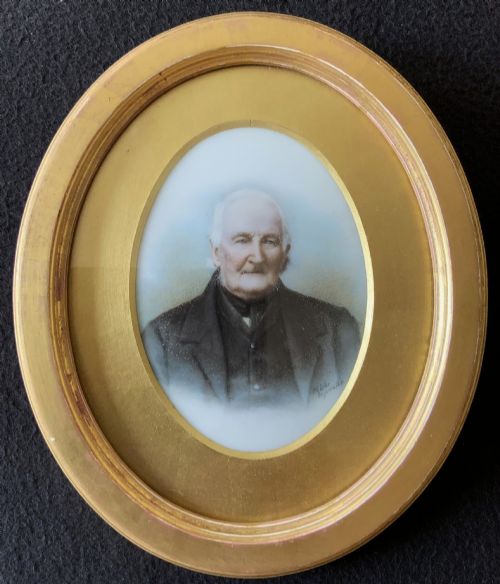
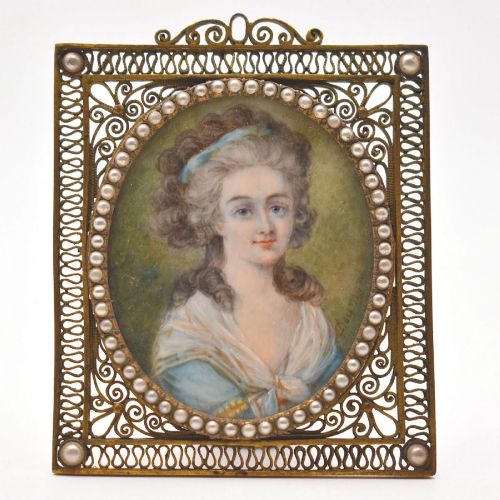
Portrait miniatures dominate the selection, often featuring delicate watercolour or oil renderings housed in gilt frames. Alongside these, decorative plaques and coastal oil paintings demonstrate the versatility of artists working on a miniature scale.
How they were made
Artists painted these works using fine brushes on prepared surfaces such as copper, wood panels, glass, and paper. The application of oil paint or watercolour required immense precision to achieve likeness and depth within a space measuring only a few centimetres.
Carved pieces such as netsuke utilise materials like cherry amber, shaped and polished to accentuate natural grain and texture. Frames often incorporate gilt wood or seed pearl ornamentation, matching the craftsmanship of the miniature art contained within.
Signed Art Miniature Retail Price Guide 2026
Typical asking prices for signed art miniature among the pieces listed under this phrase on Sellingantiques today, from the lower quarter to the upper quarter. They describe what is for sale here now, not the wider market.
Charles Phillips and Martin Luther rub shoulders here, immortalised by artists who must have worked with superhuman patience and very tiny brushes.
What varies in quality
The finesse of the brushwork or carving dictates the distinction between standard and exceptional pieces. Superior examples display acute facial expression, balanced composition, and secure handling of pigment or material across a restricted surface.
The integrity of the original frame and mounting contributes significantly to the overall merit of the piece. Works retaining their contemporary glass, backing, and signed inscriptions hold greater documentary value for collectors.
R.D. Roberts·J Bizo·Fernando Del Basso·Thomas Woolnoth·Del Buono·H. Desprez·John Scougall·Sir Peter Lely
The Signed Art Miniature Glossary
- Netsuke
- A small carved toggle traditionally used in Japanese attire to secure a purse or pouch. These items display intricate miniature sculpture often signed by the carver.
- Oil on copper
- A technique where artists paint directly onto a prepared copper sheet. This smooth metal base provides exceptional durability and luminosity for miniature works.
- Portrait miniature
- A small painted likeness created during the seventeenth, eighteenth, and nineteenth centuries. They were frequently kept as personal mementoes or worn as jewellery.
- Porcelain plaque
- A flat ceramic panel fired with painted enamel decoration. These plaques were often mounted inside carved frames for display.
Signed Art Miniature: Frequently Asked Questions
How were miniature portraits displayed?
Miniature portraits were frequently hung in small groups on walls or kept in specialised display cases to protect their delicate surfaces from direct sunlight.
Owners also carried certain smaller examples during travel, housing them in protective leather cases or lockets.
What subjects appear in these miniatures?
Subjects range from detailed human portraits and historical figures to floral still lifes and coastal boat scenes. Carved animal figures also form part of the selection.
Artists occasionally reproduced larger religious or political works on a reduced scale for private study.
How do I identify a signature?
Signatures often appear discretely in the lower corners of painted works, inscribed directly onto the pigment or copper panel. Reverse inscriptions also occur on historical pieces.
A magnifying glass helps examine faint ink or scratched monograms without damaging the surrounding material.
Are frames original to the pieces?
Many pieces retain their period gilt wood or moulded frames, which complement the scale of the artwork. Some items have undergone reframing in subsequent eras.
Checking the reverse of the frame often reveals old labels, inscriptions, or seals relating to previous owners or dealers.