


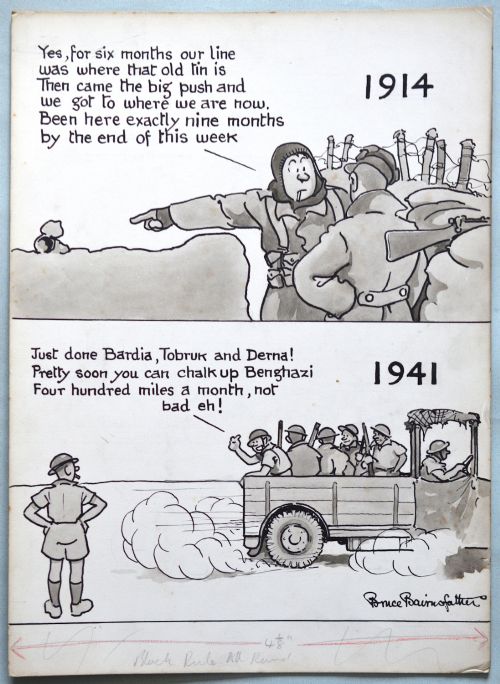
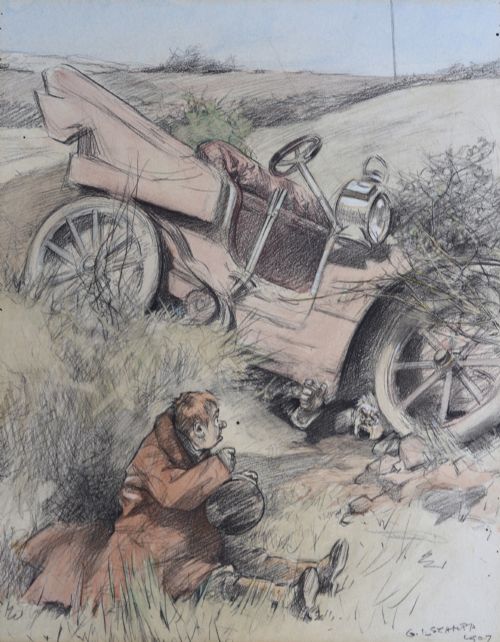
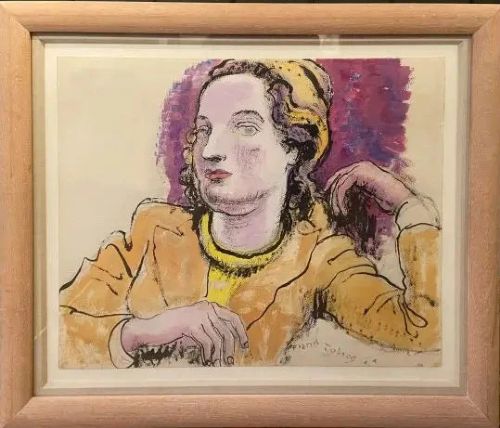
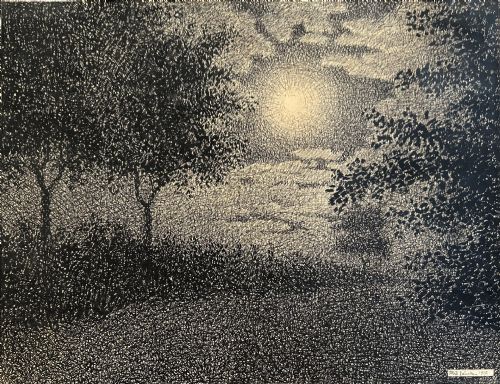
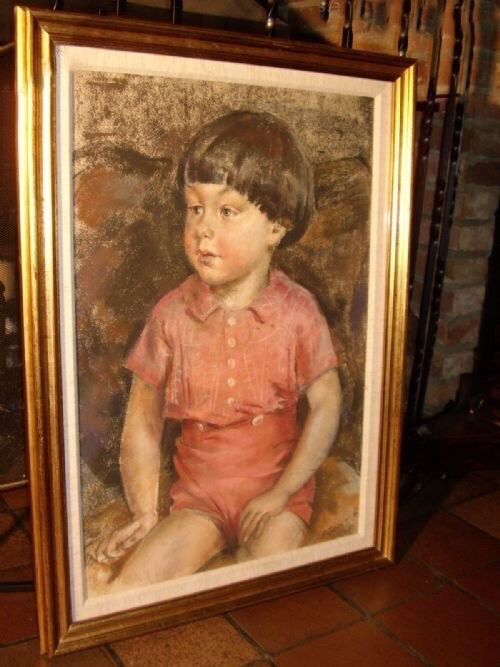
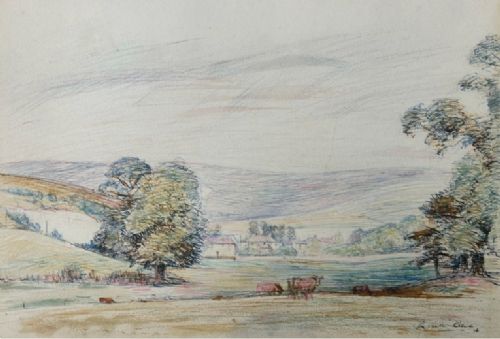
Signed Art Drawing
Signed art drawing brings together original works on paper spanning from Victorian portraiture to mid-century modern abstraction.
Signed Art Drawing
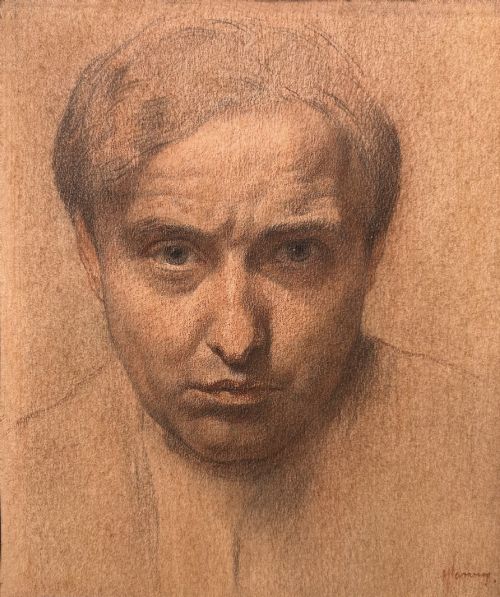
A signed art drawing represents a direct connection to the hand of the artist, captured through mediums such as graphite, ink, and watercolour. These works range from quick preparatory sketches and academic life studies to finished framed watercolours and pastels.
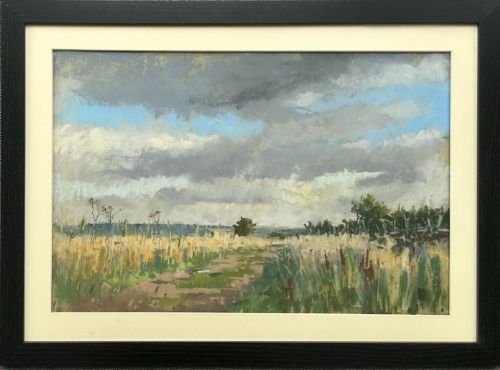
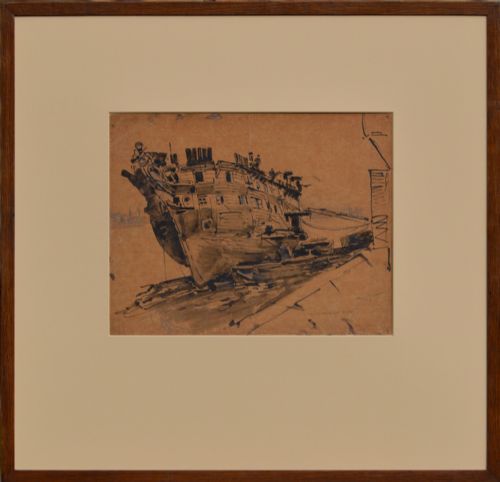
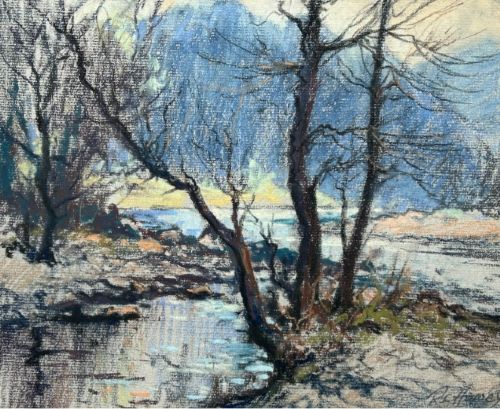
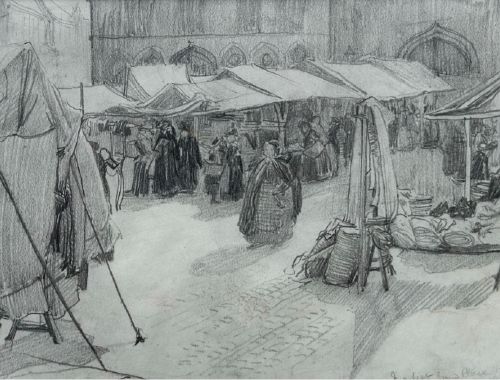
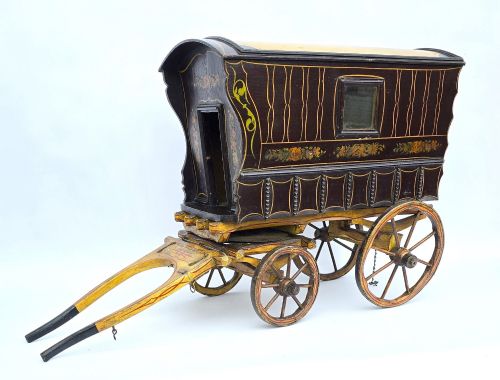
Buyers searching this phrase encounter diverse forms, including landscapes, architectural studies, animal portraits, and figurative compositions. Pieces span multiple periods, with strong representation from the nineteenth century through the mid-twentieth century.
The selection includes works by notable figures alongside pieces from twentieth-century schools and unidentified makers. Framed artwork dominates the offerings, preserving fragile paper surfaces behind glass.
Materials and execution
Artists on these pages utilised paper supports, ranging from plain sheets to coloured paper and card. Media applied to these surfaces include graphite pencils, charcoal, pen and ink, and coloured chalks.
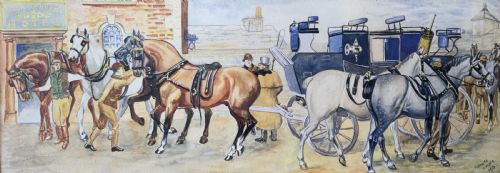
Watercolour and gouache introduce pigment and wash techniques, frequently layered over pencil outlines. Pastels and oil pastels provide denser, blended colour fields on paper or card.
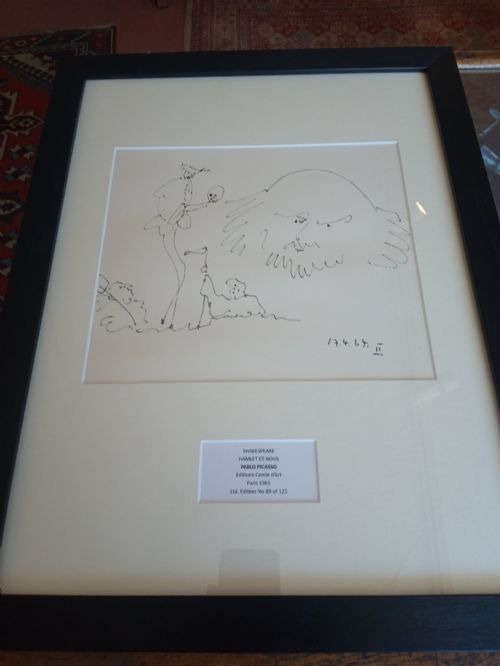
Many works retain original framing in wood, sometimes accompanied by glass protection and backing boards that record historical framing labels.
Signed Art Drawing Retail Price Guide 2026
Typical asking prices for signed art drawing among the pieces listed under this phrase on Sellingantiques today, from the lower quarter to the upper quarter. They describe what is for sale here now, not the wider market.
Subject matter ranges from botanical still life and domestic animals to architectural studies and academic human figures.
Factors determining quality
The strength of the draftsmanship and the confidence of the line work set superior examples apart from standard studies. A master hand conveys form, movement, and expression with minimal hesitation.
Condition and preservation of the paper support influence the standing of a piece, particularly regarding foxing, discolouration, and fading of watercolours. Intact framing and clear signatures or documentation add provenance value.
Compositional ambition shifts simple observational exercises into significant works of art. Finished landscapes and complex figurative groupings command greater attention than minor marginal sketches.
George Lorain Stampa·Bruce Bairnsfather·Frank Dobson·Dame Laura Knight·John Rattenbury Skeaping·Dame Elisabeth Frink·Lucien Freud·Lawrence Stephen Lowry
The Signed Art Drawing Glossary
- Graphite drawing
- A monochrome work executed with pencil, allowing for fine detail and subtle tonal shading.
- Watercolour painting
- A medium utilising water-soluble pigments applied to paper, producing transparent washes of colour.
- Gouache
- An opaque water-based paint that provides solid areas of colour and highlights when combined with watercolour.
- Pastel
- A dry drawing medium composed of powdered pigment and a binder, offering rich, velvety colour application.
- Academic life study
- A detailed drawing of a human model, produced within a structured training environment to master anatomy.
Signed Art Drawing: Frequently Asked Questions
How do I store antique drawings?
Keep works on paper away from direct sunlight to prevent the fading of inks and watercolours. Maintain stable humidity levels to protect fragile paper supports from moisture damage.
Ensure pieces remain behind protective glazing, ideally using acid-free mounts and backing materials if framing is updated.
What is the difference between a sketch and a study?
A sketch is typically a quick, spontaneous recording of an idea or scene, executed rapidly to capture movement or composition. Studies are more deliberate exercises, often focusing closely on a specific figure, anatomy, or lighting effect.
Both serve as preparatory steps or standalone works depending on the artist's intent.
How do I identify the period of a drawing?
Examine the paper type, watermark, and framing style for clues regarding age. Stylistic markers, clothing fashions in portraits, and handwriting on signatures or inscriptions also indicate the era.
Comparative analysis with documented works by the same artist helps confirm the timeline.
Are all signatures genuine?
Signatures vary in form, from initials and monograms to full signatures applied at the time of creation or added later by the artist. Comparing the signature style against known examples from the same period aids authenticity checks.
Documentation such as exhibition labels or gallery stamps often supports the attribution.