


Signed 19th Century Artwork
Signed 19th century artwork brings the verified hand of a Victorian painter or draughtsman directly into a room.
Signed 19th Century Artwork
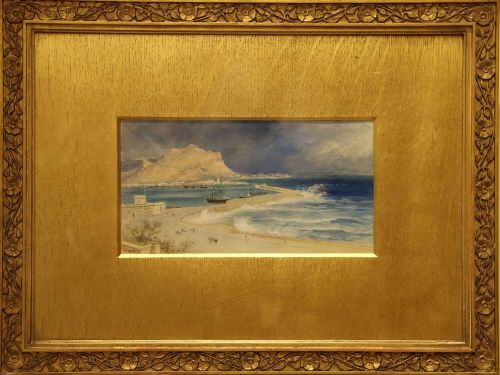
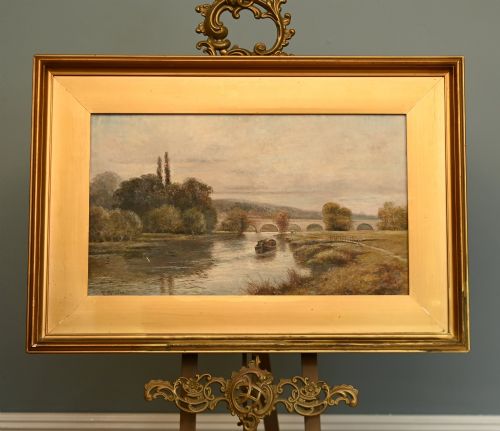
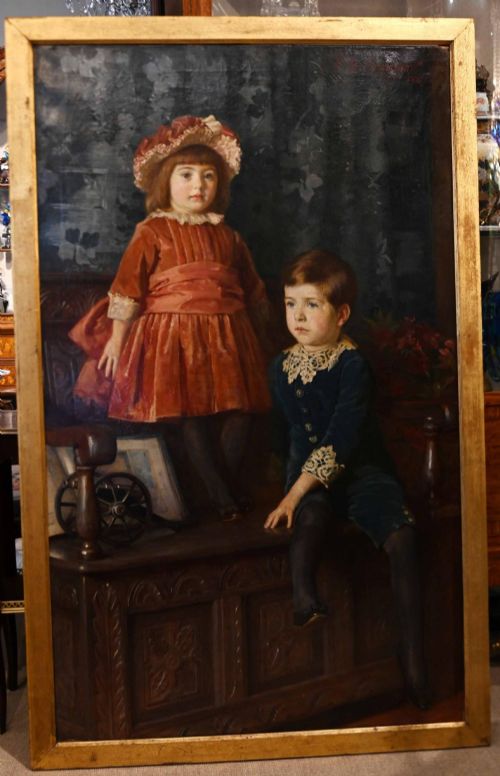
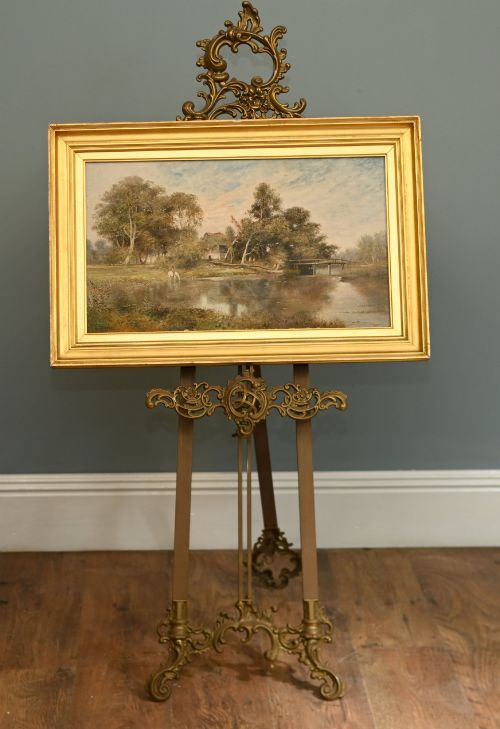
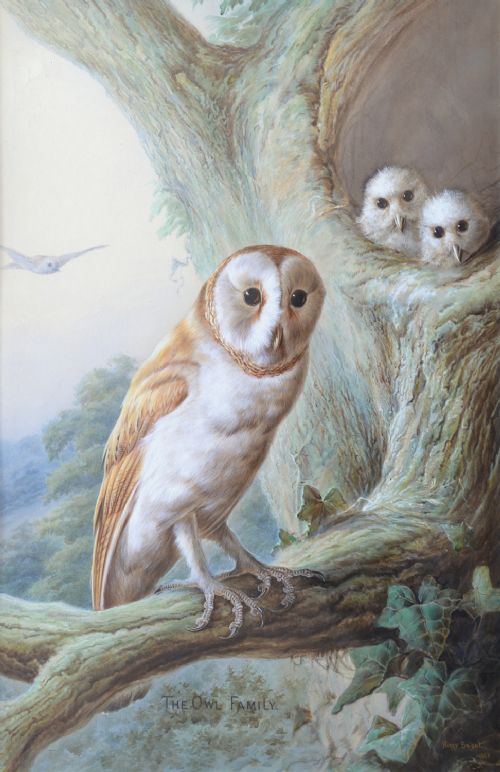
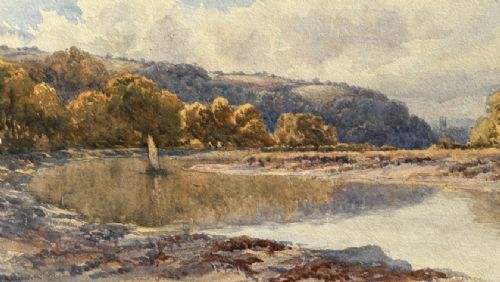
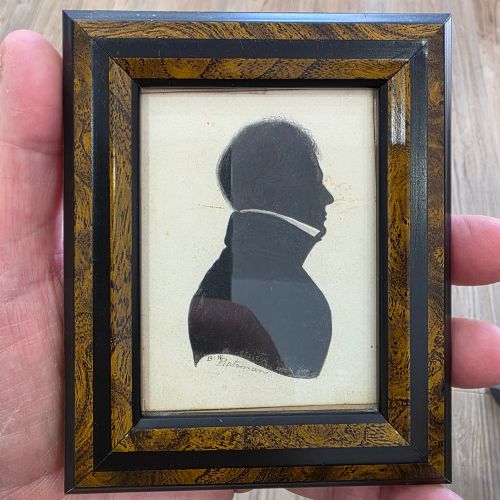
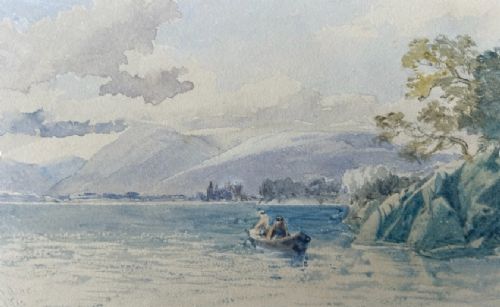
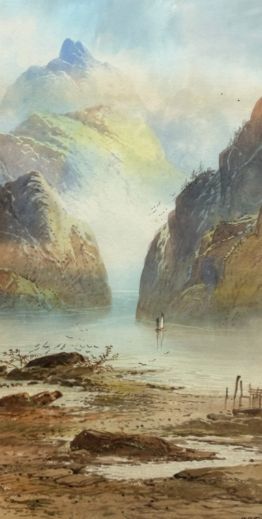
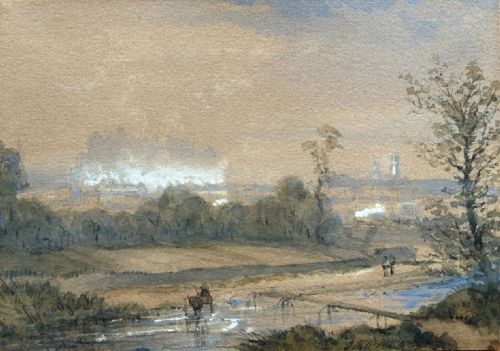
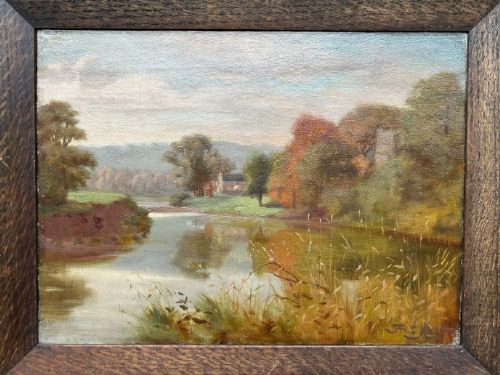
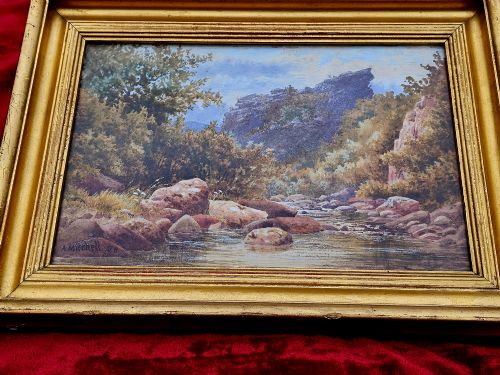
When you search for signed 19th century artwork, you encounter original paintings, watercolours, and drawings bearing the authentic mark of their creator. The selection spans distinct Victorian genres, including Scottish and English landscapes, maritime scenes, and detailed portraits of gentlemen and society ladies.
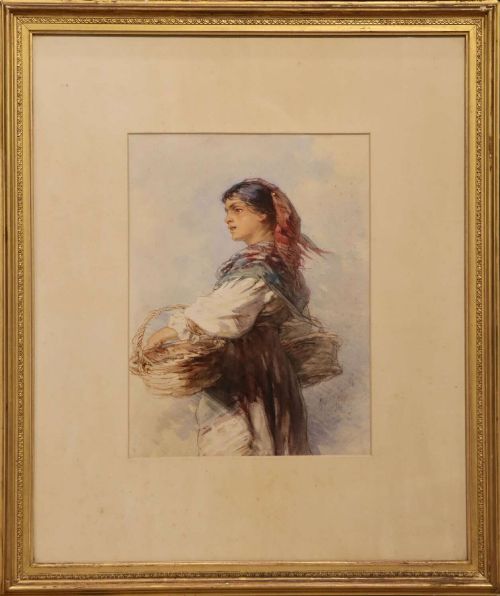
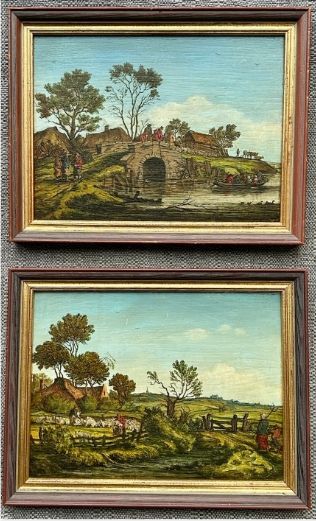
Most pieces you meet on this page originate from British, French, Flemish, and Italian schools across the Victorian era and the broader nineteenth century. You will find framed watercolours on paper, oil paintings on canvas and wood panels, and charcoal or pencil drawings bearing signatures, monograms, or studio attributions.
Materials and methods behind the surface
Artists of this period built their works on stretched canvas, seasoned wood panels, and heavy drawing papers or vellum. Pigments were bound in oil or water and applied with brushes, pencils, or charcoal to capture light on landscapes and textures in portraits.
Many works incorporate gilt frames that complement the period aesthetic, while miniatures and delicate watercolours often employ glass protection over paper or silk substrates.
A solitary rosella parrot gazes out from its nineteenth-century watercolour perch, sharing space with stern Victorian gentlemen and racing yachts.
Distinctions across the range
Quality in these pieces rests upon the surety of the draughtsmanship, the handling of light within landscapes, and the expressiveness achieved in portrait subjects. A master hand reveals itself in the confident brushstrokes of a rough sea or the subtle tones of a woodland sunset.
The preservation of the original medium - whether oil, watercolour, or etching - determines the visual integrity of the piece, alongside the harmony and condition of the accompanying period framing.
Guido Bach·George Fotherly Hargitt·Thomas Miles Richardson Jnr·James Orrock·William Henry Earp·John R Prentice·Frederick Marriott·Alfred Fontville de Breanski Jr·William Banks Fortescue·Stephen Samuel Lewin·John Rose Miles·Vittorio Reggianini·Thomas W Lascelles·Vincent Clare·R Hurst·Bernard Benedict Hemy·Herbert Dicksee·T Bergman·John Emms·William George Tennick·William Frederick Settle·H Bayly
The Signed 19th Century Artwork Glossary
- Watercolour
- A painting method where fine pigment is suspended in a water-soluble binder and applied to paper. It allows for translucent washes and delicate detail.
- Monogram
- A motif made by overlapping or combining two or more letters to form a single symbol. Artists frequently used these initials instead of a full signature.
- Vellum
- A fine parchment prepared from the skin of a calf or other animal. It provides a smooth, durable surface for detailed etchings and drawings.
- Giltwood
- Wood that has been coated with a thin layer of gold leaf or gilt paint. Frames finished this way are typical of Victorian fine art presentation.
- Provincial school
- A regional grouping of artists working outside major metropolitan centres. These works often reflect local landscapes and domestic traditions.
Signed 19th Century Artwork: Frequently Asked Questions
How do I identify a Victorian watercolour?
Victorian watercolours typically employ paper substrates bearing period watermarks and are executed in transparent washes or opaque bodycolour. They frequently depict traditional British landscapes, coastal scenes, or domestic figures.
Signatures or monograms often appear in the lower corners, sometimes accompanied by a date that confirms the mid to late nineteenth-century origin.
What is an artist proof etching?
An artist proof is an impression of an etching taken to test the plate during the creation process, retained by the artist outside the main commercial edition. These prints demonstrate exceptional clarity and are prized for their direct association with the printmaker.
In nineteenth-century examples, they often bear pencil signatures and specific limitation details on vellum or heavy paper.
How should I display oil paintings on wood panels?
Oil paintings on wood panels require stable environmental conditions free from rapid fluctuations in humidity and temperature. These precautions prevent the timber from warping and protect the paint layer from cracking.
Display them away from direct sunlight and heating sources, ensuring the reverse remains unblocked to allow the panel to breathe naturally.
What distinguishes academic life studies?
Academic life studies were produced by artists training within formal nineteenth-century art academies, focusing on the careful rendering of the human form from life. These graphite or charcoal drawings emphasise anatomical accuracy, shading, and proportion.
They offer a direct view into the rigorous foundational training required of painters before they worked on finished canvas compositions.