



Sheraton Style Tier Table
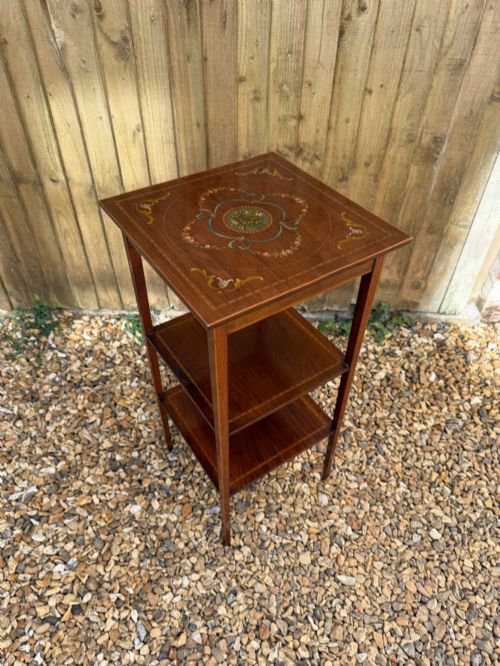
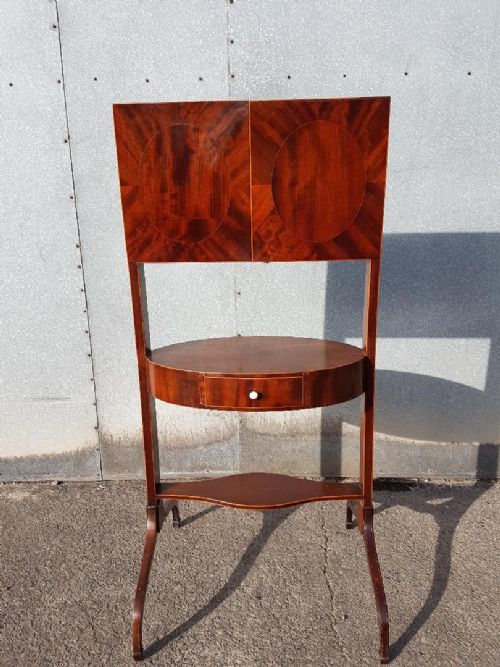
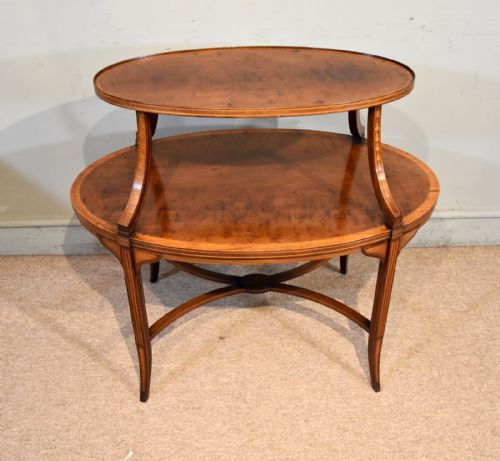
These sheraton style tier table pieces bring neoclassical refinement to a room through stacked surfaces and fine timber.
Sheraton Style Tier Table
A sheraton style tier table brings lightness and utility to a room through stacked surfaces, slender supports, and neoclassical lines. These occasional pieces trace their lineage to late eighteenth-century designs, though the examples on this page predominantly date from the nineteenth and early twentieth centuries. You will frequently encounter tiered etageres and occasional tables that reflect Edwardian revivalism and Victorian craftsmanship.
The forms vary from simple oval and kidney-shaped occasional surfaces to multi-tiered etageres and nests of tables. Many pieces incorporate subtle curves and graduated platforms designed for display or serving. Makers of the revival periods drew directly upon earlier Georgian precedents to create adaptable furniture for domestic interiors.
How they were made
Cabinetmakers constructed these pieces primarily using solid timber and veneers of mahogany and satinwood, frequently enhanced by contrasting boxwood inlay and marquetry. Brass fittings appear on select hardware, while painted finishes decorate specific etageres and side tables from the later periods. The structural integrity relies upon precise joinery to support multiple levels without excess bulk.
Surface decoration relies on finely cut stringing and geometric boxwood inlay set into rich mahogany grounds. Painted surfaces introduce delicate neoclassical motifs directly onto satinwood or timber panels. Every technique serves the aesthetic goal of perceived lightness, biding true to the neoclassical principles of the style.
Sheraton Style Tier Table Retail Price Guide 2026
Typical asking prices for sheraton style tier table among the pieces listed under this phrase on Sellingantiques today, from the lower quarter to the upper quarter. They describe what is for sale here now, not the wider market.
Early makers ensured afternoon tea survived minor domestic collisions by inventing the multi-tiered etagere.
What varies in quality
The distinction between ordinary and superior pieces rests upon the precision of the inlay work and the selection of the timber. Dense, well-figured mahogany and carefully matched satinwood veneers elevate a piece significantly above plain timber constructions. Sharpness in the boxwood stringing and the crisp execution of marquetry indicate a higher level of workshop skill.
Proportion and structural grace also dictate the standing of a table. Superior examples maintain a balanced silhouette across multiple tiers without heavy joints or clumsy supports. The subtlety of painted decoration, where present, separates standard commercial output from finer revival pieces.
The Sheraton Style Tier Table Glossary
- Étagère
- A piece of furniture consisting of a set of open shelves for displaying small objects. These tiers are supported by slender columns or uprights.
- Marquetry
- Decorative woodwork where pieces of veneer are fitted into a ground to form ornamental patterns. This technique frequently employs contrasting timbers such as satinwood and boxwood.
- Satinwood
- A durable, yellowish wood prized for its lustrous finish and smooth grain. It is often used for veneers and decorative panels on late nineteenth and early twentieth-century tables.
- Stringing
- Thin strips of contrasting wood inlaid into channels cut into the surface of a piece. It forms delicate borders around table tops and panel edges.
- Quarteto
- A set of four small tables designed to slide one beneath another. They typically share a uniform style and graduated dimensions.
Sheraton Style Tier Table: Frequently Asked Questions
How do I date a table?
Dating relies on examining the timber species, construction methods, and stylistic cues present in the piece. Pieces from the Georgian era possess different structural characteristics compared to Edwardian Sheraton Revival examples.
Secondary woods, finish types, and the complexity of the inlay work further help establish the manufacturing period, ranging from the nineteenth century into the early twentieth.
Where do I place one?
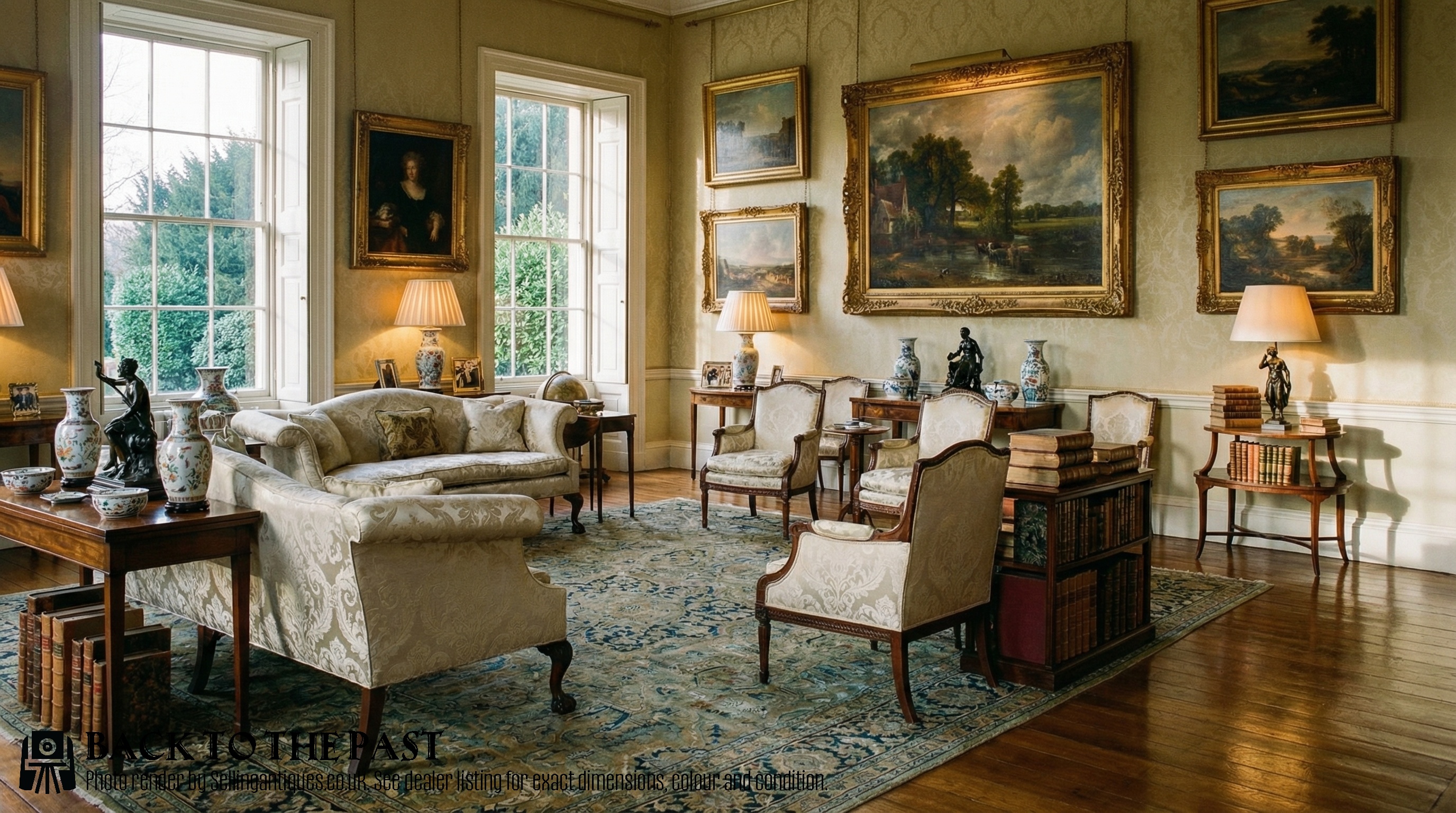
These tables suit sitting rooms, bedrooms, or hallways as accent pieces. Their open tiered structure prevents them from feeling heavy in smaller spaces.
Use them beside seating to hold lighting or display decorative objects where surface area is needed without visual clutter.
What distinguishes Sheraton style?
Sheraton style draws on classical antiquity with straight tapered legs, contrasting stringing, and balanced geometric forms. It prioritizes elegance and proportion over heavy ornamentation.
Revival pieces from the Victorian and Edwardian periods closely imitated these eighteenth-century aesthetic principles, utilising lighter timbers and refined inlay.