
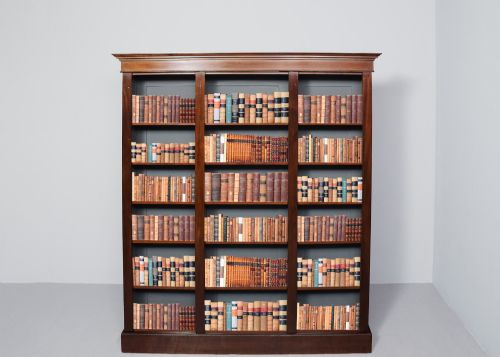
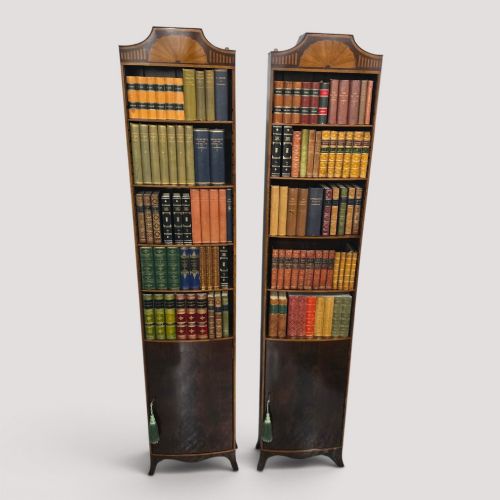

Sheraton Bookcase
When you search for a sheraton bookcase, you enter a world of refined mahogany, delicate satinwood inlay and classical proportion.
Sheraton Bookcase
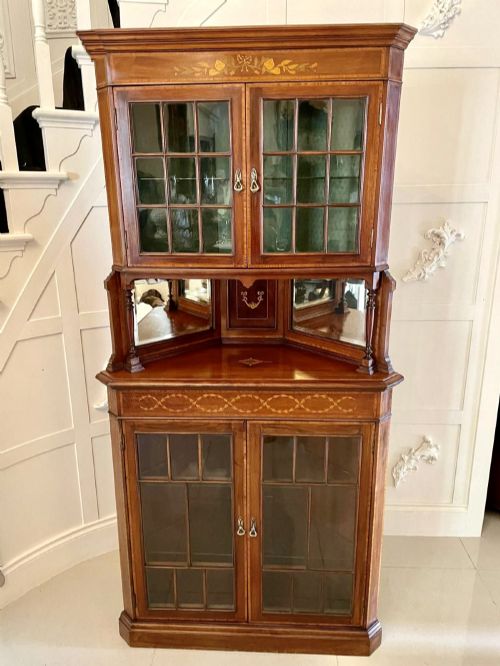
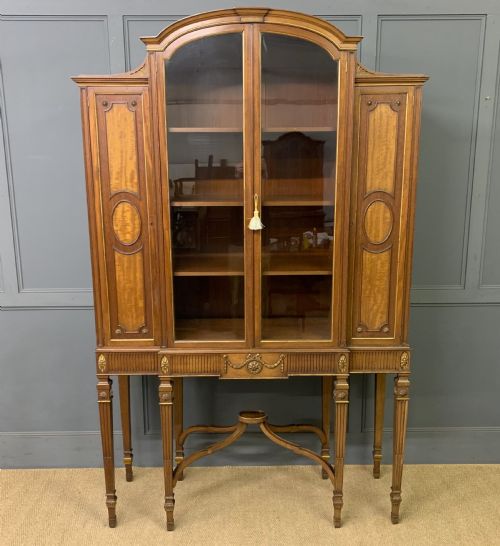
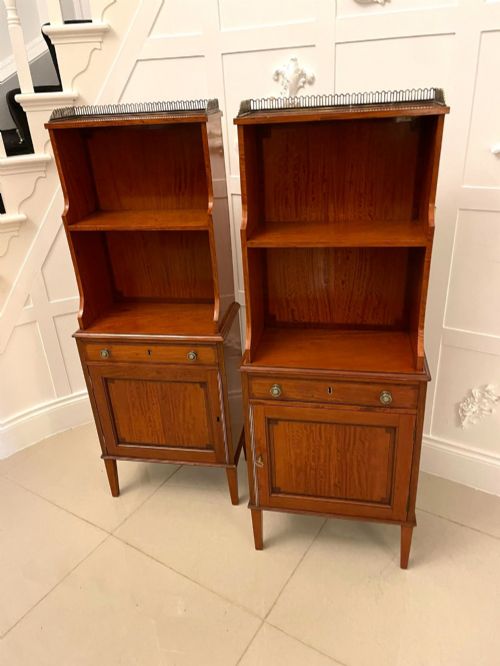
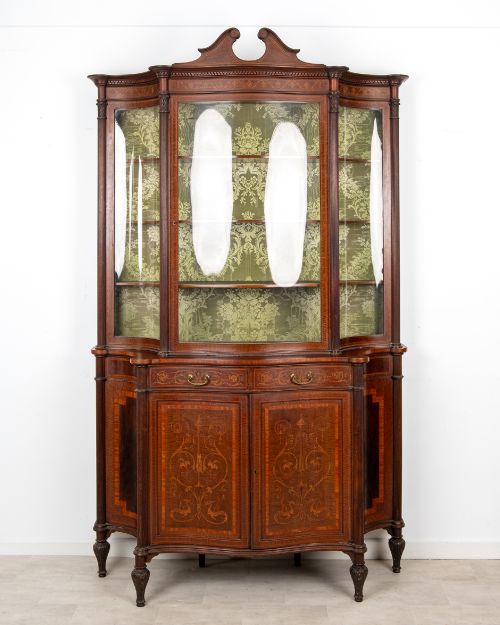
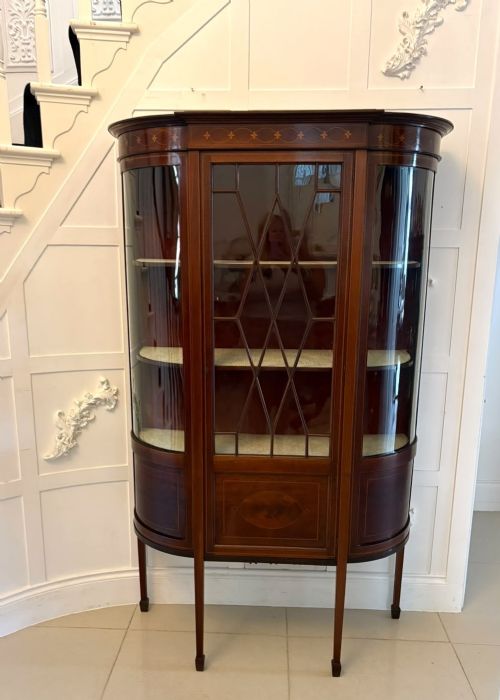
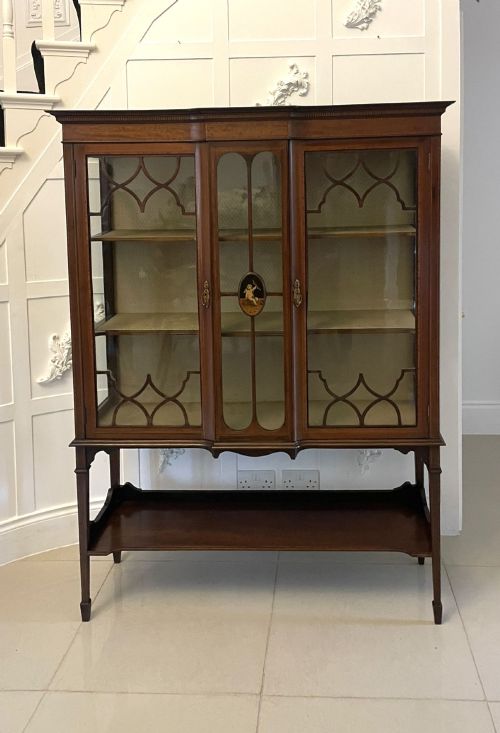
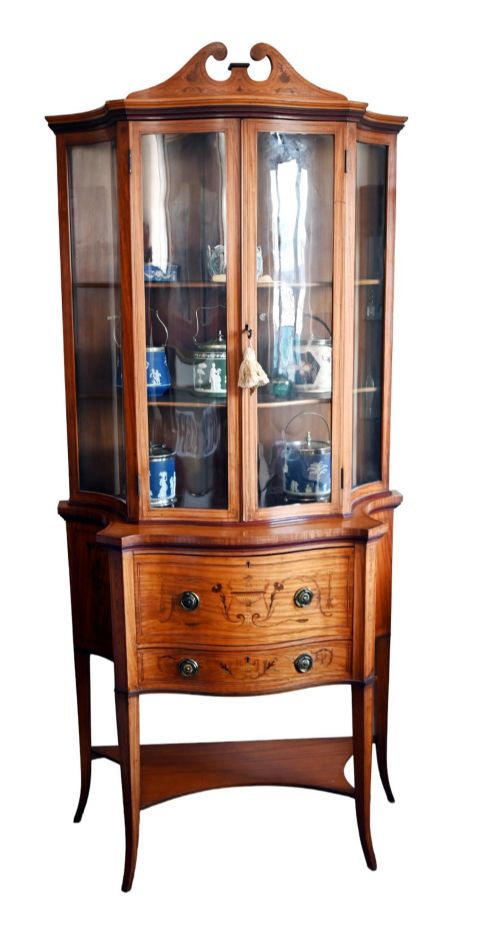
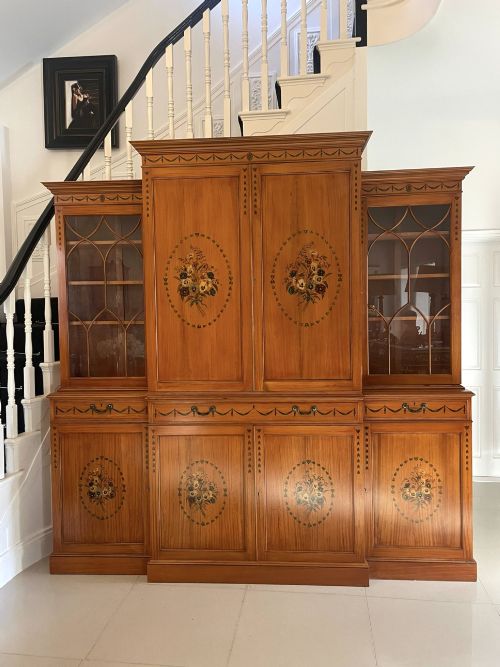
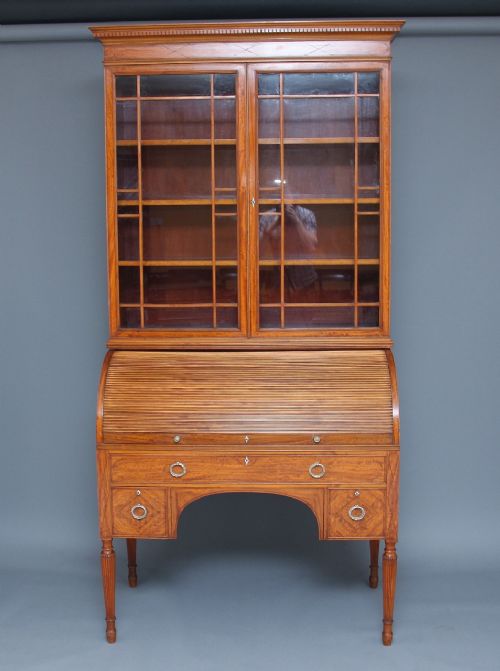
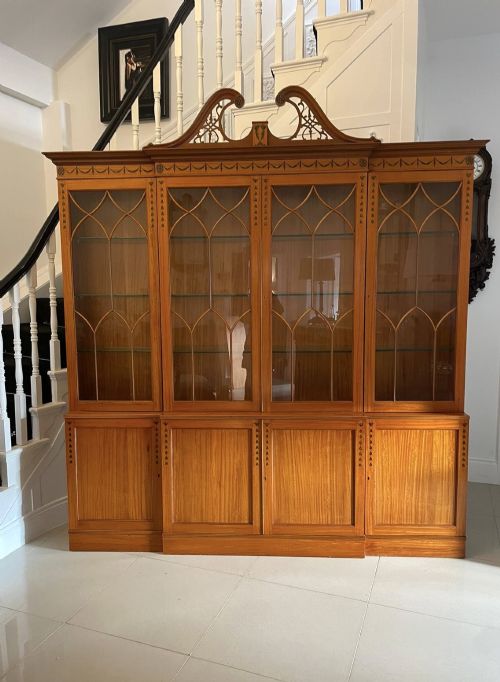
A sheraton bookcase embodies the light, elegant geometry associated with the late eighteenth century and its later revivals. These pieces range from towering breakfront display cabinets and bureau bookcases fitted with writing drawers to compact revolving bookcases and open shelves designed for practical display.
The versions most frequently met on this page date from the Edwardian period and the late nineteenth century, reflecting a strong Victorian and Edwardian appetite for Sheraton Revival design. Makers of this later era adopted the slender proportions, astragal glazing and neoclassical motifs of the original George III period.
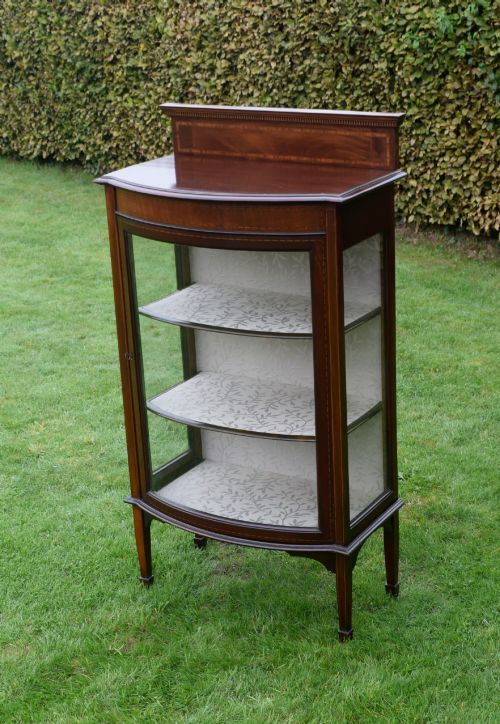
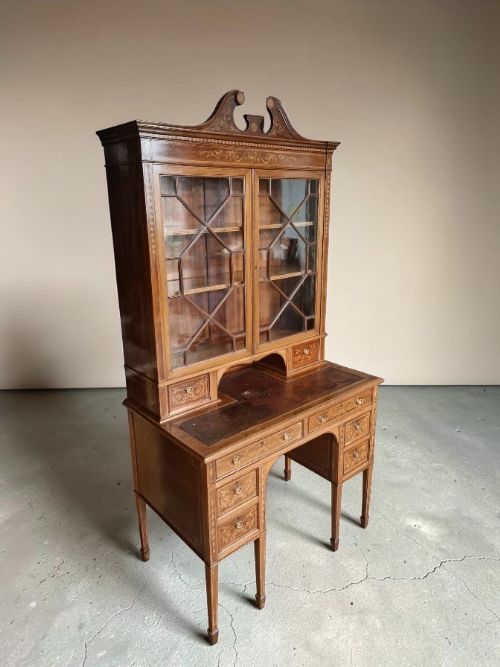
Alongside dedicated bookcases, the selection encompasses related forms such as display cabinets, corner cabinets and writing cabinets sharing the same vocabulary of inlay and fine timber. Each piece balances utility with decorative restraint, providing structured storage for books and display space for treasured objects.
Craft and materials
Makers relied primarily on mahogany and satinwood as foundational timbers, often selecting figured grain for drawer fronts and door panels. These woods provided a stable, responsive canvas for complex decorative schemes.
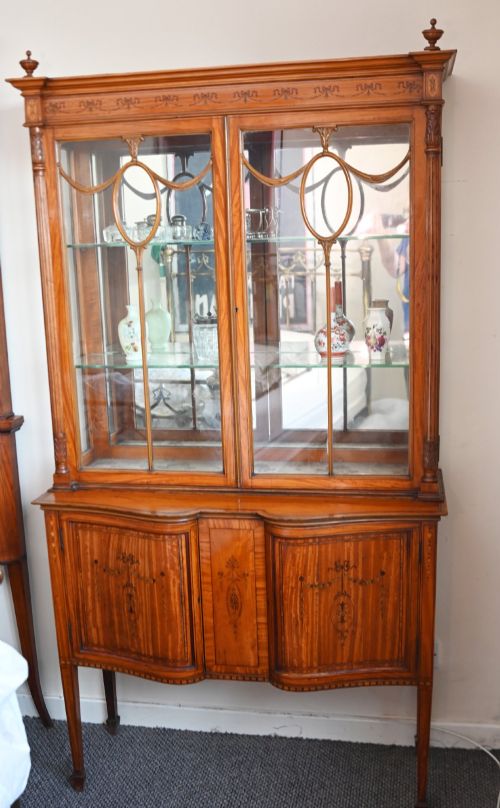
Surface ornament was achieved through detailed wood inlay, marquetry and contrasting banding using rosewood or sabicu. Artisans also applied hand-painted decoration and original painted panels, combining botanical and neoclassical motifs directly onto the wood.
Glazing took the form of delicate astragal bars dividing glass panes into geometric patterns, while structural hardware incorporated brass handles and escutcheons to complement the pale tones of satinwood and the rich warmth of mahogany.
Revolving bookcases allow a small library to spin gracefully at a finger's touch, proving that Georgian engineers understood the joy of motion.
Variations in execution
The distinction between ordinary and exceptional examples rests upon the precision of the cabinetwork and the crispness of the inlay. Finer pieces display seamless mitres, perfectly fitted drawers and meticulously matched timber grains across prominent surfaces.
Decorative ambition further separates tiers of quality, with superior pieces featuring hand-painted panels, complex astragal glazing bars and substantial proportions such as breakfront cornices. Lesser examples rely on simpler mechanical banding and straightforward rectilinear forms without bespoke detailing.
Hampton & Sons·Edwards & Roberts·Maple & Co
The Sheraton Bookcase Glossary
- Astragal
- A moulding profile, often used in cabinetry to describe the slender wooden bars that divide glass panes in a bookcase door. These delicate divisions form geometric patterns typical of neoclassical design.
- Satinwood
- A lustrous, hard timber native to Ceylon and the West Indies, prized for its golden-yellow sheen and smooth texture. It serves as the primary veneer or solid wood for high-status eighteenth-century and revival pieces.
- Marquetry
- The art of applying pieces of veneer to a structural panel to form decorative patterns and pictorial scenes. Craftsmen utilise contrasting woods to create intricate floral or classical motifs.
- Secretaire
- A cabinet or bookcase incorporating a pull-down writing drawer fitted with small pigeonholes and hidden compartments. This dual-purpose furniture piece conceals a writing desk behind a drawer front.
- Breakfront
- A cabinet design where the central section projects forward from the flanking wings. This architectural arrangement adds depth and visual rhythm to large bookcases and display cabinets.
Sheraton Bookcase: Frequently Asked Questions
How do I date a sheraton bookcase?
Dating relies on examining construction methods, secondary timbers, and the character of the inlay. Eighteenth-century originals show hand-cut dovetails and distinct timber ageing, whereas nineteenth-century and Edwardian revivals often exhibit machine-prepared elements alongside period style markers.
Makers' stamps, trade labels and specific revival markers such as Edwardian retailer signatures provide further chronological clues. Comparing the secondary woods inside drawers against known period standards helps confirm whether a piece is an eighteenth-century original or a later revival.
What is the difference between original and revival pieces?
Eighteenth-century pieces date from the era of George Sheraton and carry the inherent wear and construction characteristics of that specific period. Revival pieces were manufactured a century later during the Victorian and Edwardian eras, replicating the earlier aesthetic using contemporary nineteenth-century workshop techniques.
While both share stylistic traits like satinwood inlay and classical proportions, revival pieces often incorporate standardisation typical of later cabinetmaking firms. Understanding this distinction helps collectors appreciate the historical context and manufacturing techniques behind each specific piece.
Where should I place a satinwood bookcase?
Satinwood furniture benefits from placement away from direct sunlight and dramatic temperature fluctuations, which can fade pale timbers and dry out veneers. Positioning the bookcase in a stable, climate-controlled room preserves the delicate painted panels and polished surfaces.
Allowing sufficient clearance around doors and drawers ensures smooth daily operation without straining historic hinges. Proper placement protects both the structural integrity of the timber and the decorative integrity of the inlay.
How do I care for inlaid wood surfaces?
Maintenance involves dusting regularly with a soft, dry cloth and applying occasional coats of appropriate furniture wax to nourish the timber. Avoid using modern silicone sprays or abrasive cleaners, which can penetrate open grain and damage historical polishes.
Keeping humidity levels steady prevents the wood and its underlying veneers from warping or lifting away from the carcase. Gentle, consistent care maintains the natural lustre of mahogany and satinwood over generations.