
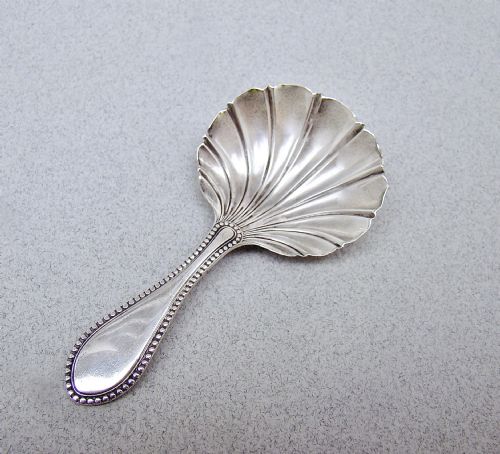
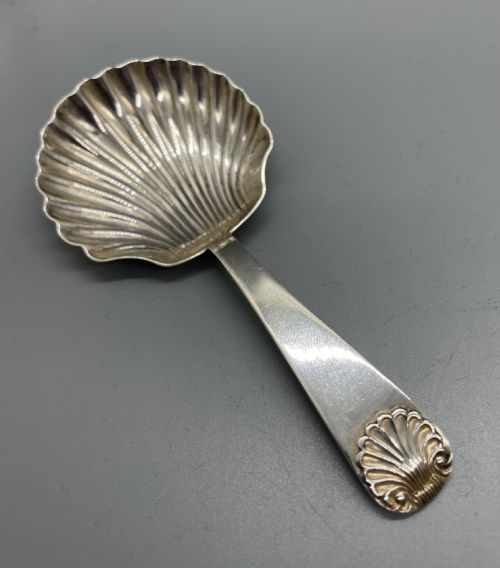
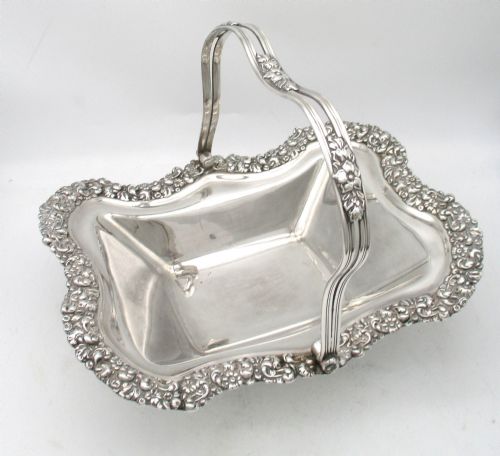
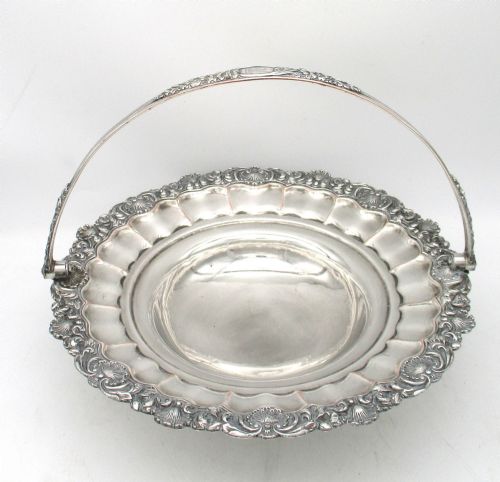

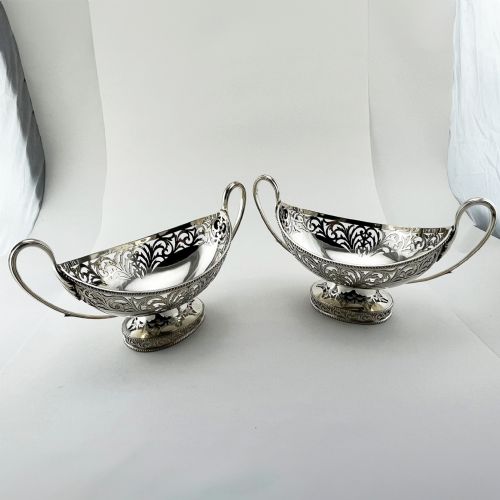


Sheffield Silver Bowl
A sheffield silver bowl brings centuries of British metalworking heritage to the table through fine craftsmanship and enduring forms.
Sheffield Silver Bowl
When searching for a sheffield silver bowl, buyers encounter a diverse selection of vessels spanning multiple centuries and stylistic periods. The pieces range from large punch bowls and fruit bowls to sugar bowls and rose bowls produced in the historic metalworking hub of Sheffield.
Solid sterling silver examples from the Victorian, Edwardian and Art Deco eras sit alongside earlier Old Sheffield Plate items created from copper fused with silver. Forms frequently feature intricate piercing, pedestal feet, handles and bright-cut engraving.
The objects served various domestic functions, from formal dining and tea service to decorative table centerpieces. Buyers commonly find Edwardian and George V sterling vessels or 19th-century silver-plated baskets and tureens.
How they were made
Makers utilised traditional techniques such as hand-piercing, chasing, spot-hammering and fusing silver to a copper core in Old Sheffield Plate. Craftsmen shaped sterling silver through hammering and spinning before applying decorative borders, cast handles and pedestal bases.
Surface ornamentation often involved intricate lattice work, jali fretwork, crests and bright-cut engraving executed by specialist silversmiths. Gold wash or gold gilt interiors occasionally appear inside sugar bowls and presentation pieces.
Fused plating techniques required melting a silver sheet onto a thick copper ingot, rolling them together under heat to create durable composite sheets for baskets and tureens.
Listings feature materials including sterling silver, copper, silver plate, Old Sheffield Plate, gold wash and gold gilt across multiple eras.
What varies in quality
The calibre of a sheffield silver bowl depends significantly on the weight of the metal and the crispness of the chased or pierced decoration. Thicker gauge silver and substantial copper cores in plated items provide greater structural rigidity and longevity.
The reputation of the workshop also influences the standing of a piece, with established firms employing skilled artisans for complex fretwork and balanced proportions. Hand-finished details such as delicate wirework or precise lattice patterns distinguish masterwork output from standard commercial production.
Martin Hall & Co·Thomas Bradbury·Walker & Hall·Hammond Creake & Co·William Hutton & Sons·Dan Holy·James Deakin·Harry Atkin·Joseph Rodgers & Sons·Viners of Sheffield·W Briggs·Fenton Brothers·Mappin & Webb·Marples & Co·Atkin Brothers·Harrison Brothers & Howson·Cooper Brothers·Maple & Co
The Sheffield Silver Bowl Glossary
- Old Sheffield Plate
- An early method of fusing a thin sheet of sterling silver to a thicker copper base. This technique preceded modern electroplating and leaves a characteristic copper seam visible on edges.
- Pierced work
- A decorative technique where metal is cut away to create intricate openwork patterns such as lattices or geometric frets. This method lightens the visual weight of large serving vessels.
- Rose bowl
- A specialised low bowl featuring a removable wire mesh lid known as a flower grid. The cover holds stems in place for floral arrangements.
- Bright-cut engraving
- A form of surface decoration created with faceted cutting tools that reflect light from angled trenches. It produces sparkling geometric or floral patterns on the silver.
- Pedestal bowl
- A vessel elevated on a raised circular or octagonal foot. This form lifts the display area above the surface of the dining table.
Sheffield Silver Bowl: Frequently Asked Questions
How do I clean a silver bowl?
Clean sterling silver bowls using a mild, non-abrasive silver polish and a soft microfiber cloth to remove tarnish safely. Avoid harsh chemical dips that can strip dark antiquing from engraved recesses.
For plated items, take extra care to prevent rubbing through the thin silver layer down to the underlying copper base. Wash gently in warm soapy water and dry thoroughly after polishing.
What is Old Sheffield Plate?
Old Sheffield Plate is a composite material made by fusing sterling silver to a copper ingot before rolling them into sheets. This technique was widely used before the invention of electroplating.
Items made this way often reveal subtle lines of copper along unplated rims or wear points, confirming their early nineteenth-century origins.
Can I use a antique bowl for food?
Many historical vessels were designed for dry goods like fruit, sugar, or bread rather than acidic foods. Bowls featuring gold gilt interiors handled items like preserves or sugar safely without tarnishing the silver directly.
Modern use with dry items is generally fine, but check for any old soldered repairs or liners before serving anything edible.
How do I identify the date?
British sterling pieces carry hallmark stamps indicating the assay office, date letter, and maker's mark. Sheffield hallmarks typically feature a crown symbol alongside specific letters that correspond to exact production years.
Plated or unmarked items rely on stylistic clues like Regency forms, Victorian aesthetic movement motifs, or Edwardian piercing styles to determine their era.