




Sheffield Plate Bowl
A sheffield plate bowl brings rich Georgian and Victorian character to a table, offering the lustre of silver fused to a warm copper core.
Sheffield Plate Bowl
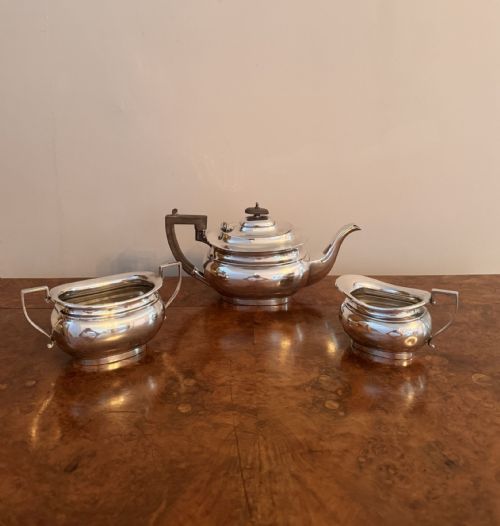
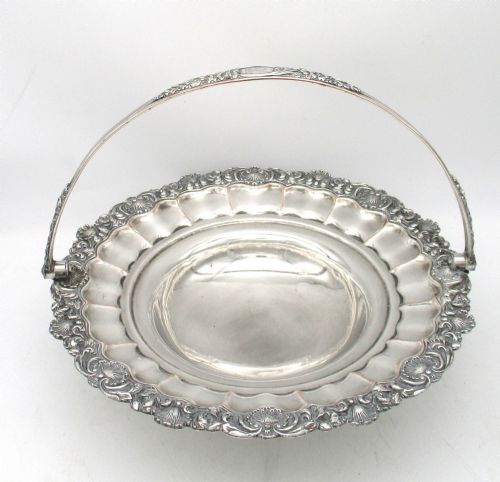
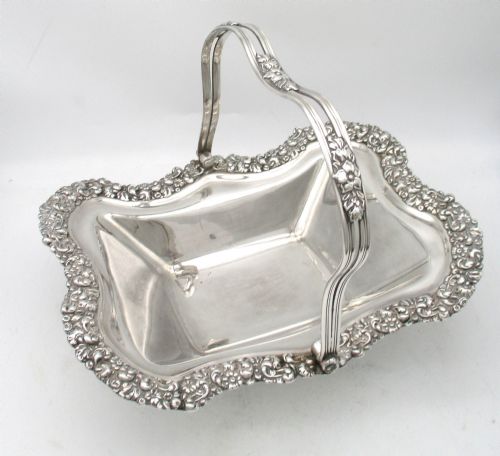
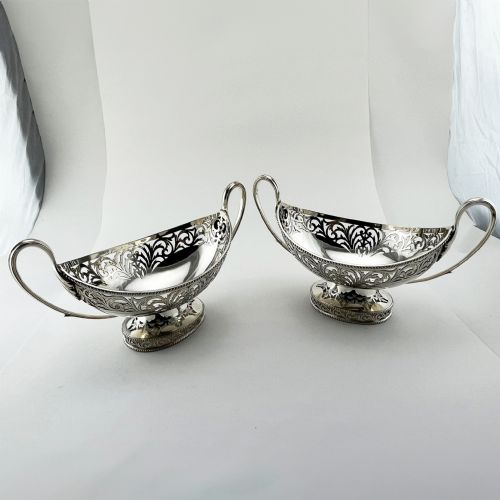
When searching for a sheffield plate bowl, collectors encounter various forms spanning the nineteenth century, including baskets, sugar bowls, and larger centrepieces. These items reflect traditional tableware traditions from Georgian, Regency, and Victorian periods.
The pieces on display range from simple wirework baskets to crested round bowls and substantial tureens. Most examples date from the 1800s, utilising the distinctive fusion of silver and copper characteristic of this craft.
Buyers will find both standalone vessels and matched components from tea sets or epergnes. Each object demonstrates the domestic utility and decorative metalwork typical of nineteenth-century dining.
Materials and construction
These items were produced by fusing a thin sheet of silver to a thicker base of copper, creating a durable composite material. This method allowed makers to achieve the appearance of solid silver while maintaining structural integrity.
Additional elements such as applied wirework, reeded handles, and engraved crests were incorporated to enhance the decorative appeal. The underlying copper often shows through where decades of polishing have worn the silver layer.
Sheffield Plate Bowl Retail Price Guide 2026
Typical asking prices for sheffield plate bowl among the pieces listed under this phrase on Sellingantiques today, from the lower quarter to the upper quarter. They describe what is for sale here now, not the wider market.
Assessing quality and craftsmanship
Quality in these pieces rests upon the crispness of the applied decoration, the elegance of the form, and the retention of the original silver layer over the copper. Superior examples maintain balanced proportions and sharp detailing on handles and borders.
The presence of crisp crests, well-defined wirework, and maker marks distinguishes finer productions from standard utilitarian wares. Wear to the silver plating reveals the warm copper beneath, which affects the visual balance of the piece.
Joseph Rodgers & Sons·Thomas Bradbury·Dan Holy·James Deakin
The Sheffield Plate Bowl Glossary
- Sheffield Plate
- A composite material made by fusing a sheet of silver onto a copper ingot, developed in the eighteenth century. This technique preceded modern electroplating methods.
- Old Sheffield Plate
- An authentic term applied to pieces manufactured using the traditional fusion method before the invention of electroplating. It distinguishes early fused wares from later silver plated items.
- Wirework
- Openwork construction formed from intertwined or soldered metal wires, frequently seen on baskets and fruit bowls. This technique creates a lighter, decorative vessel structure.
- Epergne
- A large ornamental centrepiece featuring a central bowl with multiple branching dishes for fruit or sweetmeats. These pieces dominated formal nineteenth-century dining tables.
- Crest
- An engraved or applied heraldic device denoting the family ownership of the piece. Such details provide provenance and personal history.
Sheffield Plate Bowl: Frequently Asked Questions
How do I clean a sheffield plate bowl?
Clean these items gently using a mild silver polish and a soft cloth to avoid damaging the thin silver layer. Excessive rubbing will expose the copper base underneath.
Store the bowl in a dry environment and avoid harsh chemical dips that strip the aged patina accumulated over the nineteenth century.
Is old sheffield plate different from electroplate?
Yes, old sheffield plate uses a physical fusion of hammered silver and copper sheets rather than an electrical chemical deposition. This creates a different weight and wear pattern.
Examination of the edges often reveals the sandwich effect where the copper core meets the outer silver layer.
How can I date a sheffield plate bowl?
Dating relies on stylistic clues such as Georgian wirework, Regency reeded handles, or Victorian ornamentation. Form and manufacturing techniques also indicate the production period.
Maker marks and engraved family crests further help narrow down the decade of creation during the 1800s.
Can I use these bowls for daily dining?
These vessels suit modern table use for serving dry foods or display purposes, provided they receive gentle care. Their historical nature requires mindful handling.
Avoid leaving acidic foods or liquids in the bowls for extended periods to protect the delicate antique surfaces.