

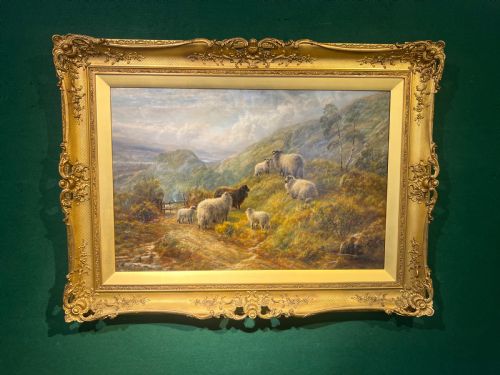
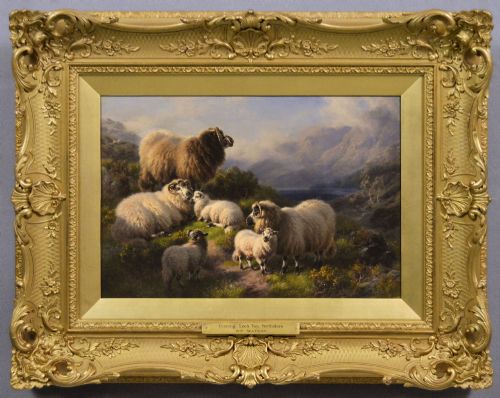
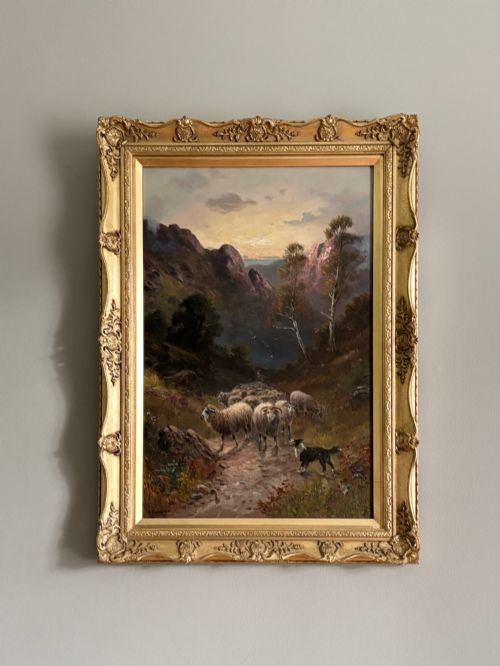
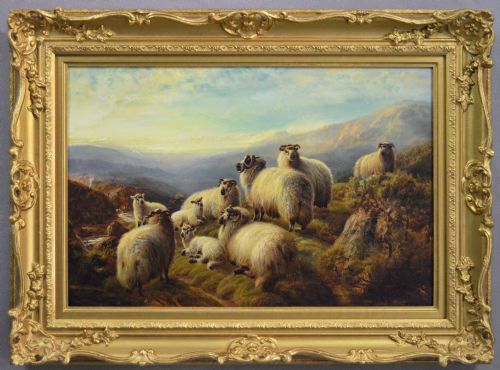


Sheep in Landscape Oil
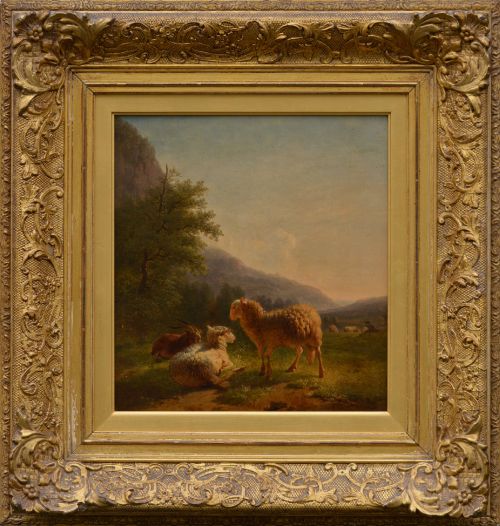
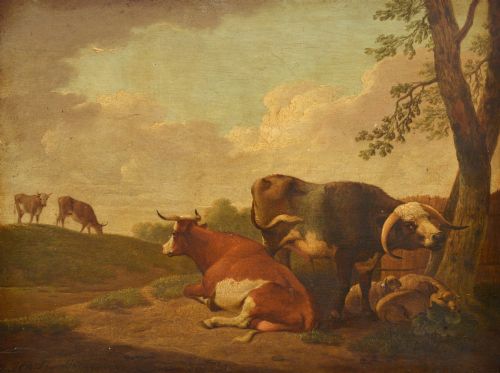
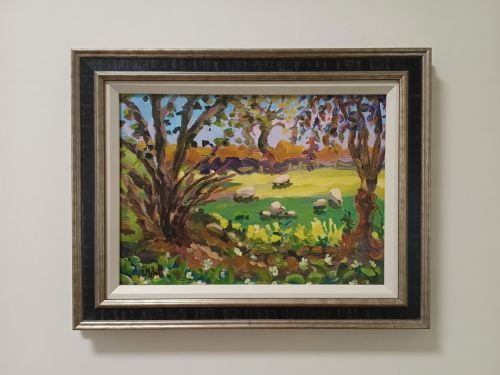
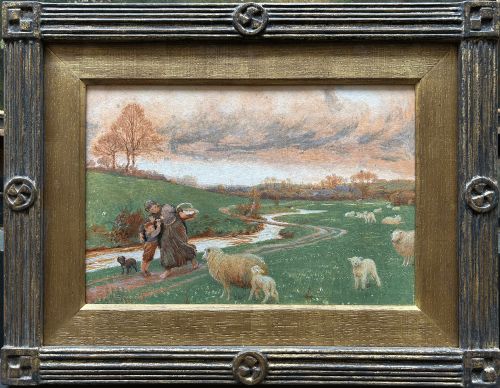
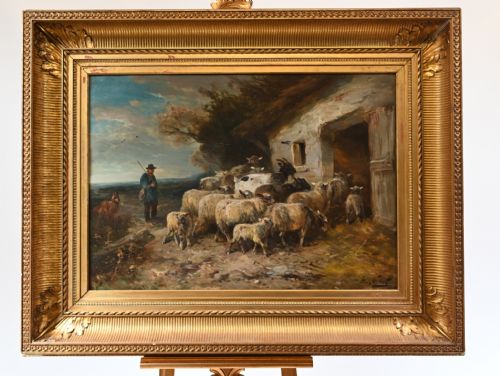
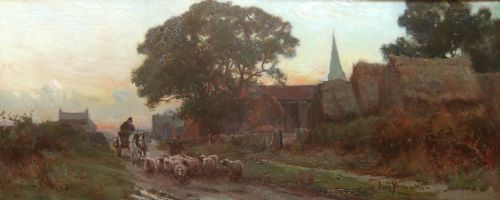
Sheep in landscape oil works capture rural pastoral scenes across British and European countryside, offering collectors atmospheric views of flocks grazing on hillsides.
Sheep in Landscape Oil
A sheep in landscape oil painting depicts pastoral life, featuring flocks grazing on moors, fields, and mountainous terrains.
The selections span the nineteenth century into the mid-twentieth century, encompassing Victorian pastoralism and British impressionism.
Canvases and wood panels present these rural subjects through the eyes of artists working in England, Scotland, and continental Europe.
How they were made
Artists applied oil paint to woven canvas, wooden panels, or card supports, sometimes building thick impasto textures.
Finished works found houses in moulded wooden frames, frequently finished with gesso and giltwood details.
Listings feature oil paintings on canvas and wood panel from the Victorian period through to the mid-twentieth century.
What varies in quality
The handling of natural light and atmospheric depth distinguishes accomplished pastoral works from more formulaic studio compositions.
An artist's ability to render the anatomy and fleece texture of sheep within a convincing landscape creates the primary division in standard.
Eugène Verboeckhoven·Thomas Sidney Cooper·Robert Watson·Owen Bowen·Lewis Creighton
The Sheep in Landscape Oil Glossary
- Oil on canvas
- Pigments bound in drying oil applied to a stretched fabric support. This surface formed the primary medium for nineteenth-century landscape painting.
- Wood panel
- A rigid wooden support used by artists before stretching canvas became universal. Panels frequently preserve fine brushwork and detailed animal studies.
- Gesso
- A plaster mixture applied to wood frames or panel supports as a smooth base for gilding and paint. It provides structure to ornate Victorian framing.
- Giltwood
- Timber carved and covered with thin gold leaf or metal foil. These frames surround many pastoral oil paintings from the Victorian period.
- Impasto
- Paint applied thickly to a canvas, standing out from the surface. This technique captures texture in wool, clouds, and rough moorland grass.
Sheep in Landscape Oil: Frequently Asked Questions
What is a sheep in landscape oil painting?
These artworks are traditional oil paintings focused on flocks of sheep within rural, moorland, or highland settings. They record agricultural life and pastoral scenery primarily from the nineteenth and early twentieth centuries.
Artists across Britain and Europe painted these rural views to satisfy a strong Victorian demand for domestic and tranquil countryside scenes.
How do I date an antique oil painting?
Dating relies on examining the canvas stretchers, the composition style, the framing materials, and any artist signatures or inscriptions on the reverse. Victorian works often display specific framing styles and canvas stamps.
Comparing brushwork and subject matter to documented painters of the nineteenth century helps narrow the period of creation.
Where should I hang these pastoral paintings?
These works suit traditional living spaces, studies, or hallways where natural light complements the rich tones of oil paint and gilt frames. They pair well with period interiors and wooden furniture.
Owners should avoid placing oil paintings in direct sunlight or damp environments to protect the canvas and paint layers.
What subjects appear alongside sheep in these landscapes?
Landscapes frequently include shepherds, sheepdogs, farmsteads, cattle, and rivers set against Scottish highlands, Yorkshire moors, or English farmland. These elements establish scale and narrative within the pastoral scene.
Weather conditions vary from calm sunset pastoralism to stormy coastal backgrounds and winter snow.