
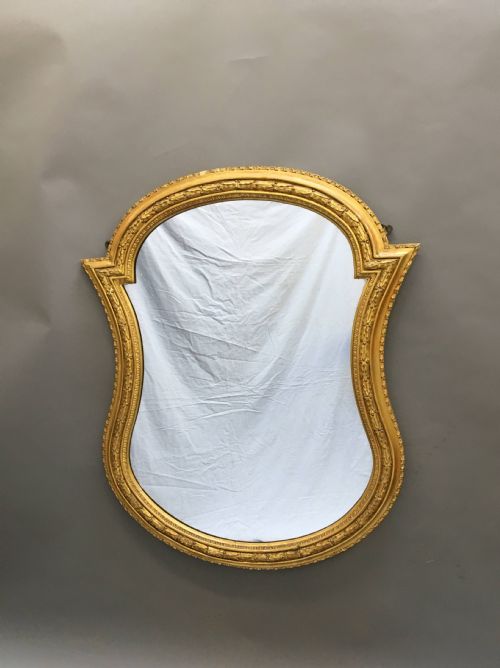


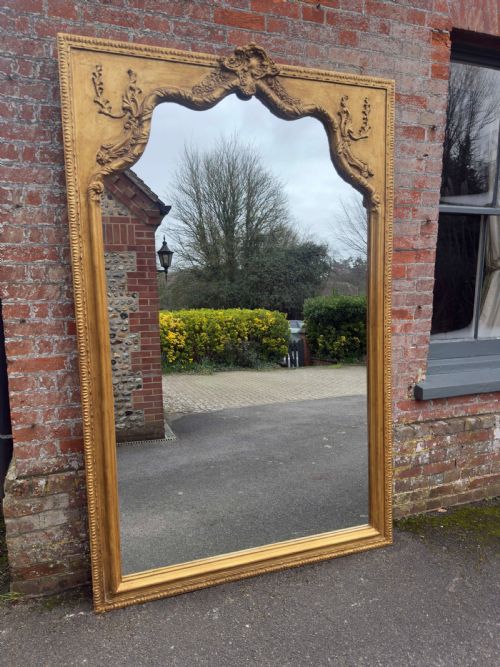


Shaped Wood Frame Mirror
A shaped wood frame mirror brings architectural presence and reflected light to a room through curved timber outlines and decorative mouldings.
Shaped Wood Frame Mirror
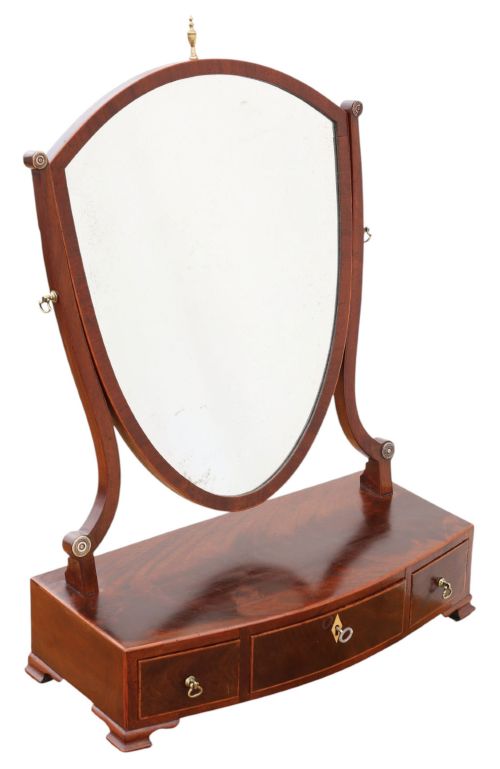
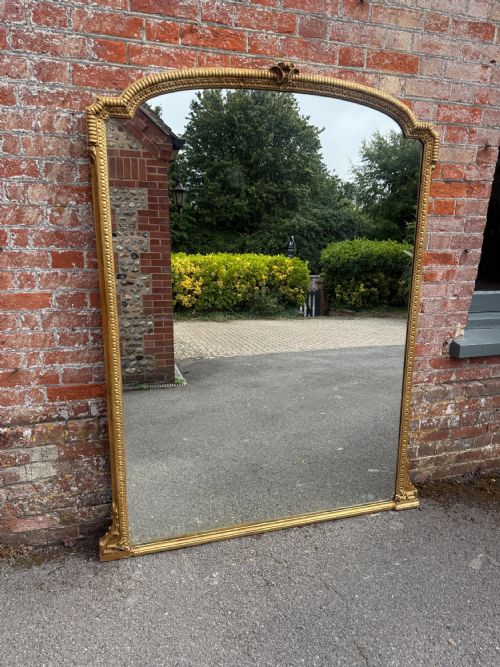
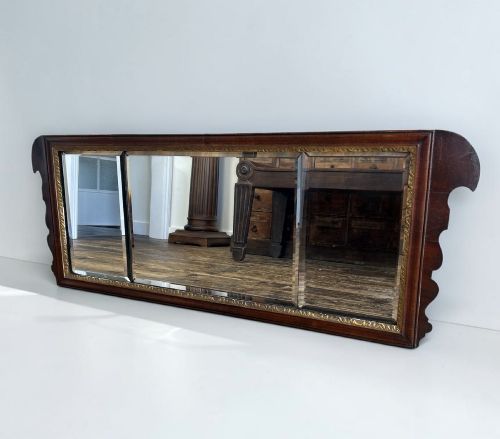
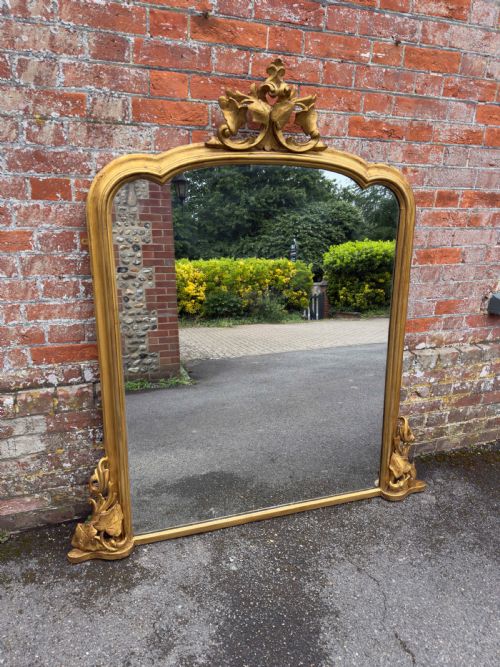
When you search for a shaped wood frame mirror, you encounter pieces designed to hang above mantels, adorn dressing tables, or stand independently on the floor. The most common varieties appearing in these records are large overmantel mirrors and wall mirrors dating from the nineteenth century.
These items originate predominantly from English and French workshops, utilising timber frameworks shaped at the top with arches, shields, or asymmetric curves. Many incorporate decorative crests and moulded wooden profiles tailored for domestic interiors.
Beyond wall-hanging formats, the selections encompass smaller dressing table swing mirrors and floor-standing cheval mirrors. Walnut, mahogany, and painted woods form the primary structural bodies across these diverse household objects.
Construction materials and techniques
Makers built the foundational structures using solid hardwoods such as walnut, mahogany, and carved timber, which were then shaped by hand. Frames frequently received applications of gesso to build up intricate surface details, scrolls, and relief ornamentation before gilding or painting.
Finishing techniques relied heavily on gold leaf, silver, or liquid paint applied over gesso preparations to create lustrous or decorated surfaces. Glass plates were fitted into the rebated timber frames, sometimes secured with traditional backing methods appropriate to the period.
Listings feature items spanning the Georgian era through the twentieth century, with nineteenth-century pieces forming the largest share.
Distinctions in craftsmanship
The degree of refinement in the carved wood and gesso ornamentation dictates the visual hierarchy of these objects. Highly articulated mouldings, deep relief carving, and well-executed parcel gilding separate elaborate pieces from simpler vernacular items.
The integrity of the original surface finish, whether giltwood, black lacquer, or hand-painted decoration, heavily influences the character of the piece. Surviving original mirror glass and well-preserved structural joinery further distinguish finer examples.
The Shaped Wood Frame Mirror Glossary
- Gesso
- A plaster-like mixture applied to wood frames to create a smooth surface for carving or gilding. This material allows artisans to fashion intricate relief motifs.
- Overmantel Mirror
- A large mirror specifically proportioned to hang above a fireplace mantel. These pieces often feature wide landscape formats and shaped tops.
- Cheval Mirror
- A full-length swing mirror suspended in a standing frame. The framework allows the glass to tilt on vertical pivots.
- Parcel Gilt
- A finishing technique where portions of an object are highlighted with gold leaf while other areas show the underlying wood. This creates a contrasting two-tone effect.
- Pier Glass
- A tall mirror designed to be hung on the wall between windows. They frequently match the vertical proportions of the surrounding architecture.
Shaped Wood Frame Mirror: Frequently Asked Questions
Where should an overmantel mirror be hung?
An overmantel mirror traditionally sits directly above a fireplace mantel to reflect light and anchor the wall space.
Ensure the hanging fixings are secured into solid wall studs or masonry to support the considerable weight of the timber and glass.
How do I identify a nineteenth-century mirror?
Nineteenth-century examples typically display hand-carved wooden frames coated in gesso with traditional gilding or painted finishes.
Look for construction details like hand-cut joinery and older mirror glass plates showing subtle signs of age.
What is the difference between a wall mirror and a pier glass?
A standard wall mirror comes in various proportions suitable for general room placement.
A pier glass specifically refers to a tall, narrow mirror historically hung on the narrow wall section between two windows.
How should I clean a gilded wood frame?
Dust gilded and carved wooden frames gently with a soft, dry brush to prevent damage to delicate gesso details.
Avoid using liquid cleaners or abrasive cloths on the gold leaf or painted surfaces.