





Shadow Portrait Art
Shadow portrait art captures profiles through delicate paper cutting and precise ink work, offering a direct glimpse into historical likenesses.
Shadow Portrait Art
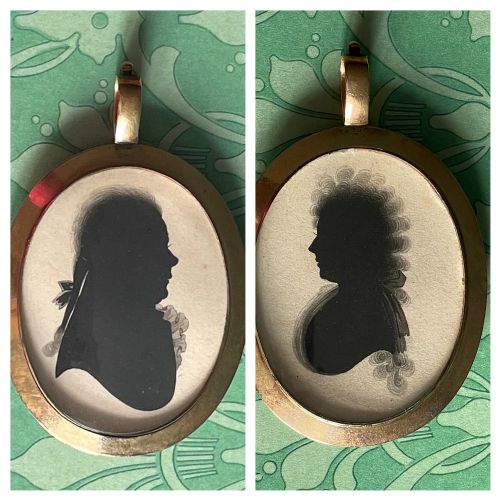
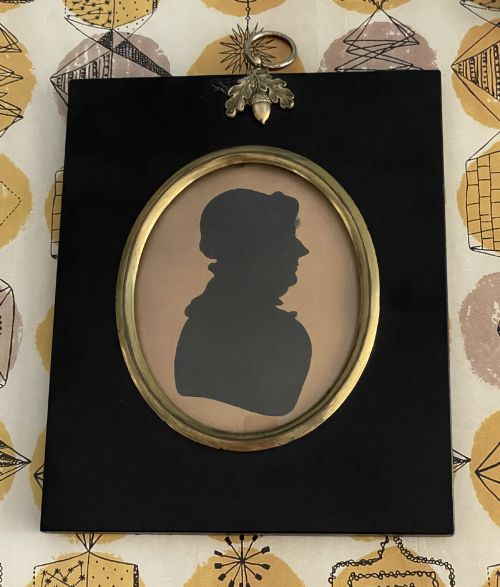
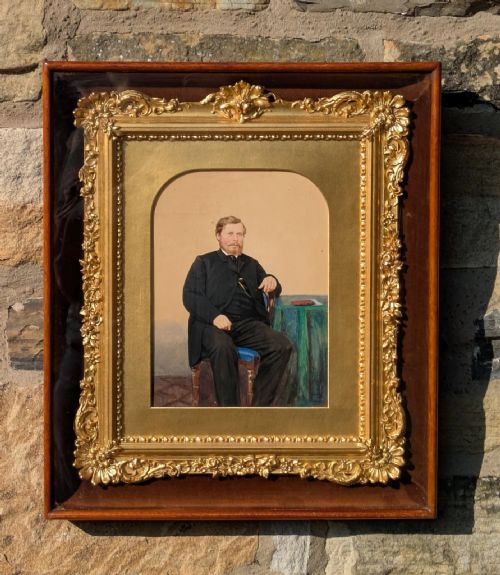
These works comprise framed profiles and miniature likenesses produced primarily during the Georgian, Regency, and Victorian periods. Buyers seeking shadow portrait art encounter both cut paper profiles and delicate painted images rendered directly onto glass or card.
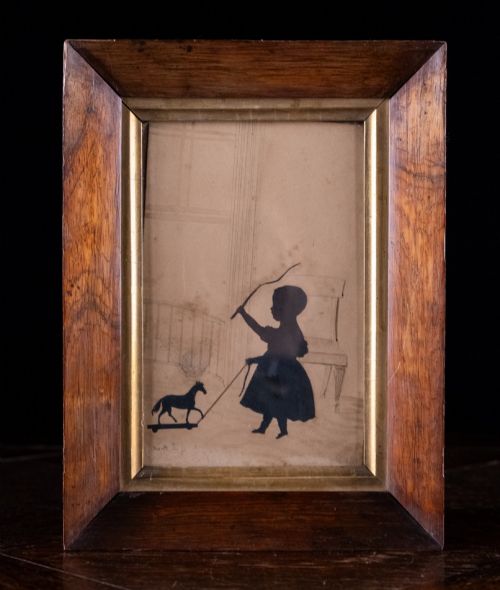
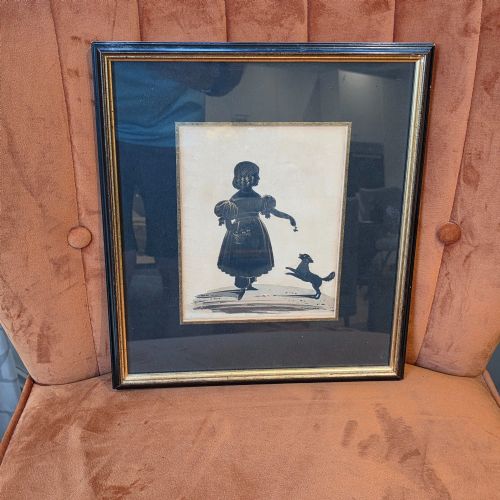
The selections on this page span wall art and framed silhouette pieces, often depicting full-length figures, children, or family conversation pieces. Many examples preserve the distinct fashions and headwear of the eighteenth and nineteenth centuries.
Makers recorded in these listings utilised various methods to capture a subject, ranging from hollow-cut paper mounted against dark backgrounds to detailed brushwork highlighted with gold leaf.
How they were made
Artisans constructed these pieces using paper, ink, and glass, frequently housing the finished profile within ebonised wood, maple, or rosewood frames. Some works employ reverse painting techniques directly onto glass panels, adding subtle depth to the dark silhouette.
Shadow Portrait Art Retail Price Guide 2026
Typical asking prices for shadow portrait art among the pieces listed under this phrase on Sellingantiques today, from the lower quarter to the upper quarter. They describe what is for sale here now, not the wider market.
Listings feature works created across the 18th century, 19th century, Regency, and Victorian periods using glass, paper, wood, ink, brass, gold leaf, and maple.
What varies in quality
The precision of the cutting or brushwork dictates the distinction between standard items and superior examples. Finer pieces demonstrate absolute control over the profile line, capturing specific garments, hairstyles, and accessories with sharp clarity.
The quality of the framing and mounting significantly influences the piece, with period frames featuring original glass and backboards retaining greater historical integrity.
William James Hubard·Augustin Edouart·John Miers
The Shadow Portrait Art Glossary
- Silhouette
- A portrait profile filled in with a solid dark colour, typically black, contrasted against a lighter background. These likenesses gained immense popularity before the widespread adoption of photography.
- Reverse painted
- A technique where the artist paints the image directly onto the reverse side of a glass sheet so the viewer looks through the glass to see the finished work. This method produces a glossy, protected surface.
- Hollow-cut
- A method where the silhouette is snipped out of a sheet of paper, leaving the surrounding paper to serve as the mount against a dark background fabric. This technique often allowed artists to sign beneath the aperture.
- Conversation piece
- An informal group portrait depicting family members or companions engaged in a shared activity or interaction. These compositions often include pets and domestic settings.
- Ebonised wood
- Timber treated with a finish to imitate expensive ebony wood, commonly utilised for dark contrasting frames during the nineteenth century.
Shadow Portrait Art: Frequently Asked Questions
How do I date a silhouette?
Dating relies heavily on the style of dress, hair, and bonnets depicted in the portrait, matching historical fashion trends of the Georgian and Victorian eras.
Framing materials and backing papers also provide vital clues, as rosewood, maple, and specific brass hangers correspond to distinct manufacturing periods.
Are these portraits hand cut?
Many examples on this page are hand-cut from paper using fine scissors or knives, reflecting the primary method of production before mass printing.
Other pieces feature delicate ink or pigment applied directly to card or glass by hand.
How should I display them?
These framed works suit small wall spaces or grouped arrangements alongside other period artwork. Direct sunlight should be avoided to prevent fading of the delicate paper and watercolour elements.
Stable indoor humidity helps preserve the fragile paper and traditional wooden frames.
What materials were used?
Common materials include paper, ink, and glass, often assembled within ebonised, maple, or rosewood frames. Some compositions incorporate gold leaf highlights and velvet mounts inside deep glazed boxes.