


Seventeenth Century Style Sideboard
These seventeenth century style sideboard pieces are sturdy oak items of regional furniture built to anchor a dining room.
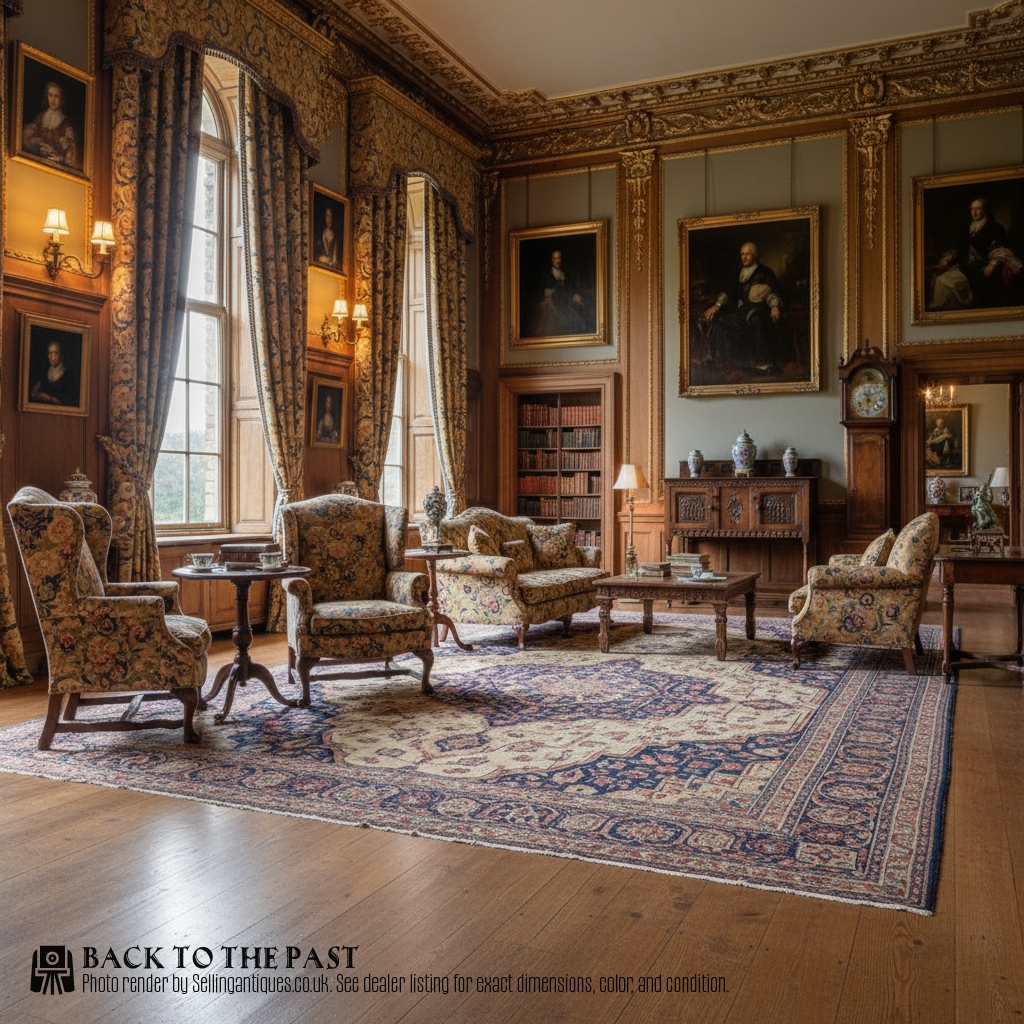
Seventeenth Century Style Sideboard
A seventeenth century style sideboard encompasses heavy oak furniture forms including court cupboards, dresser bases, and side cabinets. Buyers searching this phrase meet a mix of genuine seventeenth century work alongside twentieth century revivals produced in the nineteen tens and twenties.
The practical forms range from open dresser bases designed for display to enclosed court cupboards featuring stacked cabinet doors. These sturdy items originate primarily from English workshops focusing on traditional joinery.
Revival pieces from the early twentieth century sit alongside nineteenth century interpretations and older period examples. Oak remains the central material across all these chronological categories.
How they were made
Makers constructed these pieces from solid oak, frequently employing painted finishes or leaving the timber exposed to show the grain. Carpenters utilised traditional joinery methods suited to heavy regional furniture.
Hardware consists of brass and iron fittings that secure the heavy cupboard doors and drawers. Hand-carved decoration appears across the front panels of court cupboards and dresser bases.
Listings span from pre-sixteenth century examples through to pieces made in nineteen twenty, uniting court cupboards and dresser bases under oak construction.
What varies in quality
The depth and crispness of the hand-carved ornamentation separate standard cabinet work from superior examples. Finely detailed panels on court cupboards indicate skilled joinery.
The choice of timber grain and the integrity of the original oak structure determine the standing of each piece. Later twentieth century revival items show different construction standards compared to earlier period work.
The Seventeenth Century Style Sideboard Glossary
- Court cupboard
- A heavy enclosed storage piece featuring stacked upper and lower sections with doors. These items provided secure storage for household silver and provisions.
- Dresser base
- A low rectangular cabinet fitted with drawers across the top and open space or cupboards below. These pieces served practical utility in domestic kitchens and dining rooms.
- Jacobean revival
- A decorative style popular in the late nineteenth and early twentieth centuries that imitated seventeenth century forms. Furniture from this movement utilised dark oak and traditional carved motifs.
- Ipswich oak
- A term associated with twentieth century regional furniture production emulating early English styles. Makers in this tradition focused on sturdy oak construction.
Seventeenth Century Style Sideboard: Frequently Asked Questions
What is a court cupboard?
A court cupboard is an enclosed storage piece built with stacked upper and lower sections. These items feature heavy carved doors.
Carpenters designed them to hold household provisions and display valuable plate in dining spaces.
How do I date an oak dresser?
Dating relies on examining the construction methods, timber preparation, and tool marks visible on the interior boards. Revival pieces from the twentieth century show different handling than seventeenth century originals.
Hardware and joinery styles also help distinguish between period items and later interpretations.
Where were these pieces made?
Most pieces originate from English workshops focusing on traditional joinery and regional furniture forms. Oak was sourced locally for these heavy items.
Makers in places like Ipswich contributed to the later revival styles.
How do I care for antique oak?
Antique oak benefits from stable room temperatures away from direct heat sources to prevent the timber from splitting. Regular waxing maintains the finish without building up heavy residues.
Avoid excessive moisture during cleaning.