
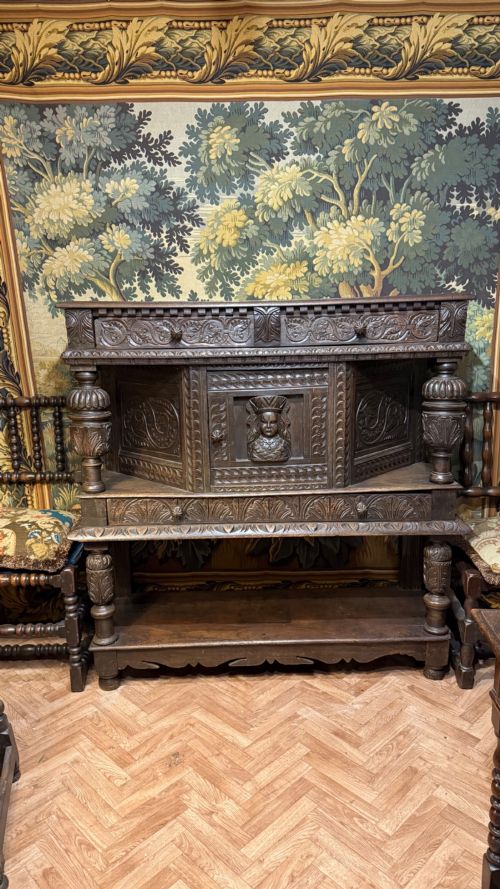
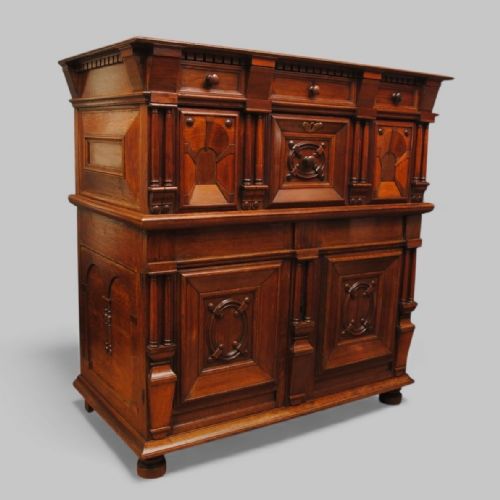


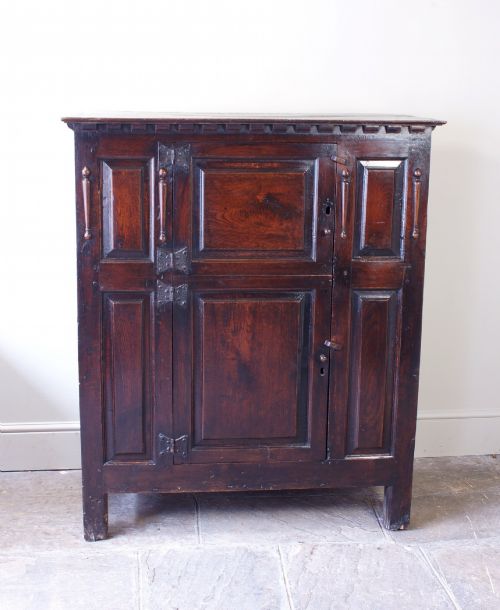


Seventeenth Century Court Cupboard
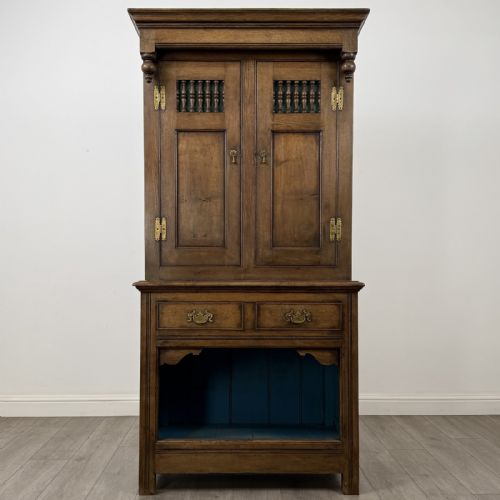
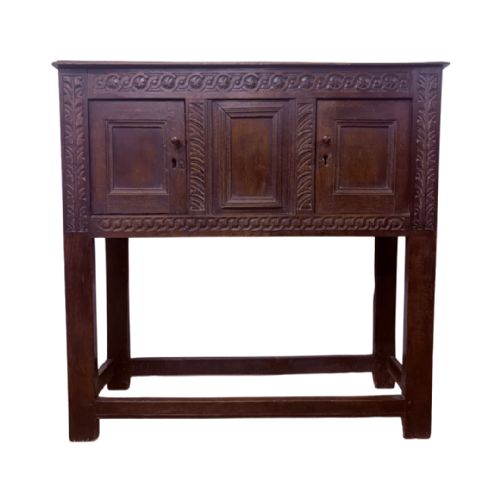
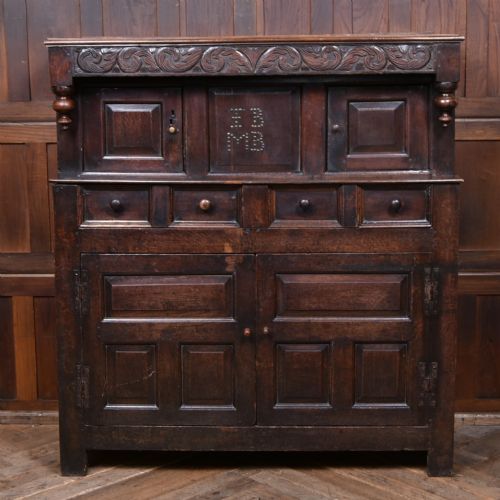
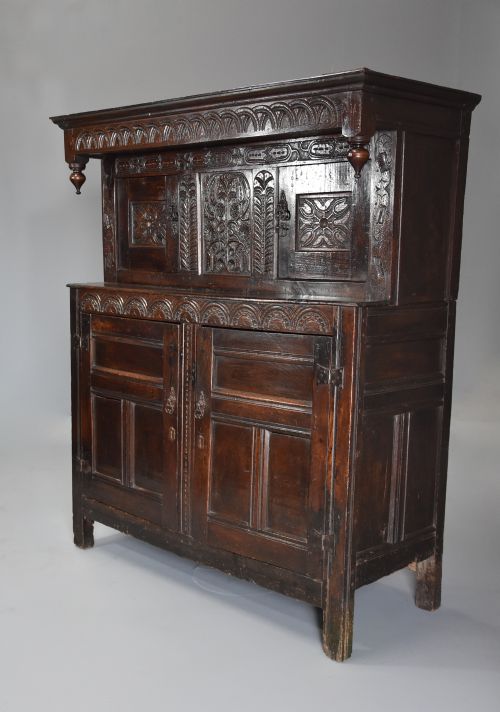
A seventeenth century court cupboard stands as a monumental centrepiece of early domestic timber architecture, prized for its tiered display shelves and sturdy enclosed storage.
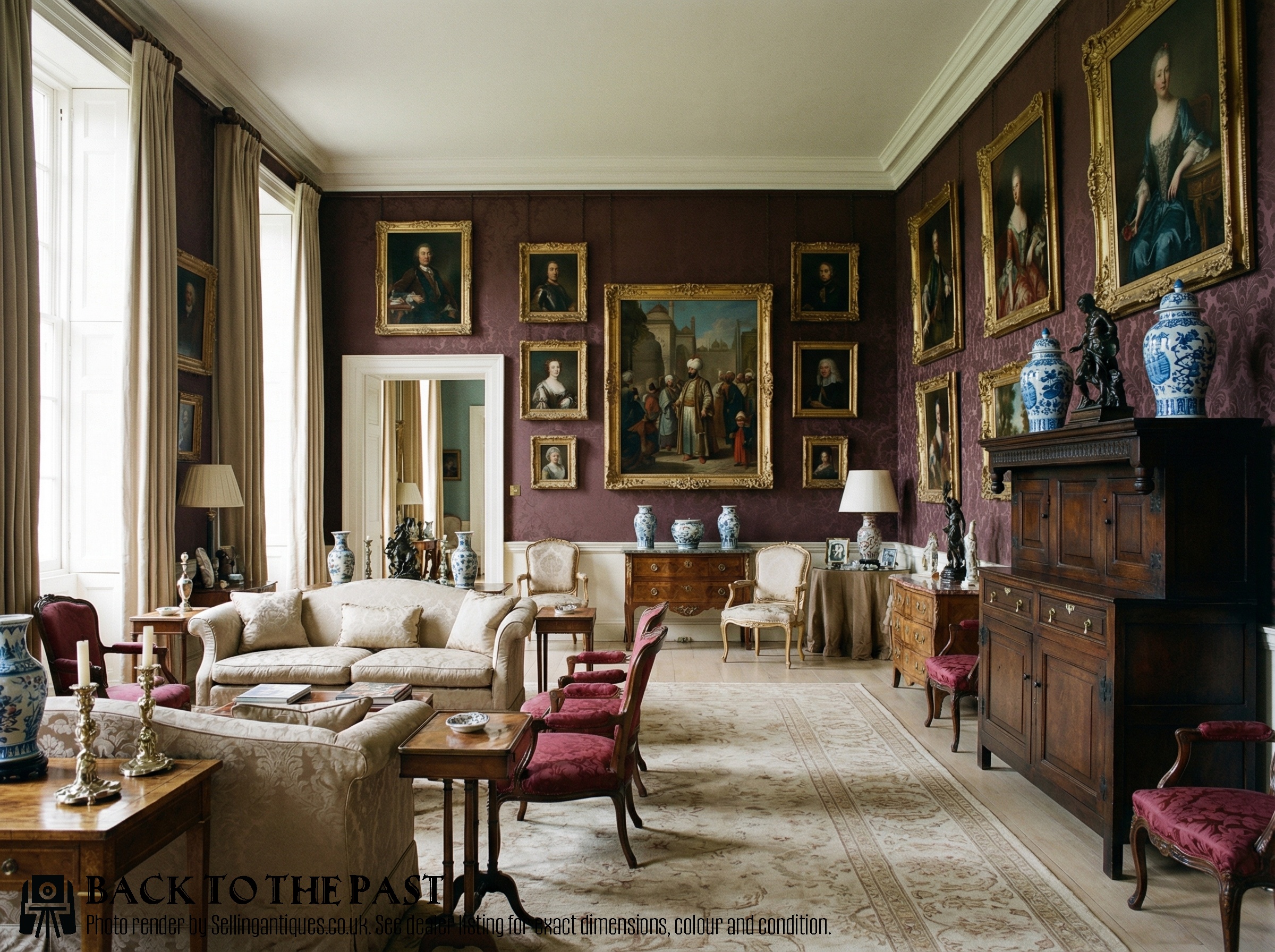
Seventeenth Century Court Cupboard
A seventeenth century court cupboard is a substantial storage piece historically used for displaying plate and holding household stores, appearing on this page primarily in period oak alongside revival iterations from later centuries. These forms encompass press cupboards, livery cupboards, and Welsh deuddarns featuring the characteristic recessed upper stage supported by columns or balusters.
The regional variations visible in the listings range from West Country and Lancashire examples to Welsh vernacular interpretations. Buyers frequently encounter both authentic seventeenth century survivals and later nineteenth or early twentieth century Jacobean style interpretations built to echo the same architectural mass.
Forms also overlap with joined cupboards, hutches, and buffet cupboards, sharing the heavy timber framework and panelled construction typical of the period. Each variant serves the same fundamental purpose of combining open display tiers with secure cupboard storage below.
Materials and construction methods
English oak serves as the primary structural material, augmented by secondary timbers such as walnut and fruitwood with occasional fruitwood inlay. Cabinet makers utilised joined construction techniques, pinning mortice and tenon joints securely together without reliance on modern adhesives.
Carving, moulding, and panel work define the surface ornamentation, executed directly into the dense hardwood timber. Iron and brass hardware, including wrought iron hinges and handles, secure the doors and drawers while complementing the heavy timber aesthetic.
Listings feature oak, walnut, fruitwood, iron, and brass across seventeenth century periods alongside twentieth century revival interpretations.
Assessing quality and authenticity
Quality rests upon the integrity of the timber framing, the crispness of the period carved details, and the survival of original surface patination. Pieces retaining their untouched early finish demonstrate a superior grade of craftsmanship compared to those subjected to heavy later restoration.
The proportion and balance of the upper recessed section relative to the lower base dictate the visual harmony of the piece. Master timberwrights achieved greater refinement in their joinery and proportion, separating exceptional regional vernacular works from simpler utilitarian cupboards.
The Seventeenth Century Court Cupboard Glossary
- Court cupboard
- A traditional tiered cabinet featuring an upper stage supported by columns, designed for displaying plate and storing provisions. These pieces form the core of seventeenth century vernacular timber furniture.
- Press cupboard
- An enclosed storage unit with upper and lower cupboard sections used originally for storing linen and clothing. They share the heavy oak construction typical of court cupboards.
- Joined cupboard
- Furniture constructed using mortice and tenon joints secured with wooden pegs rather than simple nailed boards. This method provides exceptional structural rigidity.
- Deuddarn
- A traditional Welsh two-piece cupboard or press originating from domestic vernacular traditions. They often incorporate regional carving styles and fruitwood details.
- Jacobean style
- A revival aesthetic popular during the nineteenth and twentieth centuries that copies the heavy proportions, turning, and carved ornamentation of early seventeenth century English furniture.
Seventeenth Century Court Cupboard: Frequently Asked Questions
What is a seventeenth century court cupboard?
A seventeenth century court cupboard is a heavy timber storage piece featuring a recessed upper section supported by pillars above a lower cabinet base.
Historically used in the hall or parlour for displaying silver plate and storing food or linens, these cupboards represent the height of early vernacular cabinet making.
How do I tell an original from a revival piece?
Original pieces display authentic tool marks, period joinery methods, and natural timber shrinkage consistent with centuries of age. Revival examples from later centuries often use machine-cut elements and lack the deep surface patina found on genuine period oak.
Examining the interior construction, nail types, and backboards usually reveals the true age of the timber framework.
Where were these cupboards placed in a historic home?
These cupboards stood principally in the main hall or dining parlour where wealthy households displayed their finest pewter, brass, and silver vessels.
The upper tiers presented status items to guests while the lower cupboards concealed household stores and valuables.