


Seventeenth Century
When you search for seventeenth century antique pieces, you encounter solid oak furniture, oil paintings, and iron objects forged centuries ago.
Seventeenth Century
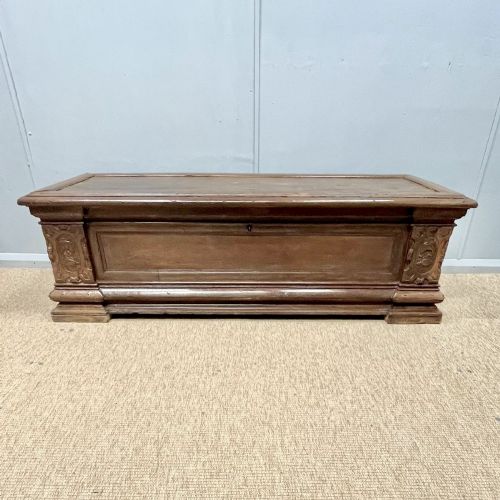
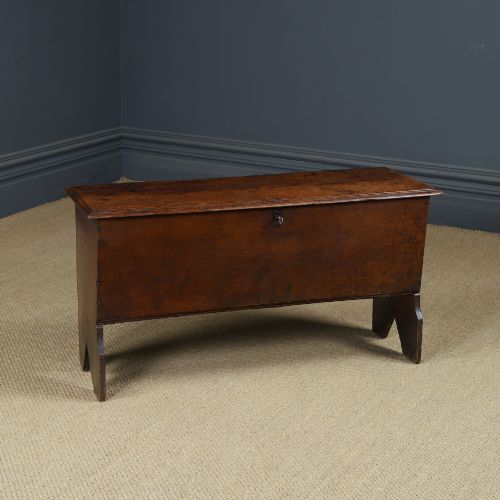
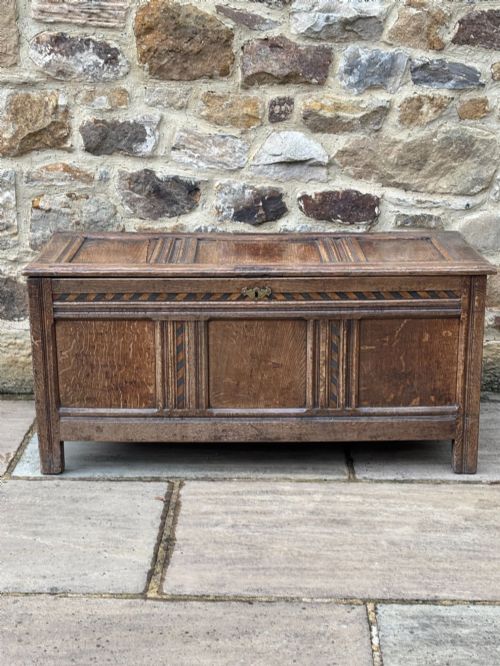
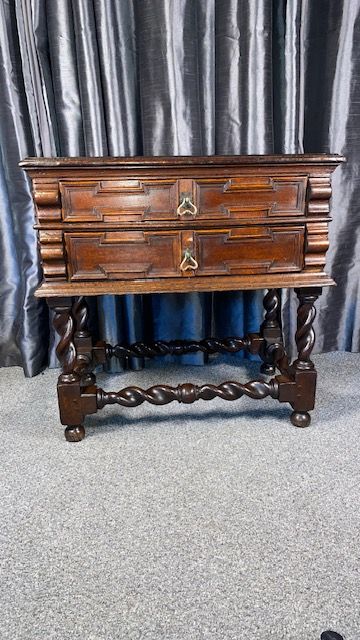
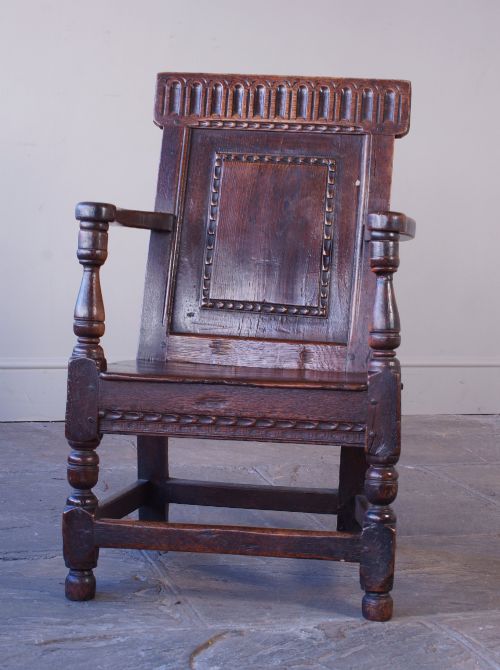
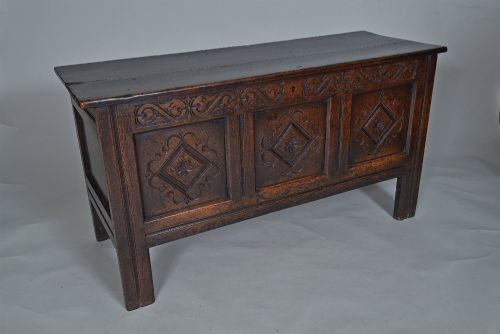
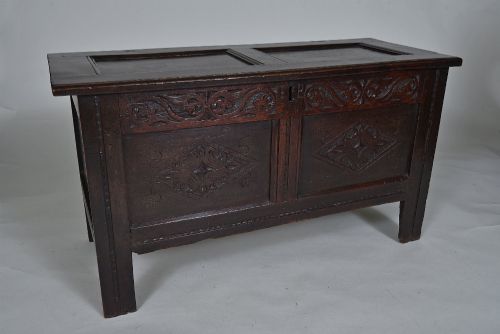
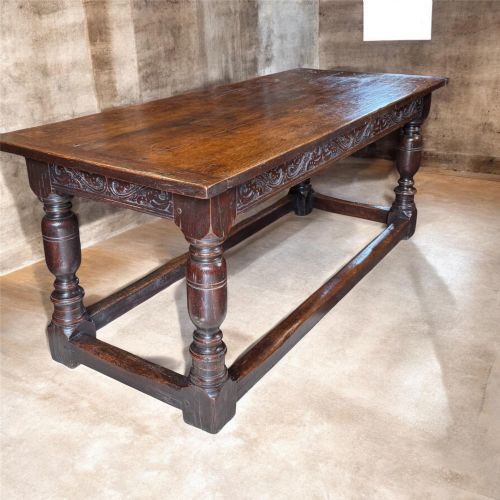
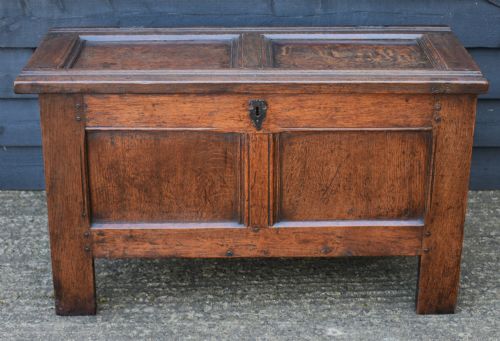
A seventeenth century antique typically comprises utilitarian domestic furnishings and heavy storage pieces created from timber. Buyers exploring this category encounter sturdy coffers, joint stools, refectory dining tables, and Bible boxes.
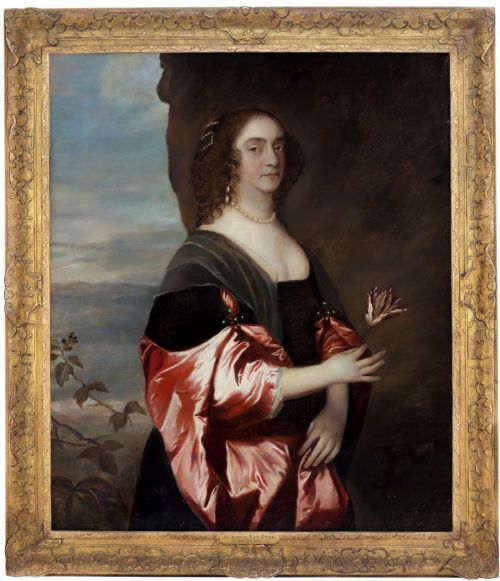
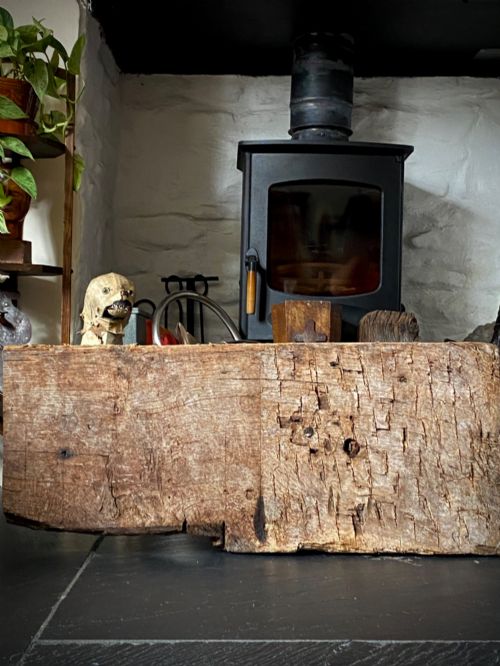
The material record also spans framed oil on canvas portraits, decorative maps, and architectural elements like inglenook beams. Many items originate from English workshops, alongside occasional continental European paintings and chests.
While the core inventory dates directly to the sixteen hundreds, some listings extend into later revival periods or adjacent centuries while retaining seventeenth century characteristics.
Materials and construction methods
Carpenters relied heavily on sturdy English oak, shaping panels with hand tools and securing joints through mortise and tenon techniques. Iron hardware, brass fittings, and carved wooden ornamentation reinforced these functional domestic forms.
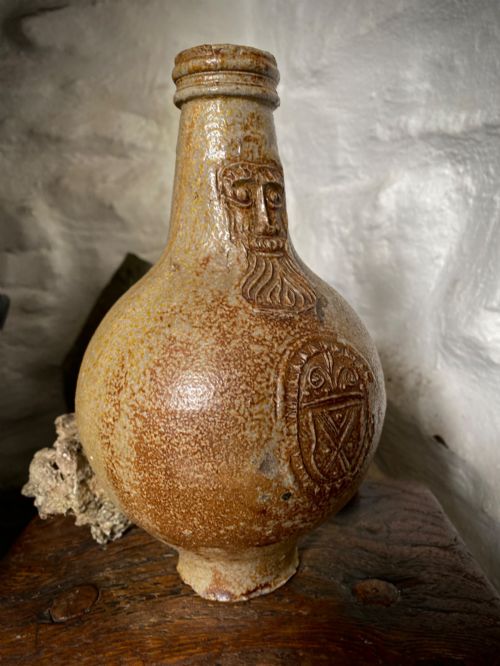
Painters applied oil pigments onto woven canvas to capture detailed portraiture, often employing rich colour palettes with gold leaf highlights. Potters and smiths utilised clay, bronze, and iron for utilitarian vessels and domestic hardware.
Seventeenth Century Retail Price Guide 2026
Typical asking prices for seventeenth century among the pieces listed under this phrase on Sellingantiques today, from the lower quarter to the upper quarter. They describe what is for sale here now, not the wider market.
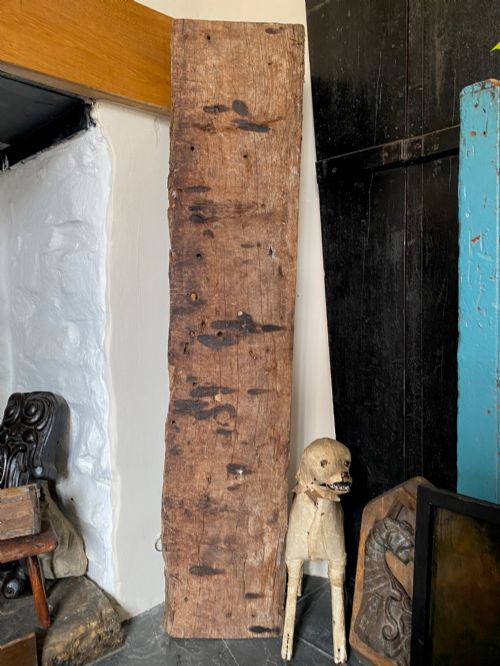
Several solid oak timbers carry apotropaic taper burns intended to ward off spirits.
Distinctions in construction and artistry
The standard of carving and inlay work distinguishes standard utility items from finer domestic showpieces. Crisp joinery, well-preserved surface patination, and intricate marquetry indicate superior craftsmanship.
Oil paintings vary according to the depth of brushwork and the documentary importance of the subject matter portrayed. Retaining original structural timber without extensive replacement parts elevates the integrity of physical furniture.
Sir Peter Lely·Cornelius Johnson·Michiel van Musscher·Joan Blaeu
The Seventeenth Century Glossary
- Coffer
- A large wooden chest used for storage, often panelled and carved on the front face.
- Joint stool
- A sturdy wooden seat constructed with mortise and tenon joinery rather than turned legs alone.
- Refectory table
- A long dining table featuring heavy timber construction and stretcher supports near the floor.
- Marquetry
- Decorative veneer work inlaid into a timber surface to form geometric or floral patterns.
- Apotropaic mark
- A ritualistic burn or scratch carved into timber to ward off evil spirits.
Seventeenth Century: Frequently Asked Questions
What is a joint stool?
A joint stool is a sturdy wooden seat built by joiners using pegged mortise and tenon joints rather than simple turned legs. These pieces served multiple household purposes around dining tables.
Their robust construction allowed them to double as small side tables or steps when needed in seventeenth century homes.
How do I identify oak furniture?
Oak furniture displays distinctive grain patterns with visible medullary rays running across the growth rings. Carpenters worked this dense timber into heavy coffers, tables, and cupboards.
Over centuries, genuine oak develops a deep, dark surface patina from handling, wax, and environmental exposure.
What is a Bible box?
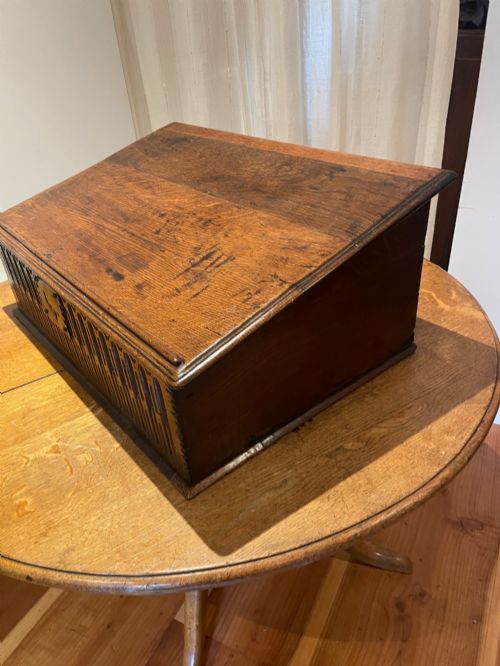
A Bible box is a small, portable wooden chest designed to store family scriptures securely. They frequently feature sloping lids that doubled as reading or writing desks.
These boxes often incorporate simple carved decoration and were kept safely on tables within the main living quarters.
How should I care for old timber?
Old timber requires stable indoor humidity levels away from direct heat sources and harsh sunlight. Applying traditional beeswax helps nourish the dry wood surface.
Avoid modern liquid polishes that can build up residue and harm the historical finish of the piece.