
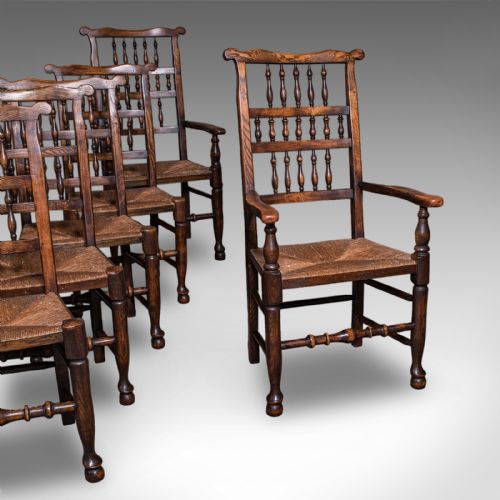
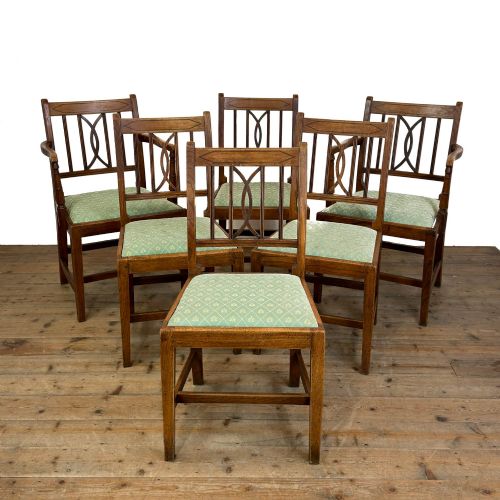
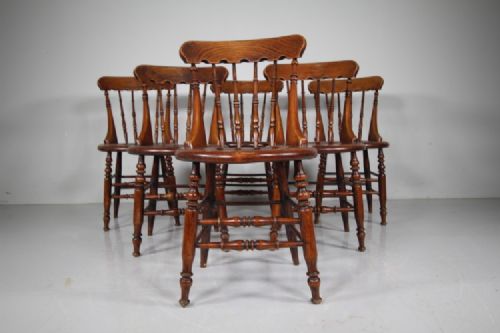
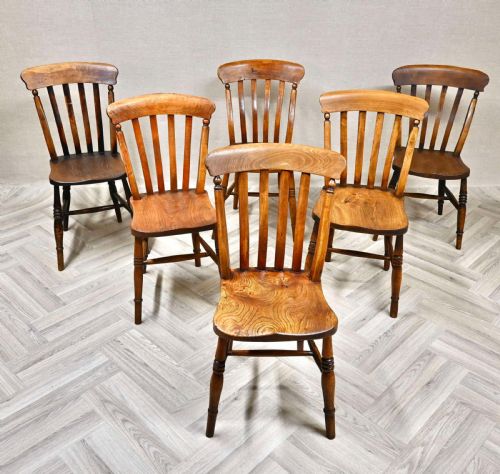

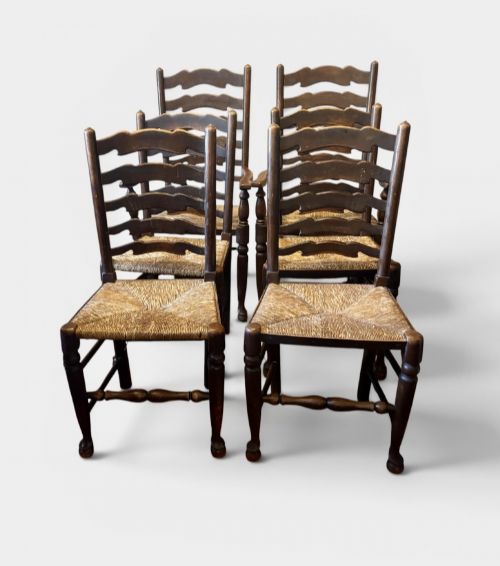
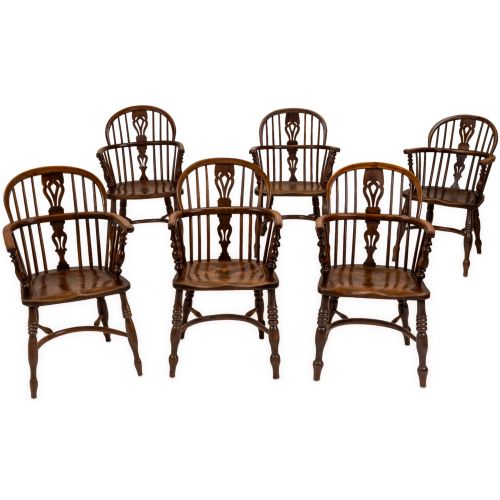

Set Six Kitchen Chairs
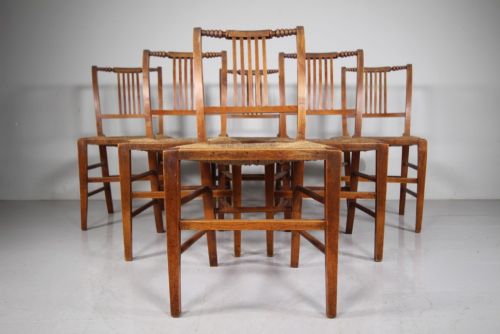
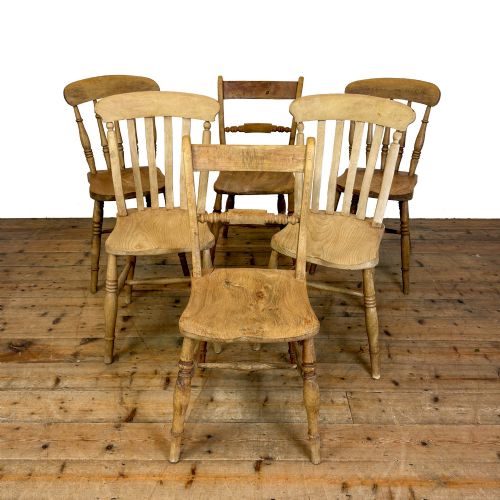
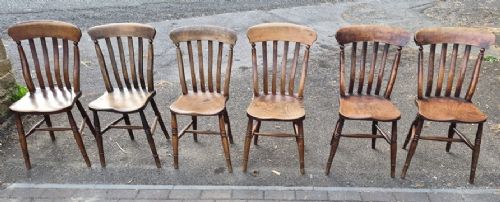
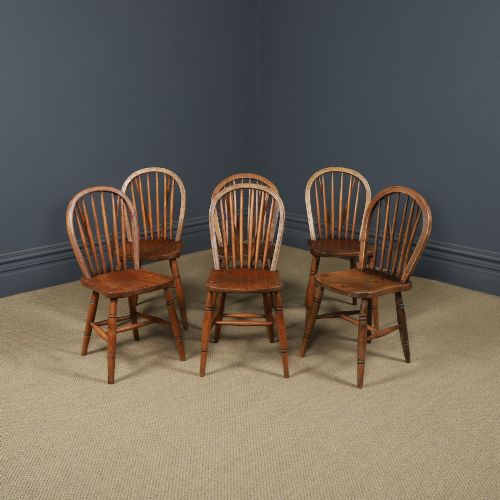
A set six kitchen chairs brings together sturdy vernacular seating from the nineteenth and early twentieth centuries, offering robust charm and enduring utility around a family table.
Set Six Kitchen Chairs
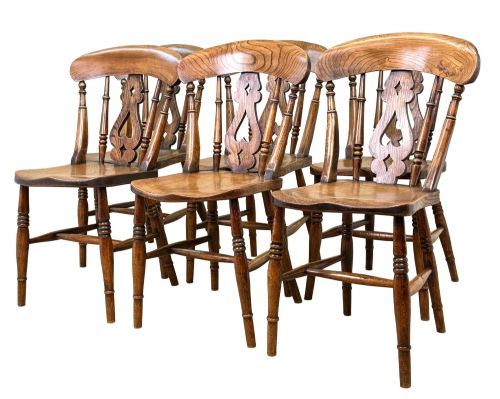
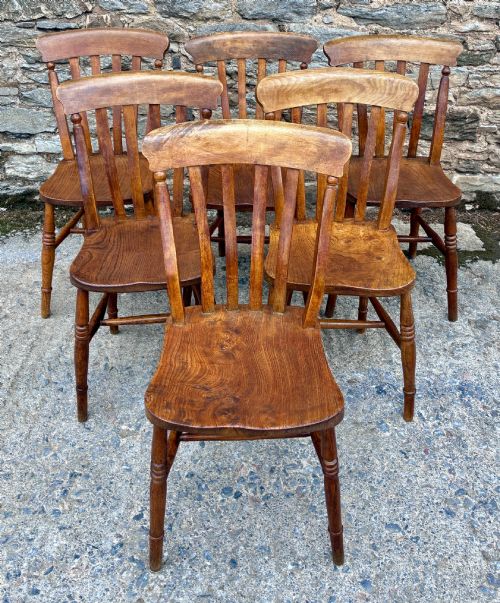
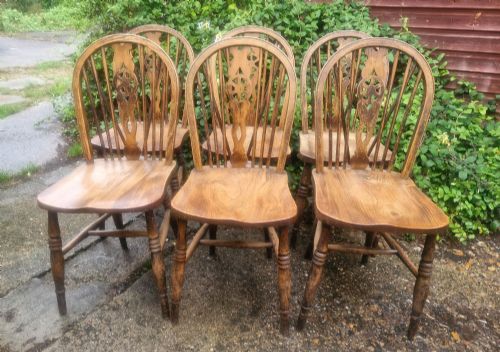
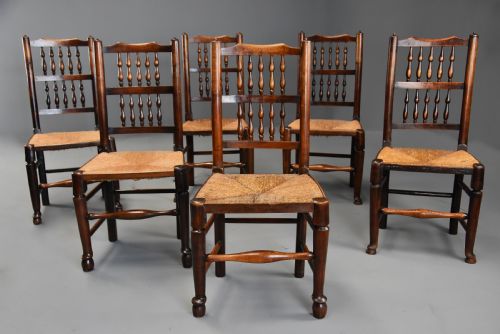
A set six kitchen chairs comprises dining seating gathered from nineteenth-century and early twentieth-century country houses and farmhouses. Buyers searching this phrase most frequently encounter English and French vernacular seating forms intended for daily domestic use.
The groupings appear as true matching sets or as harlequin collections assembled over time with similar profiles. Common variations include Windsor designs, ladder backs, and slat backs shaped for simple dining rooms.
Origins span English provincial workshops alongside French regional makers utilising native hardwoods and fruitwoods. These groupings reflect practical rural craftsmanship rather than formal court furniture.
Materials and construction
Construction relies heavily on native timbers such as elm, ash, beech, and oak combined for strength and flexibility. Elm frequently provides sturdy solid seats, while ash and beech supply resilient bentwood components and spindles.
Traditional joinery methods include steam-bending for hoops and backs, wedged tenons, and pegged joints to withstand heavy domestic strain. Rush seating also appears on specific regional ladder back variants.
Listings feature eighteenth-century through twentieth-century periods, utilising elm, beech, oak, and ash across English and French provincial forms.
Distinctions in quality
Quality rests upon the integrity of the timber selection and the retention of original surface patination. Seats carved from single thick slabs of elm command greater regard than later composite replacements.
Proportion and structural survival dictate the standing of a grouping, particularly where spindle turnings and crinoline stretchers remain tight and unmodified by extensive repairs.
Worksop
The Set Six Kitchen Chairs Glossary
- Harlequin set
- A collection of chairs assembled to match in general style and period rather than originating from a single workshop. These groupings typically share common traits like height or back design while displaying individual subtle variations.
- Windsor
- A chair built with a solid wooden seat into which the legs and back sticks are independently inserted. This form utilises turned components and bentwood hoops for structural rigidity.
- Lathe back
- A chair featuring flat horizontal or vertical wooden slats shaped on a lathe. They provide strong lumbar support in nineteenth-century vernacular seating.
- Rush seat
- A seating surface woven from dried marsh grasses twisted into cords. It offers a resilient, flexible platform common in traditional ladder back chairs.
- Crinoline stretcher
- A curved under-framing wire or wooden brace connecting the legs of an armchair for added stability. It derives its name from the hooped petticoats of the nineteenth century.
Set Six Kitchen Chairs: Frequently Asked Questions
What is a harlequin set?
A harlequin set is a group of dining chairs assembled to match in style, height, and general appearance even though they were not manufactured together originally. Dealers gathered these pieces to provide enough seating for a table before mass production standardised furniture output.
Such groupings often share common materials like elm and ash or similar back designs such as wheel backs or ladder backs. They offer a collected aesthetic suited to traditional country dining rooms.
How do I care for antique wooden seats?
Antique wooden kitchen chairs require minimal intervention to preserve their historic surfaces and dry timber. Regular dusting with a soft cloth and occasional application of appropriate wax maintain the finish without creating buildup.
Keep these pieces away from direct heat sources and dramatic humidity shifts to prevent wood shrinkage and joint loosening. Solid elm and oak seats benefit from stable indoor environments.
Are these chairs comfortable for daily use?
Nineteenth-century vernacular chairs were built for practical domestic tasks and feature contoured wooden saddles designed for long periods of sitting. Their upright postures suit dining tables rather than lounging.
Adding simple loose squab cushions can increase comfort for modern dining routines while preserving the original seat timber underneath. The sturdy construction handles daily family meals effectively.
How do I distinguish regional styles?
Regional variations in kitchen seating depend heavily on local timber availability and traditional woodworking techniques. Thames Valley Windsors often display distinct crinoline stretchers and figured elm seats, while Lancashire ladder backs favour straight-grained ash and beech.
French provincial examples frequently employ fruitwood and rush seating with carved aprons reflecting local craftsmanship. Examining the turning details and timber choices clarifies these geographic origins.