

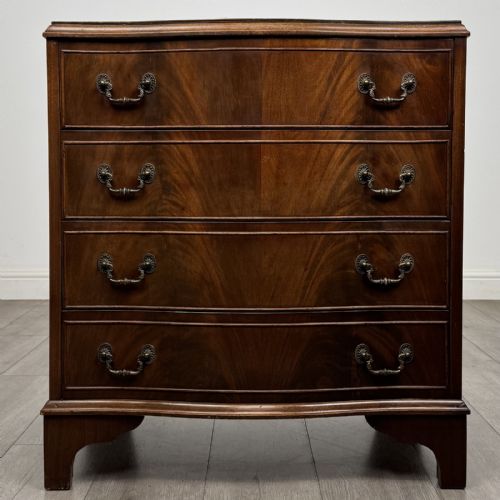
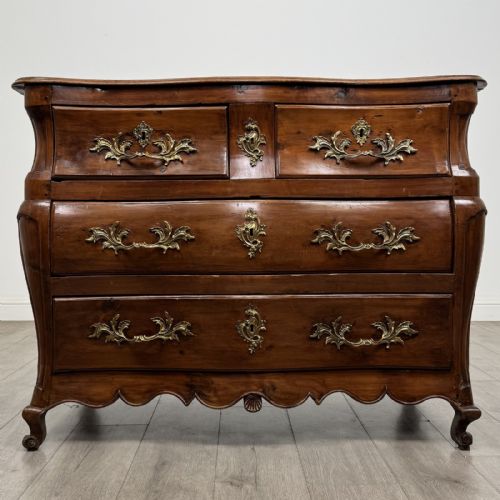
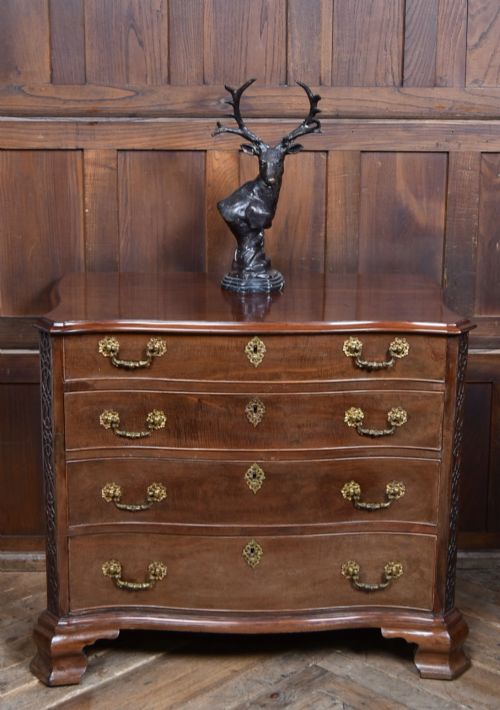
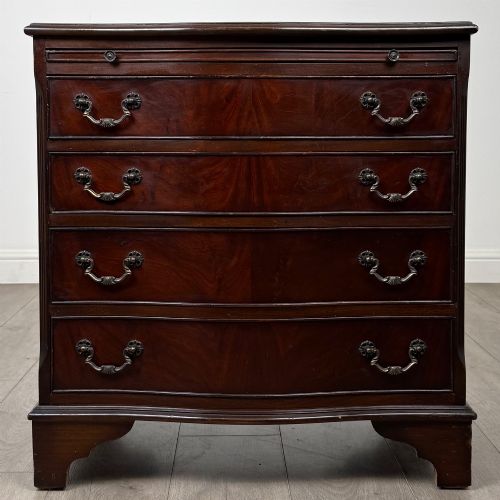
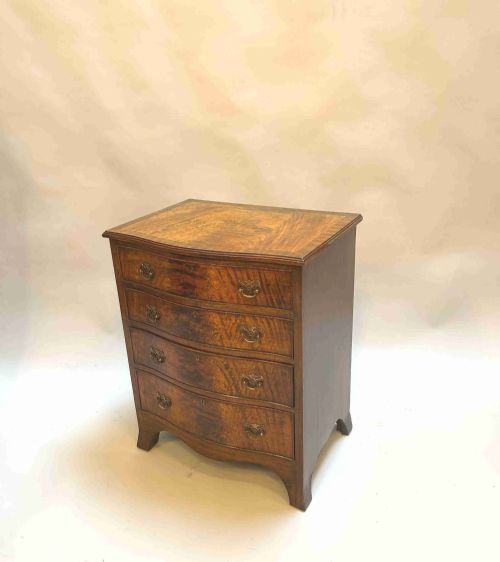
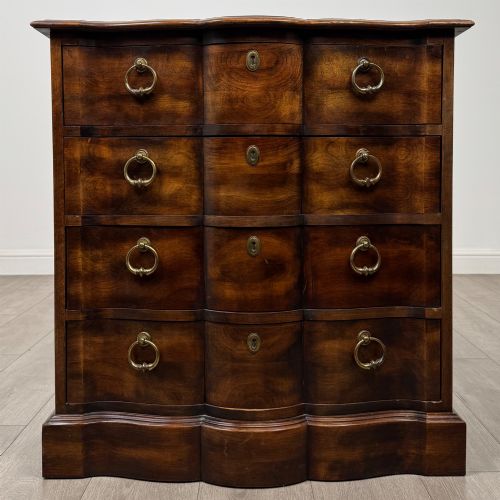
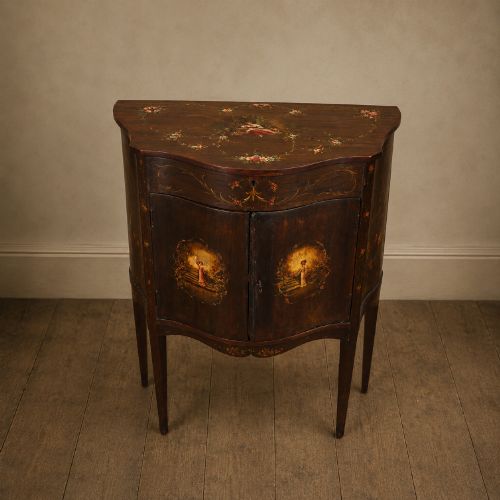
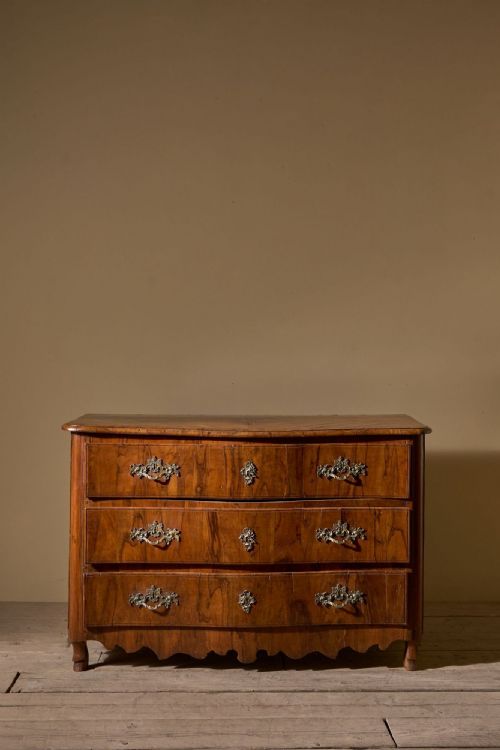
Serpentine Wood Commode
A serpentine wood commode brings sweeping curves and rich timber grain to a room, offering practical storage disguised as high sculpture.
Serpentine Wood Commode
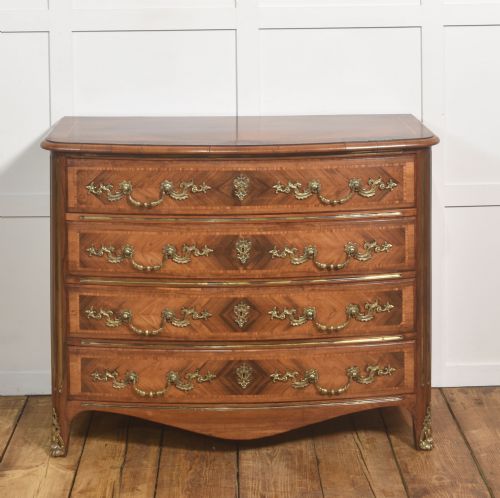
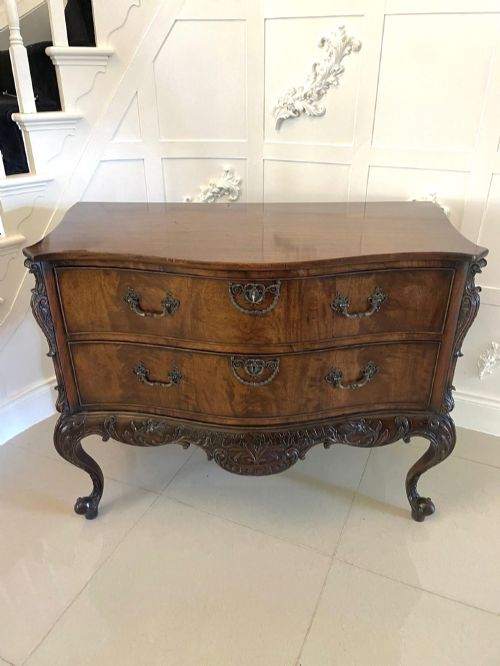
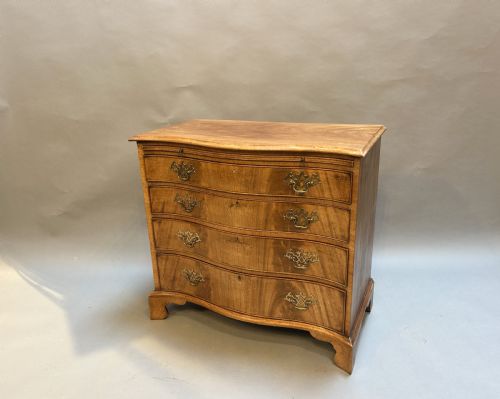
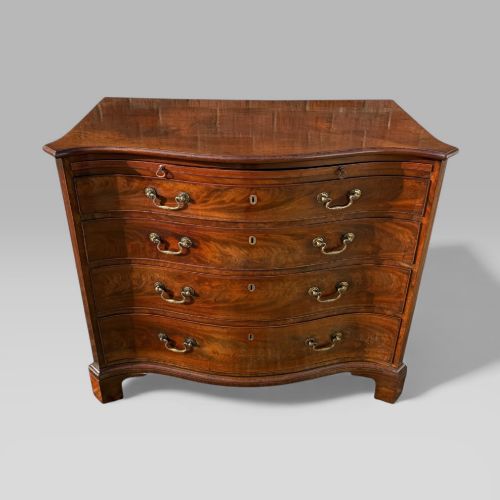
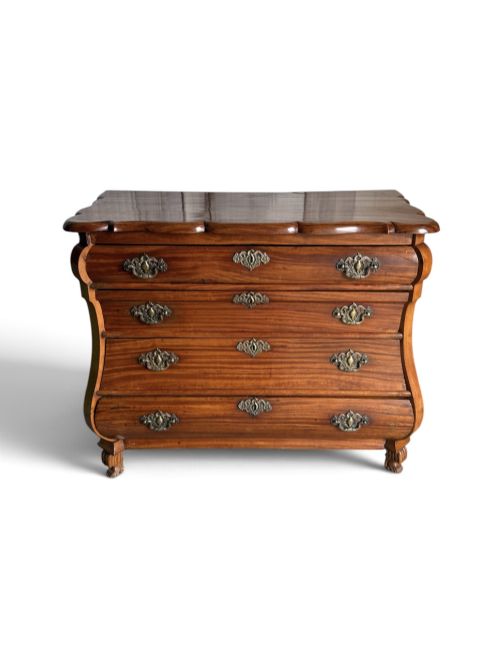
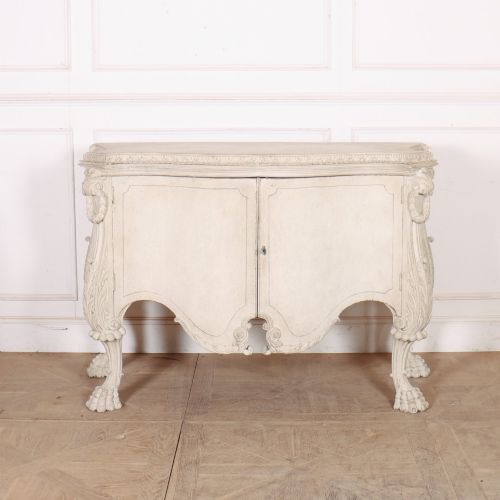
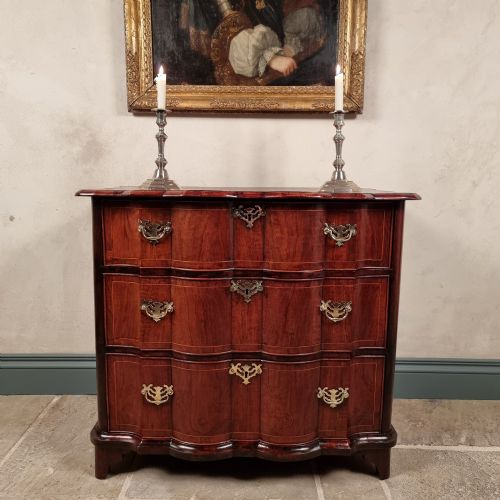
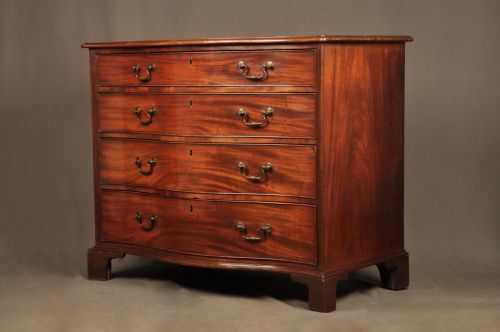
When you search for a serpentine wood commode, you encounter low storage furniture defined by a sinuous front that curves outward at the sides and inward at the centre. These pieces appear most frequently in mahogany, walnut and painted finishes across periods ranging from the eighteenth century to the twentieth century.
Makers shaped these chests of drawers, side cabinets and commodes with distinct regional characters, spanning Georgian English workshops, French provincial origins, and Italian rococo designs. The listings also show revival iterations from the Edwardian era and the nineteen-twenties constructed in walnut, oak and cherrywood.
How they were made
Cabinetmakers constructed these undulating forms using solid timbers and carefully selected veneers such as mahogany, walnut, kingwood and satinwood applied over secondary woods. They integrated brass handles, escutcheons and occasionally marble tops to complete the structure.
The characteristic sweeping outline required precise hand-cutting of drawer fronts and carcases to maintain smooth, continuous curves. Marquetry inlay, hand-painted decoration and carved detailing were frequently employed on French and revival pieces.
Serpentine Wood Commode Retail Price Guide 2026
Typical asking prices for serpentine wood commode among the pieces listed under this phrase on Sellingantiques today, from the lower quarter to the upper quarter. They describe what is for sale here now, not the wider market.
Listings for a serpentine wood commode span eighteenth-century Georgian origins through to nineteen-twenties revivals, utilising mahogany, walnut, oak and marble.
What varies in quality
The grade of a piece rests upon the fluidity of the carved outline and the selection of figured timber grain across the drawer fronts. Superior examples demonstrate rigorous joinery where the complex curved drawers operate smoothly within the carcase.
Original hardware, untouched surface patination and the crispness of decorative carving or marquetry separate exceptional period items from later revival interpretations.
The Serpentine Wood Commode Glossary
- Serpentine
- A furniture front shaped with a convex centre flanked by concave sides, or vice versa, creating an undulating outline. This contour demands advanced woodworking skill to execute properly.
- Commode
- A low chest of drawers or cabinet, originating in France. The term frequently applies to decorative European storage pieces with serpentine or bombe profiles.
- Bombe
- A swollen, bulging contour in the sides and front of a piece of furniture. This form appears frequently on continental commodes from the eighteenth and nineteenth centuries.
- Brushing slide
- A pull-out shelf integrated into the upper section of a chest of drawers. It served eighteenth-century users for dusting garments or writing letters.
- Marquetry
- The art of applying decorative pieces of veneer to a structure to form intricate pictorial or geometric designs. It appears on French and revival commodes in the listings.
Serpentine Wood Commode: Frequently Asked Questions
What is a serpentine wood commode?
A serpentine wood commode is a low storage chest or cabinet featuring a curved, wave-like front profile. These pieces combine practical drawer space with sculptural elegance.
They emerged in various European and British styles, utilising timbers like mahogany and walnut to highlight the flowing lines.
How do I date a serpentine chest?
Dating relies on examining the timber species, construction methods, handles and secondary woods inside the drawers. Eighteenth-century examples display hand-cut dovetails and period-specific proportions.
Revival pieces from the Edwardian era or the nineteen-twenties often emulate earlier Georgian or Louis XV styles using machine assistance or later hardware.
Where were these commodes used?
Historically, these items served in principal reception rooms, bedchambers and hallways for storing linens, clothing or documents. Their decorative fronts suited formal domestic interiors.
Today, they function effectively as sideboards in living spaces or statement storage pieces in bedrooms.
What is the difference between a commode and a chest of drawers?
While both provide drawer storage, a commode typically denotes a lower, more decorative European cabinet often topped with marble or elaborate marquetry. A chest of drawers is a broader British term encompassing standard upright storage.
Both categories overlap significantly when featuring the signature serpentine front.