




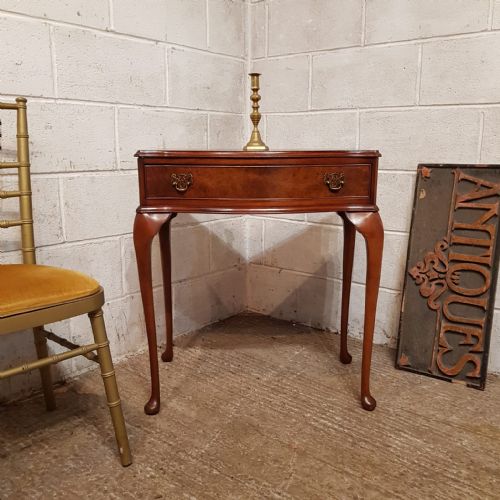


Serpentine Front Drawer Table
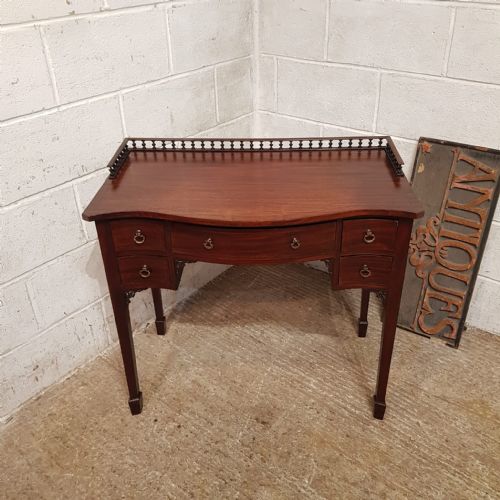
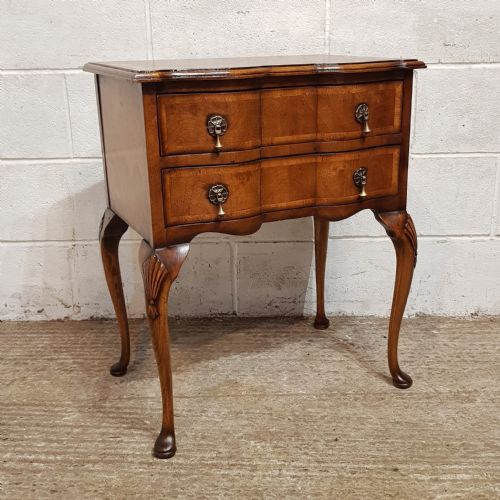
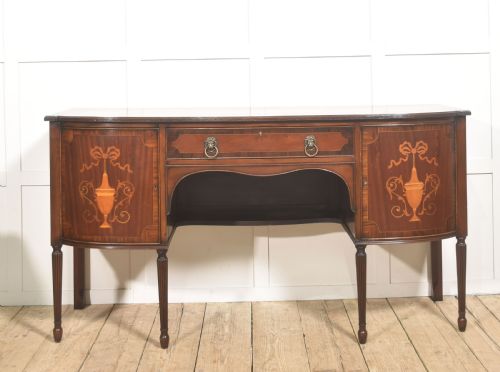
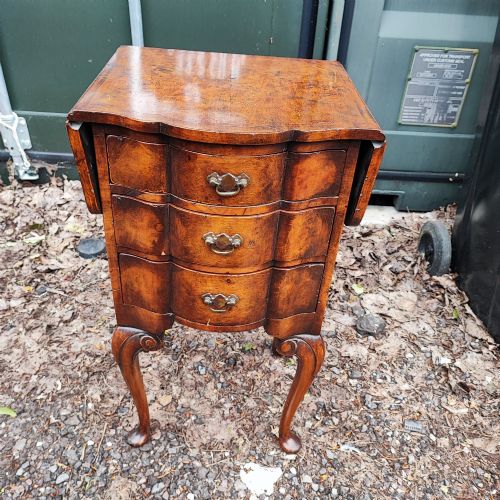
A serpentine front drawer table brings flowing movement and compact utility to a room through its undulating silhouette and fitted drawers.
Serpentine Front Drawer Table
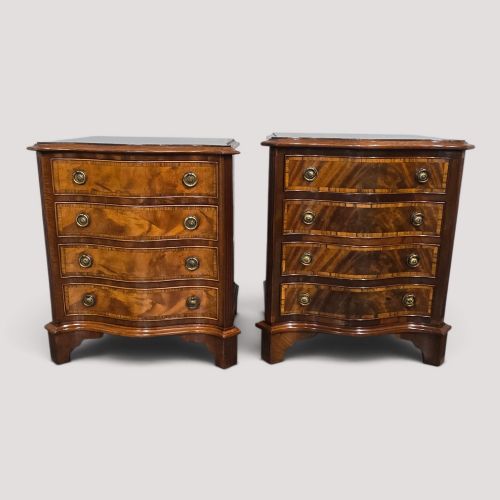
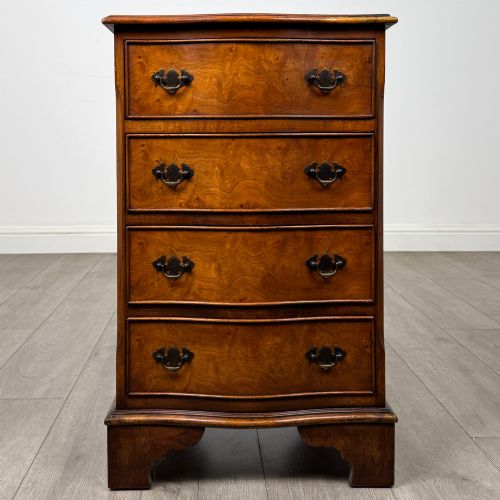
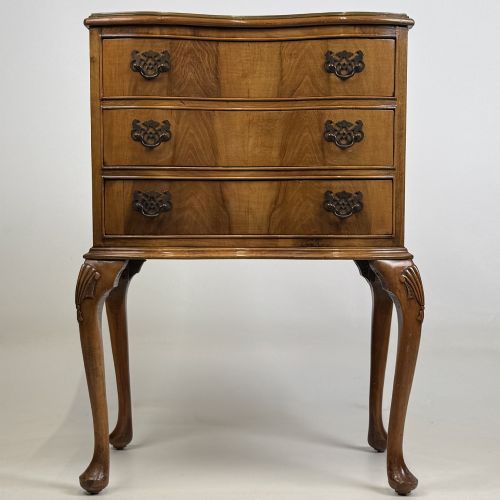
A serpentine front drawer table encompasses several distinct forms designed for storage and display, featuring the characteristic curving front that defines the search phrase. These items emerge primarily from the eighteenth and nineteenth centuries, alongside Edwardian and later twentieth-century interpretations.
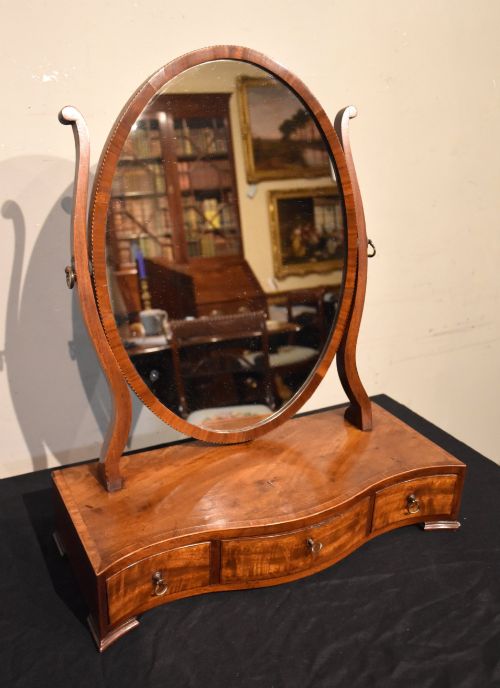
Bedside chests, side tables, writing desks, and dressing mirrors constitute the primary iterations found within this grouping. Mahogany and burr walnut dominate the construction, often accompanied by brass hardware and leather inserts.
Stylistic influences span Georgian, George III, Queen Anne Revival, and Italian Rococo. Buyers frequently encounter smaller bedside cabinets and dressing table mirrors reflecting these classic periods.
How they were made
Cabinet makers utilised solid timbers alongside wood veneers, carefully shaping mahogany and burr walnut over curved frames to achieve the undulating serpentine outline. Brass handles, escutcheons, and occasional leather top inserts completed the functional elements of the design.
Surfaces were finished to highlight the natural grain of the timber, particularly on burr walnut and figured mahogany pieces. Gallery surrounds and inlaid details added both structural containment and visual refinement.
Some miniature dressing mirrors include secret compartments hidden behind tiny drawers, perfect for keeping small treasures safe.
What varies in quality
The refinement of the curved drawer fronts and the symmetry of the timber grain determine the upper tier of these pieces. Fine craftsmanship is evident in how smoothly drawers operate and how cleanly the wood veneers follow the complex serpentine contour.
Proportion and the handling of secondary woods also distinguish superior examples from standard production. Original hardware, such as brass pulls and hinges, elevates an item, while later replacements or heavy restoration alter the integrity of the piece.
The Serpentine Front Drawer Table Glossary
- Serpentine front
- A furniture front characterised by a central convex curve flanked by two concave curves, creating an undulating outline. This shape requires advanced cabinet-making skill to execute across drawers and frames.
- Burr walnut
- Timber taken from the wart or burl growth on a walnut tree, producing intricate, swirling grain patterns. It was favoured for high-status cabinet work and decorative veneer surfaces.
- Dressing mirror
- A small mirror mounted on a pivoting frame above a box base or miniature chest of drawers. These items sat atop larger tables or chests for personal grooming.
- Kneehole desk
- A writing desk featuring a recessed central space for the legs, flanked by pedestals of small drawers. They offer compact workspace and compartmentalised storage.
- Three-quarter gallery
- A raised wooden border running along three sides of a table top to prevent items from rolling off. It is commonly found on dressing tables and serving surfaces.
Serpentine Front Drawer Table: Frequently Asked Questions
Where should I place a serpentine side table?
These tables suit hallways, living rooms, or bedrooms where their curved profile softens rigid corners and provides useful surface space.
Their compact scale allows them to fit comfortably against walls without dominating smaller interior layouts.
How do I care for a mahogany table?
Dust the timber regularly with a soft, dry cloth and avoid placing the piece in direct sunlight or near heat sources.
Applying a traditional beeswax polish periodically helps maintain the lustre of the wood without building up heavy residues.
Are these tables suitable for daily use?
Most pieces remain robust enough for everyday tasks, particularly writing desks and bedside chests designed for practical storage.
Care should be taken with leather tops and veneered surfaces to prevent moisture marks and scratching.
How can I tell an 18th century piece apart from later revivals?
Examine the construction methods, secondary timbers inside the drawers, and the natural wear patterns on the wood finish.
Revival pieces from the Edwardian era or the twentieth century often display machine-cut elements and different internal framing compared to Georgian originals.