


Sepia Painting
When you search for a sepia painting, you enter a monochrome world of warm browns and ink washes spanning the eighteenth to the twentieth centuries.
Sepia Painting
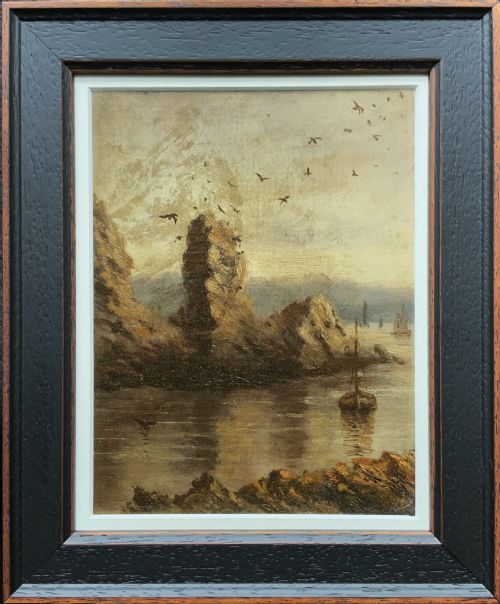
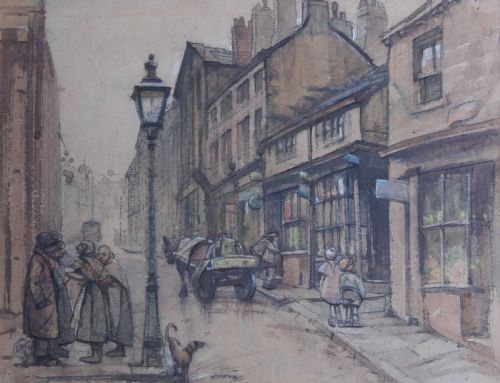
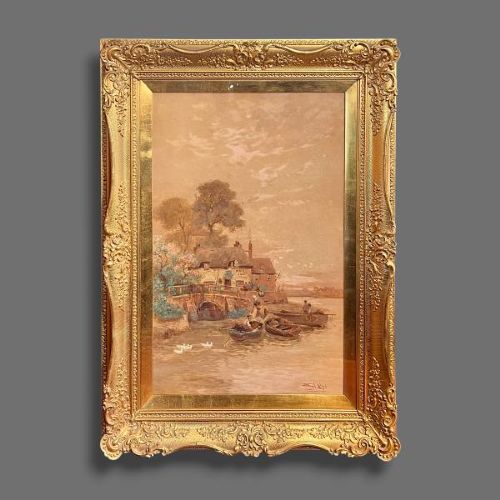
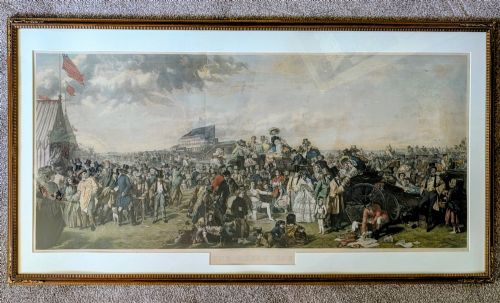
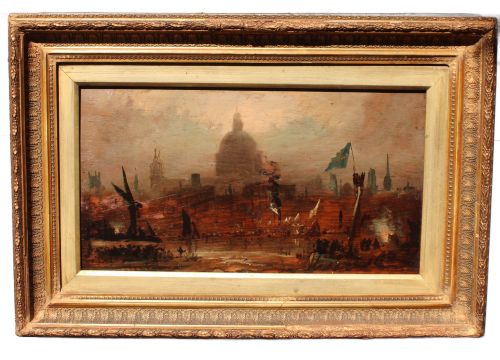
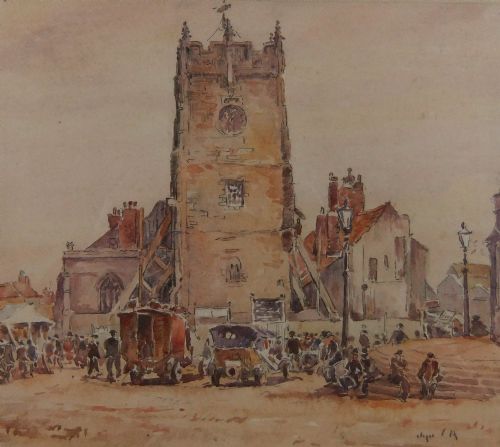
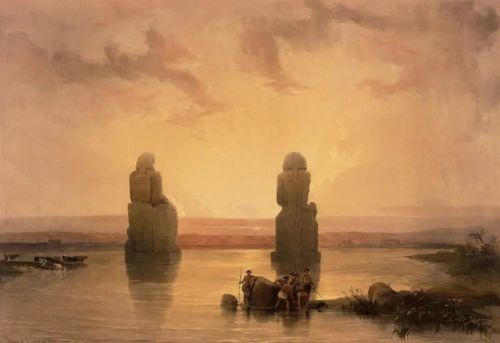
A sepia painting sits among works on paper, framed artwork, and watercolours produced across the Georgian, Victorian, and Edwardian eras. These pieces capture townscapes, maritime scenes, and historical subjects executed in monochrome tones.
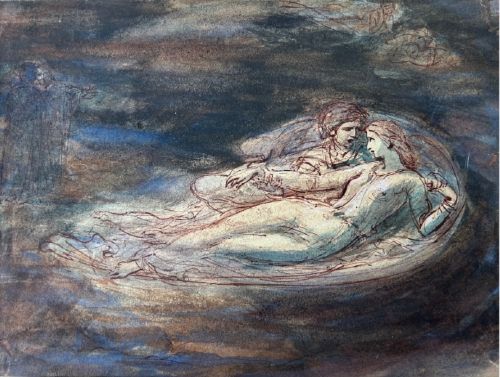
The selection frequently includes nineteenth-century watercolours, ink and wash sketches, and charcoal drawings. Artists utilised restricted brown pigments to build tone and depth without relying on a full colour palette.
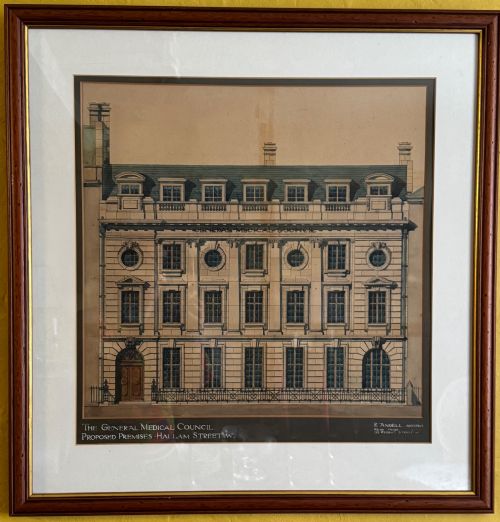
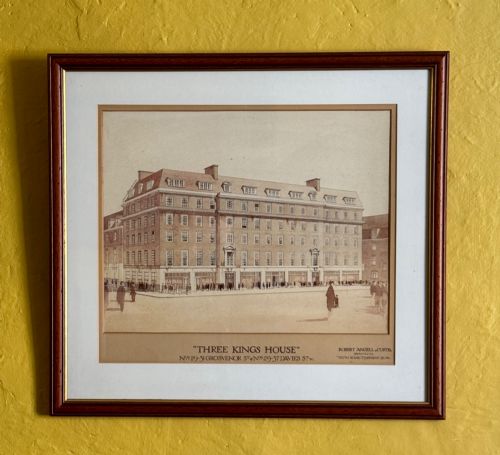
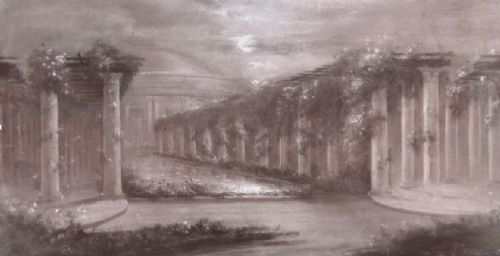
Works range from intimate architectural designs to large-scale topographical views and portraits. Buyers encounter both signed original sheets and archival studies rooted in British and continental traditions.
How They Were Made
Makers applied watercolour pigment, ink, and charcoal directly onto paper or prepared canvas surfaces. Sepia tone traditionally derived from the ink sac of the cuttlefish, creating rich, stable brown hues that resisted fading.
Artists layered wash techniques to achieve shadow and gradation, often combining pen and ink outlines with fluid watercolour washes. Paper supports range from heavy handmade sheets to stretched canvas foundations.
Framing frequently incorporates traditional wood mouldings, glass protection, and sometimes giltwood accents to preserve the delicate paper components from atmospheric damage.
Sepia Painting Retail Price Guide 2026
Typical asking prices for sepia painting among the pieces listed under this phrase on Sellingantiques today, from the lower quarter to the upper quarter. They describe what is for sale here now, not the wider market.
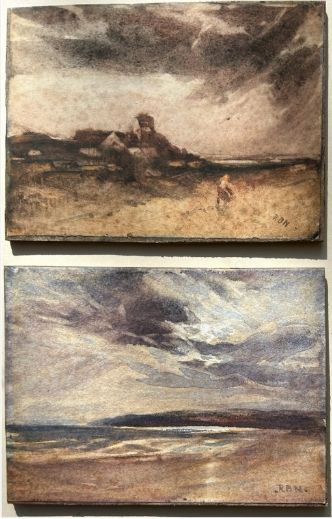
The selection includes architectural designs, marine sketches, townscapes, and portraits executed in distinct monochrome brown tones.
What Varies in Quality
The strength of composition and the certainty of the artist's brushwork dictate the standing of a piece. Skilled draughtsmanship shows in the confident execution of perspective, line, and tonal transition.
The preservation of the paper support and the depth of the monochrome pigment heavily influence overall merit. Clean sheets without heavy foxing or acid staining retain the maker's intended contrast.
Attribution to a recorded hand or strong provenance connects individual sheets to recognised regional schools and established historical movements.
Robert Buchan Nisbet·Cuthbert Crossley·Stuart Lloyd·Bruce Bairnsfather·Hans Harlander·James Smetham·David Roberts·Frank William Scarbrough·John Smith Atherton·Flight And Barr·Robert Leslie Howey·John Crewe·Sir Joshua Reynolds·Richard Harry Carter·Alexandre-Louis Martin·Charles James Lauder·Marie Huet Villiers·Francis Wheatley·J W Hogley·John Augustus Atkinson·C Lainé·George Arthur Fripp·Leslie Rackham·William Wyld·Henry Barlow Carter
The Sepia Painting Glossary
- Sepia
- A brown pigment derived from the cuttlefish, used extensively for monochrome drawing and watercolour painting. It yields a warm, durable tone that defines these works.
- Wash
- A thin, transparent layer of diluted watercolour pigment or ink applied to paper. It creates smooth areas of tone and atmospheric depth.
- Works on paper
- A collective term for drawings, watercolours, prints, and sketches executed on paper supports. They require specific preservation methods away from direct sunlight.
- Mezzotint
- A printmaking process of the intaglio family where the plate is roughened to achieve rich dark tones and subtle gradations. It translates tonal paintings into printed editions.
- En grisaille
- Painting executed entirely in shades of grey or neutral greyish-brown monochrome. It often mimics the appearance of relief sculpture.
Sepia Painting: Frequently Asked Questions
What is a sepia painting?
A sepia painting is a monochrome artwork executed primarily in shades of brown pigment, often utilising ink, wash, or watercolour.
These pieces focus on tonal gradation and form rather than a wide spectrum of colours, creating a distinct historic atmosphere.
How do I care for works on paper?
Works on paper require protection from direct sunlight and high humidity to prevent fading and foxing.
Framing with acid-free mounts and UV-filtered glass ensures the delicate paper and pigment remain stable over time.
How can I tell the period of a piece?
Dating relies on examining the paper watermark, the framing style, and the costume or architecture depicted in the subject.
Stylistic conventions and the artist's recorded working dates also provide clear indicators of origin.
Where were these paintings displayed?
Historically, monochrome works served as preparatory studies, architectural designs, or finished pieces housed in domestic parlours.
Collectors mounted them in portfolios or framed them for display in libraries and drawing rooms.