


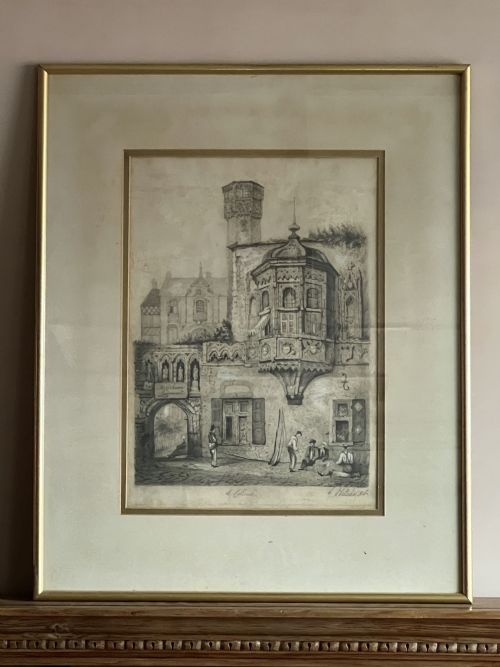


Sepia Ink Drawing
A sepia ink drawing brings monochrome depth and direct hand-drawn detail to your wall, spanning centuries of British and European draughtsmanship.
Sepia Ink Drawing
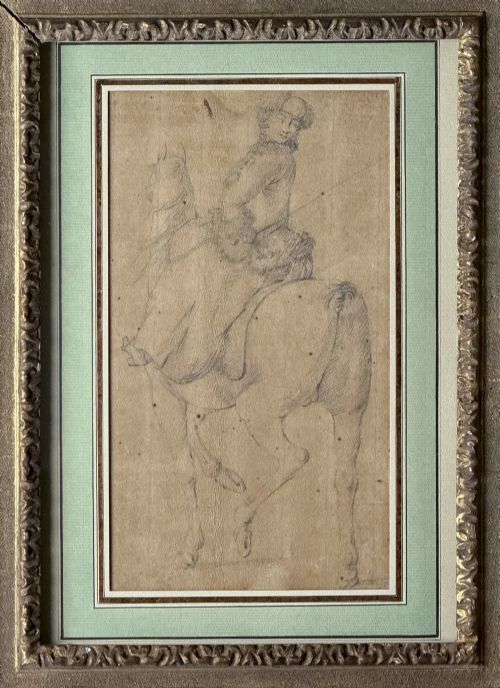
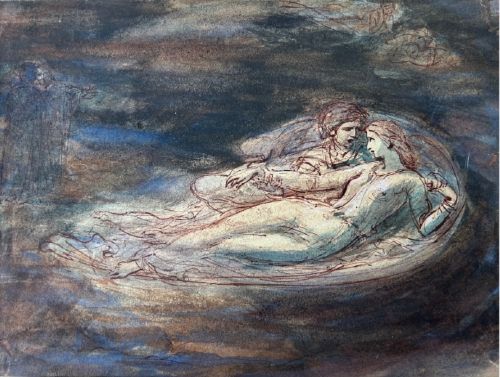
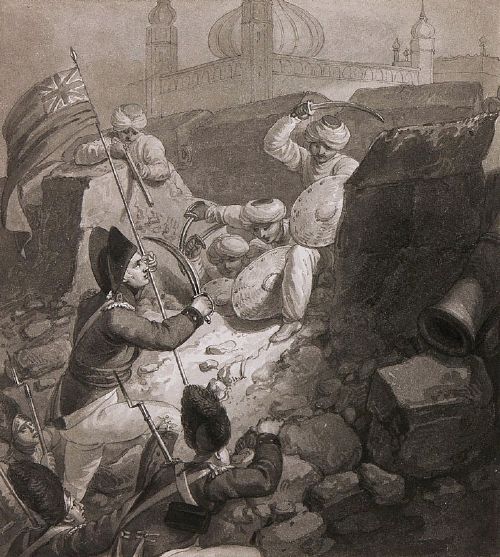
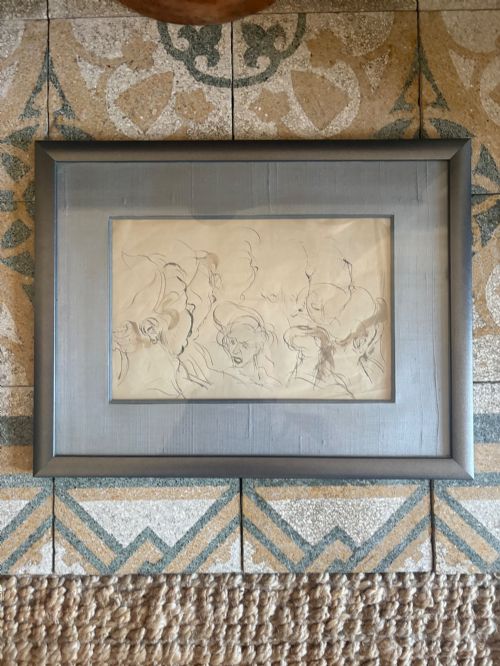
A sepia ink drawing captures tonal depth through brownish monochrome pigments applied directly to paper. You will encounter works ranging from eighteenth-century northern European equestrian studies and architectural elevations to nineteenth-century romantic sketches and twentieth-century townscapes.
The materials typically combine paper, ink, wash, and occasionally graphite or watercolour highlights. Framed artwork forms the primary presentation style across the selection on this page, preserving fragile works behind glass.
The periods represented span from the eighteenth century through the Georgian and Victorian eras into the twentieth century, including modernist British and French romantic examples.
Materials and technique
Artists utilise iron gall or sepia pigment inks applied with pens or fine brushes onto paper sheets. Washes of diluted ink or watercolour create shadow and atmospheric depth behind precise pen outlines.
Preparatory studies and finished works alike rely on graphite underdrawing to map composition before final ink application. Framed presentation behind glass protects these delicate paper supports from environmental damage.
Sepia Ink Drawing Retail Price Guide 2026
Typical asking prices for sepia ink drawing among the pieces listed under this phrase on Sellingantiques today, from the lower quarter to the upper quarter. They describe what is for sale here now, not the wider market.
One youthful architectural drawing preserves the meticulous hand of H.H. Wyatt, recorded as aged seventeen at the South Kensington School.
Assessing quality
Quality rests upon the sureness of the draughtsman's line and the control of tone within the wash. A confident preparatory study or expressive landscape demonstrates anatomical and spatial command that lesser hands miss.
The survival of the paper support and the clarity of the ink without excessive fading dictate the visual impact of the piece. Attribution to a recorded hand or school further elevates the standing of an individual drawing.
William Marshall Craig·Alfred Dehodencq·Thomas Rowlandson·Lawrence Stephen Lowry·Pio Panfili·Fred Lawson·Owen Bowen·Theobald Chartran·Henri Josephe Hesse·Joseph Hansom·John Thurtle·Thomas Monro·Thomas Lound
The Sepia Ink Drawing Glossary
- Sepia ink
- A brown pigment traditionally derived from the ink sac of the cuttlefish. It produces warm monochromatic tones favoured for drawing and wash.
- Wash
- A technique where diluted ink or watercolour is brushed across paper to create transparent layers of tone and shadow. It often accompanies pen and ink outlines.
- Preparatory study
- A preliminary drawing executed by an artist to plan a larger composition, painting, or architectural project. These works record the immediate thought process of the creator.
- Monochrome
- Artwork executed in a single colour or shades of a single colour, such as brown sepia or black ink on paper.
Sepia Ink Drawing: Frequently Asked Questions
How should I hang a sepia ink drawing?
Keep works on paper away from direct sunlight to prevent the sepia ink and paper support from fading over time. Utilise UV-filtering glass within the frame for additional protection.
Ensure your hanging wall maintains stable humidity levels to protect the historic paper from dampness or warping.
What is the difference between a sketch and a finished drawing?
A sketch or preparatory study prioritises rapid observation, experimentation, and capturing movement or form. These often show visible underdrawing and corrections.
A finished drawing presents a complete, polished composition intended as an independent work of art rather than a preliminary step.
How can I tell the period of a drawing?
Examine the paper watermark, the style of the script or signature, and the subject matter depicted. Architectural subjects and clothing styles often provide reliable chronological clues.
Compare the handling of the ink and wash techniques against known examples from specific artistic schools and centuries.
Are these drawings original or reproductions?
Every piece listed is an original artwork executed by hand on paper using ink, wash, or graphite. You can inspect the actual pen strokes and pigment pooling under magnification.
Historic prints occasionally appear as framed reference items, but the core selection consists of unique hand-drawn sheets.