



Seconds Dial Clock
A seconds dial clock brings precision timekeeping into your rooms, offering distinct subsidiary dials that measure elapsed seconds with mechanical clarity.
Seconds Dial Clock
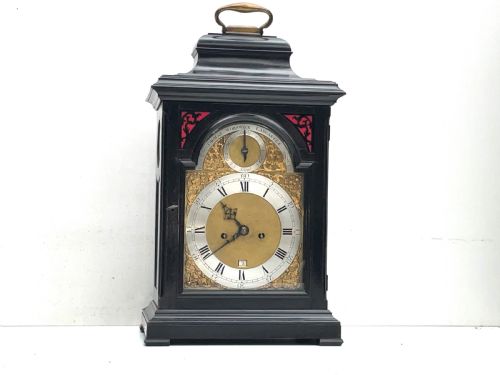
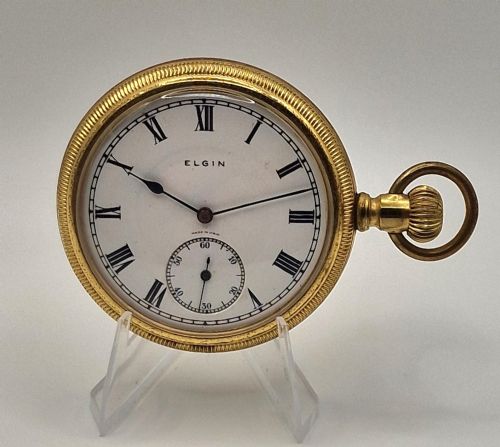
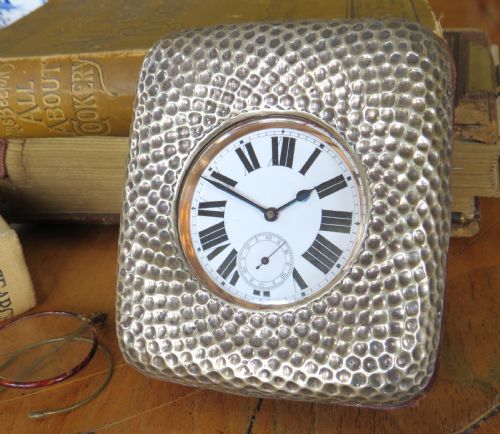
When you search for a seconds dial clock, you are looking at precision timepieces spanning pocket watches, wall clocks, carriage clocks, and marine chronometers from the eighteenth century through to the early twentieth century. These instruments incorporate a dedicated subsidiary dial solely for tracking seconds, separating this measurement from the main hours and minutes to aid navigation or scientific observation.
The versions you are most likely to meet on this page include French carriage clocks, nineteenth-century Vienna regulators, and early twentieth-century pocket watches. Materials range from brass, glass, enamel, and steel to ebonised wood, rosewood, gold filled cases, and nickel.
Stylistic origins stretch from Georgian and Regency eras through Victorian, Edwardian, and Art Deco periods. Each form reflects the specific domestic, travel, or scientific demands of its era while maintaining the prominent subsidiary seconds track.
How they were made
Makers constructed these movements using brass for plates and gear trains, paired with steel pivots and pinions to ensure durable engagement under constant tension. Enamel dials provide a crisp, white background for painted numerals and seconds graduations, protected beneath bevelled or flat glass crystals.
Cases utilise traditional cabinetmaking techniques in rosewood and ebonised wood, alongside heavy cast brass frames for carriage clocks and precision turned bezels for wall regulators. Movements incorporate specialised escapements, including verge and lever mechanisms, alongside striking trains on bells.
Seconds Dial Clock Retail Price Guide 2026
Typical asking prices for seconds dial clock among the pieces listed under this phrase on Sellingantiques today, from the lower quarter to the upper quarter. They describe what is for sale here now, not the wider market.
The selection includes pocket watches, wristwatches, carriage clocks, wall clocks, and mantel clocks.
What varies in quality
The calibre of the movement distinguishes the pieces, from standard commercial brass lantern clocks to complex marine chronometers and twin-weight Vienna regulators with fine escapements. The sophistication of the strike, such as quarter-striking systems on multiple bells, marks out higher execution.
Case finishing creates further distinction, visible in the depth of hand-engraving on a brass carriage clock case or the selection of timber veneers on a regulator wall clock. The legibility and preservation of the enamel seconds dial also dictate the overall integrity of the piece.
Litherland Davies Of Liverpool·Mathias Bauerle·Gustav Becker
The Seconds Dial Clock Glossary
- Seconds dial
- A small subsidiary dial on the clock face that tracks the passage of seconds independently from the hour and minute hands. This feature allows for precise reading of short durations.
- Verge movement
- An early mechanical escapement that regulates the speed of a clock by interacting with the crown wheel. It is commonly found in older bracket and wall clocks.
- Carriage clock
- A small, spring-driven portable timepiece designed for travel, typically featuring a brass frame inset with glass panels. Many include striking mechanisms and alarm functions.
- Marine chronometer
- A highly accurate portable timekeeper used historically for navigation at sea to determine longitude. These pieces are housed in specialised gimballed boxes.
- Vienna regulator
- A precision wall clock developed in Austria during the nineteenth century, known for its long pendulum, weight-driven movement, and glazed wooden case.
Seconds Dial Clock: Frequently Asked Questions
How do you wind a mechanical clock?
Mechanical clocks are wound using a specific key or winding arbor attached to the movement plates or dial face. Care must be taken not to over-wind the mainspring or weights.
Different models require different intervals, ranging from daily winding for pocket watches to weekly winding for wall regulators.
Where should I place a wall clock?
Wall clocks require a stable, vertical surface free from excessive vibration or fluctuating temperatures. Interior partition walls away from direct sunlight suit mechanical movements best.
Ensuring the wall is level helps the pendulum swing evenly and keeps the timekeeping accurate.
How do I identify the period of a clock?
Period identification relies on examining the case style, materials, dial construction, and movement signatures. Georgian and Regency pieces show different proportions and cabinet woods compared to Edwardian or Art Deco designs.
Maker signatures or stamps on the backplate often provide definitive dates or eras of manufacture.