



Second Empire Bronze
Second empire bronze brings together heavy gilt metals, marble and neoclassical forms for striking interior decoration.
Second Empire Bronze
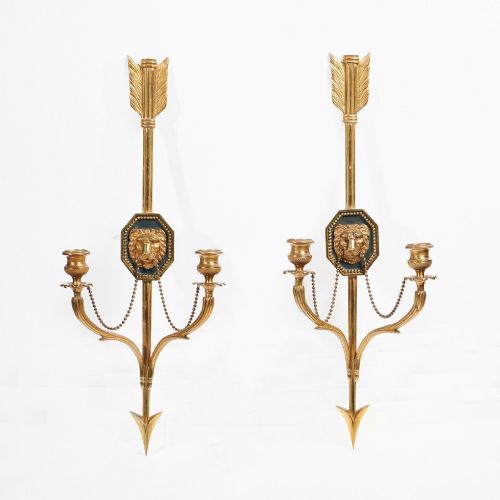
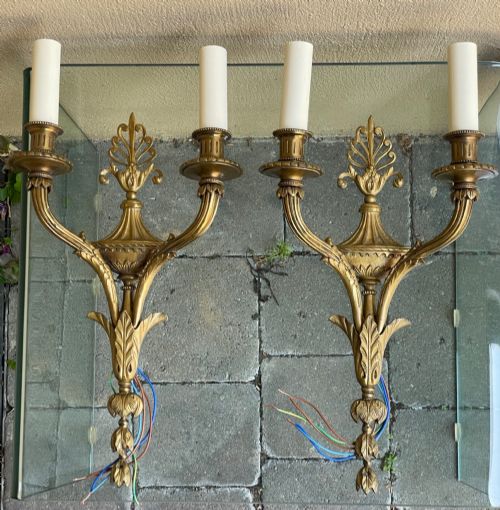
When you search for second empire bronze, you encounter decorative objects and furnishings originating predominantly from nineteenth-century France. The selection on this page centres on mantel clocks, candelabra, wall lights and figural sculptures embodying the ornate tastes of the Napoleon III era. These items combine utility with opulent display, reflecting the grand interiors of their period.
The objects you meet most frequently span gilt bronze, ormolu, patinated bronze and marble combinations. They range from small tabletop inkwells and picture frames to monumental mirrors and seating furniture mounted with bronze. Many pieces show direct continuity with earlier Empire styles alongside heavier Rococo Revival flourishes.
How they were made
Makers shaped these items using cast bronze, which was frequently finished with mercury gilding or ormolu to produce a brilliant golden surface. Patinated bronze provided darker, contrasting tones on figural sculptures and torchères, highlighting sculptural detail through varied textures.
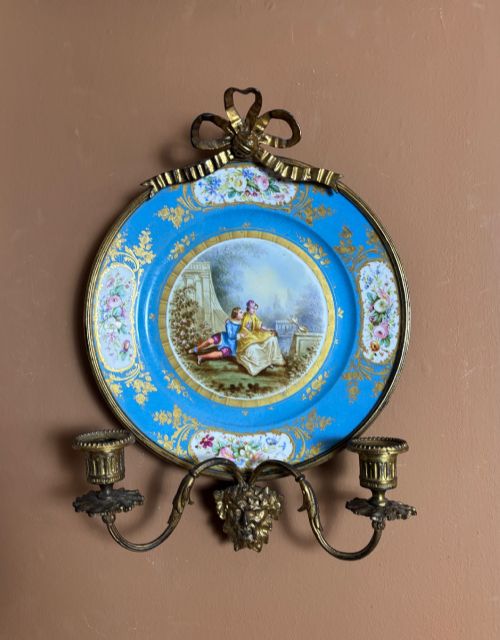
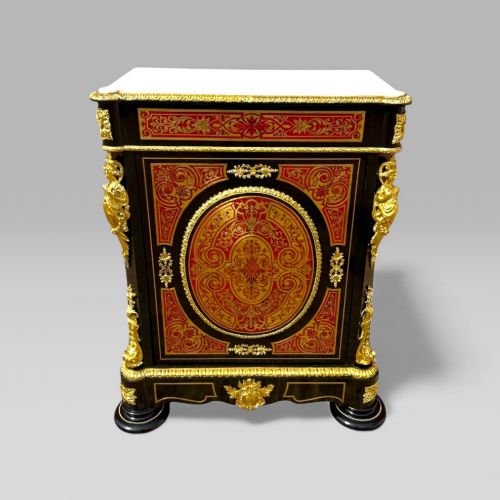
Craftsmen mounted these metal elements onto contrasting materials including rouge marble, ebonised wood, mahogany, porcelain and enamel. Complex pieces often combined cast metalwork with tortoiseshell or Boulle marquetry, requiring collaboration between bronze founders, cabinet makers and horologists.
Listings feature nineteen-century French items pairing bronze and ormolu with marble, porcelain and mahogany.
What varies in quality
Material selection and structural integration also determine the hierarchy of these objects. Heavy mounts securely pinned to dense marble or solid mahogany demonstrate superior workshop standards compared to lighter secondary metals affixed to veneered carcases.
Japy Frères·Tahan of Paris·Auguste Cain·Charpentier Paris·Deniere and Cailleaux·Albert Carrier Belleuse·Krieger
The Second Empire Bronze Glossary
- Ormolu
- Gilt bronze produced by applying a mixture of gold amalgam to a bronze base and heating it to vaporise the mercury. This technique creates a durable, bright golden finish characteristic of French decorative metalwork.
- Patinated bronze
- Bronze treated with chemical solutions to produce a controlled surface colour such as dark brown or green. This finish allows sculptors to create tonal contrast against bright ormolu mounts.
- Boulle
- A style of marquetry using brass and tortoiseshell inlaid in contrasting patterns. It appears frequently on Napoleon III cabinets and furniture mounted with bronze.
- Candelabra
- Branched lighting fixtures designed to hold multiple candles. In this category, they often take figural forms involving cherubs or classical figures.
- Mantel clock
- A household clock designed to sit on a fireplace shelf. These examples pair movement housings with elaborate gilt bronze cases and porcelain dials.
Second Empire Bronze: Frequently Asked Questions
What is second empire bronze?
Second empire bronze refers to decorative metalwork, clocks, lighting and sculptures produced in France during the mid-nineteenth century under Napoleon III.
These pieces draw heavily on earlier Neoclassical and Empire vocabulary while incorporating lavish Rococo Revival ornamentation and mixed materials like marble.
How do I identify a Napoleon III clock?
Napoleon III clocks typically feature heavy gilt bronze or ormolu cases mounted onto rouge marble or ebonised wood bases. Dial faces often include painted enamel numerals and intricate hands.
Many incorporate figural groups, cherubs or classical motifs cast in bronze, occasionally bearing maker stamps from prominent Parisian workshops.
Where were these pieces used?
These items belonged in formal nineteenth-century reception rooms, salons and libraries. Mantel clocks and candelabra sat atop fireplaces, while wall lights and sconces illuminated panelled walls.
Larger items like pier cabinets and library desks served as functional furniture elevated by extensive bronze mounts.
How do I care for gilt bronze?
Gilt bronze and ormolu require gentle dusting with a soft, dry brush to prevent the accumulation of dirt within chased crevices. Avoid all chemical cleaners, water and abrasive cloths, which strip the delicate gold surface.
Marble components benefit from occasional wiping with a damp cloth followed by immediate drying.