



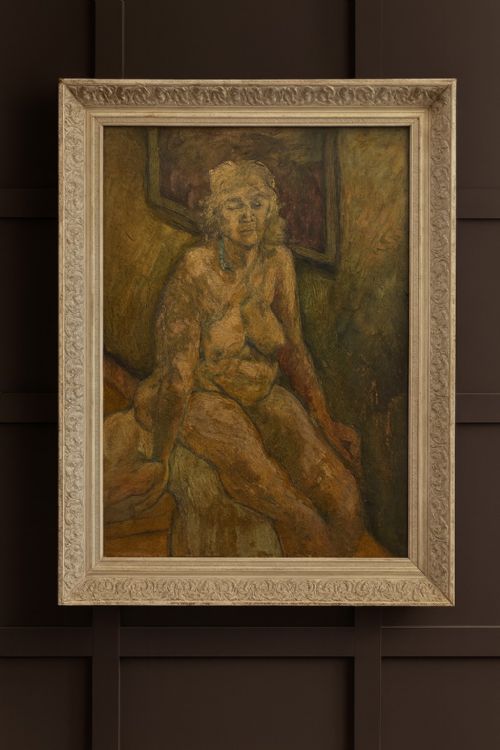
Seated Female Portrait
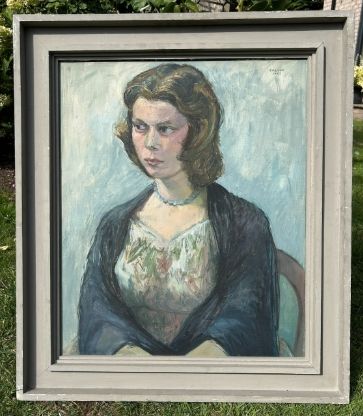
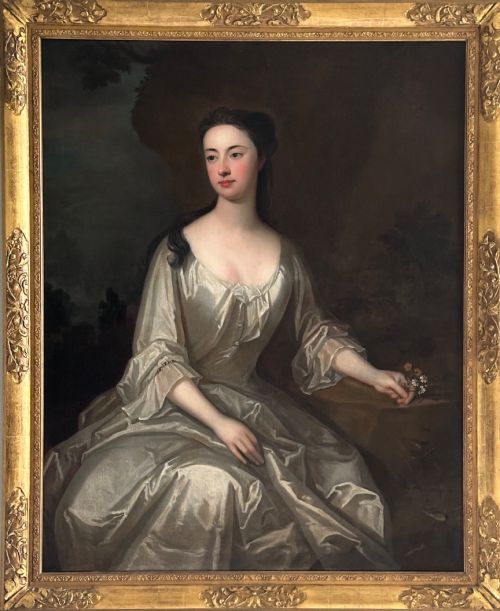
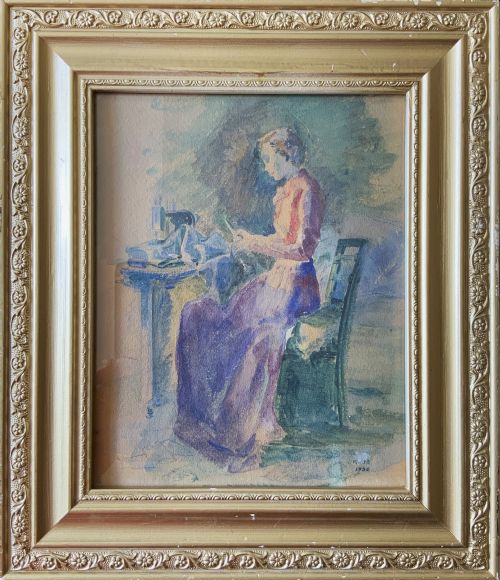
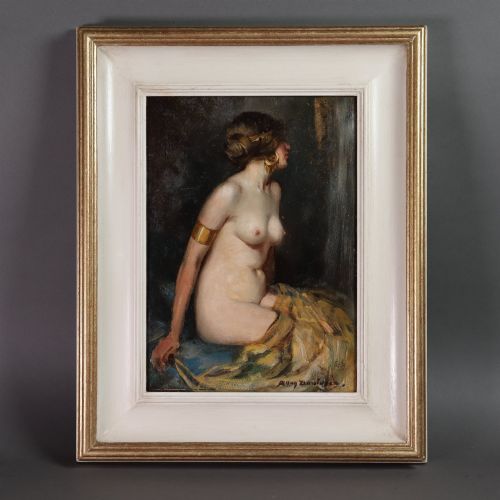
A seated female portrait captures character and pose through oil, pastel, or watercolour across multiple centuries.
Seated Female Portrait
A seated female portrait brings together sitter and artist across periods spanning the eighteenth century to the mid-twentieth century. Buyers encounter oil paintings on canvas, watercolours on paper, and pastels showing subjects from formal Regency ladies to mid-century models.
The selection ranges from early eighteenth-century English works to mid-century impressionist and modern British paintings. Figures appear in domestic interiors, landscapes, or studio settings.
Canvases and boards display diverse approaches, including traditional academic realism, art deco compositions, and mid-century modern interpretations. Each piece records the changing fashions of dress, from white cotton dresses and coral necklaces to satin evening gowns and 1920s attire.
Materials and methods
Artists built these images using oil paint applied to stretched canvas or wooden board, often sealing the surface with varnish. Canvas provides a textured ground that holds thick brushstrokes, particularly visible in mid-century expressionist and impressionist examples.
Works on paper utilise watercolour, pastel, or stipple work techniques to achieve softer transitions of tone and delicate facial expressions. Pastels capture powdery textures on paper, while watercolours rely on fluid washes of pigment.
Frames play a structural role, frequently utilising gilded wood to complement the painted composition and protect the edges of the canvas or board.
Several ladies share their seating arrangements with blue necklaces, white dresses, hats, and even a supportive feline companion.
Distinctions in execution
Compositional balance separates routine portraiture from exceptional examples, as skilled artists integrate the seated figure harmoniously within the surrounding landscape or interior setting. The handling of light across fabric and skin reveals the painter's control over tone and atmosphere.
Kenneth Cozens·Adriana Verelst·Augustus John·Allan Douglas Davidson·Smith of London·John Raphael Smith·Gainsborough·Pinchus Kremegne·Dod Proctor·Raymond Arthur Roadnight·William Owen·Muriel Metcalfe·Auguste Renoir·Sonia Mervyn·John Gilroy·Gaston Bouy·Walter Goodin
The Seated Female Portrait Glossary
- Oil on Canvas
- Pigment mixed with drying oil applied to a woven fabric support. This combination allows for rich colour blending and impasto texture.
- Pastel
- A dry medium composed of powdered pigment and a binder formed into sticks. It produces velvety surfaces requiring protection behind glass.
- Academic Realism
- A style of painting produced under the influence of European academies of art. It emphasises precise drawing, smooth finishes, and traditional subject matter.
- Stipple Work
- A technique of building up tone and texture with small dots or short strokes of paint. This method creates subtle gradations of shadow on skin and fabric.
- Impressionism
- A nineteenth-century movement characterised by relatively small, thin, yet visible brush strokes and open composition. It prioritises accurate depiction of light in its changing qualities.
Seated Female Portrait: Frequently Asked Questions
How do I identify the period of a seated female portrait?
Examine the clothing, hairstyle, and framing of the sitter, alongside the stretcher bars and canvas preparation on the reverse. Costume changes, such as high-waisted Regency gowns or 1920s flapper attire, offer immediate chronological clues.
Paint pigments, canvas types, and artist signatures or inscriptions further anchor the work within centuries like the eighteenth or mid-twentieth.
Where were these portraits displayed historically?
Portraits hung primarily in the reception rooms, drawing rooms, and galleries of country houses and urban residences. Commissioned works recorded family lineages and social standing.
Later works from the twentieth century often served as studio studies, exhibition pieces, or private records of friends and models.
How should I care for an antique oil portrait?
Keep paintings away from direct sunlight, high humidity, and rapid temperature fluctuations to prevent the canvas from slackening and the paint layer from cracking. Avoid touching the painted surface directly.
Dust gently with a soft, dry brush and consult a professional conservator if cleaning or structural repair to the canvas becomes necessary.
What is the difference between an oil and a pastel portrait?
Oil paintings use pigment suspended in oil on canvas or board, creating a durable, stable surface that can be cleaned with appropriate care. Pastels consist of dry pigment sticks applied to paper.
Pastel works remain extremely fragile and require glazing under glass to protect the powdery pigment from physical disturbance.