





Sea Watercolour Painting
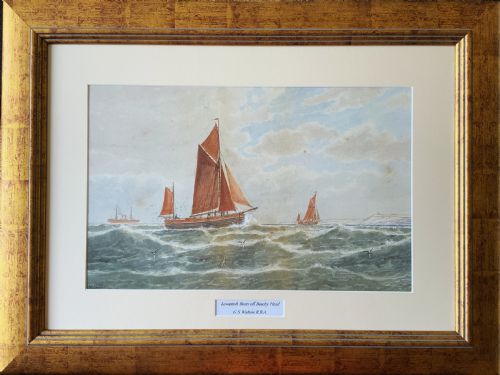
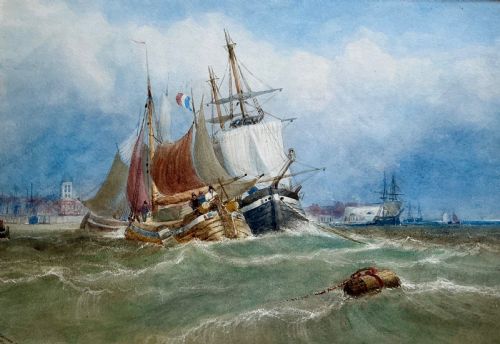
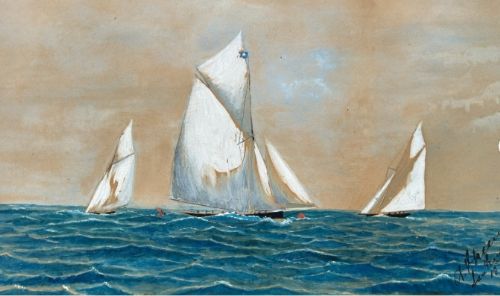
When acquiring a sea watercolour painting, you secure an original maritime artwork capturing coastal vessels, harbour scenes, and open waters across the nineteenth and twentieth centuries.
Sea Watercolour Painting
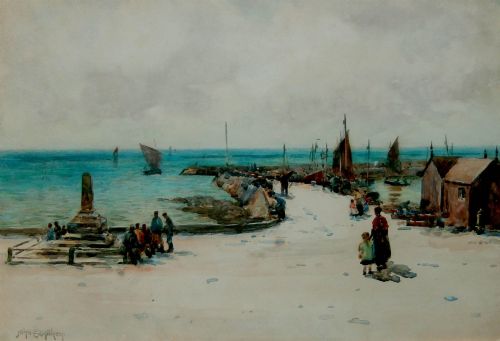
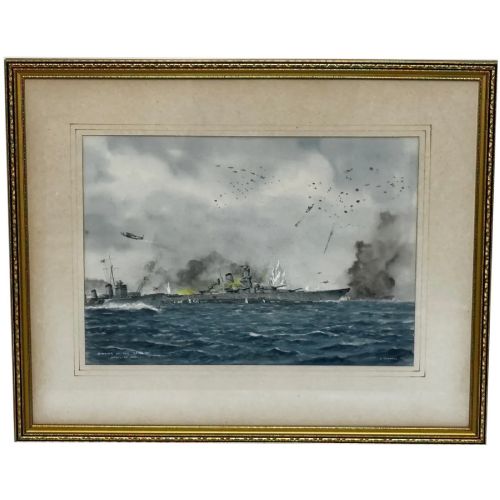
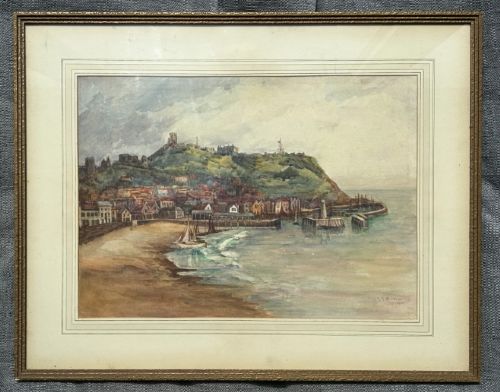
A sea watercolour painting depicts coastal geography, shipping lanes, and maritime industry through the specific lens of British and European plein-air and studio traditions. These works range from tightly detailed nineteenth-century depictions of naval vessels to impressionistic early twentieth-century harbour views.
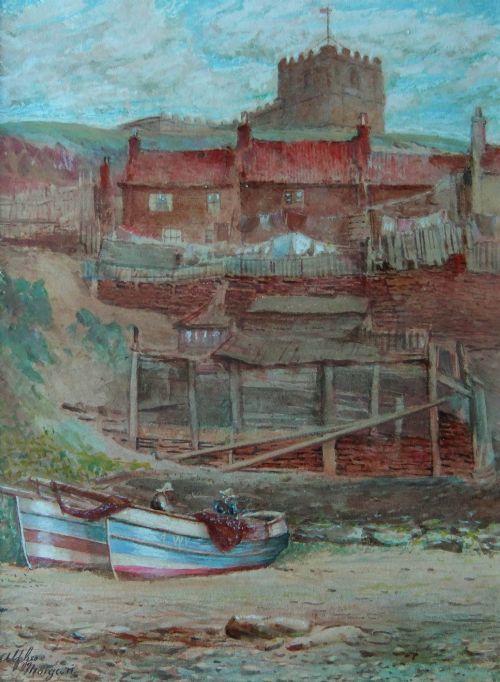
The pieces available on this page lean heavily into Victorian marine art and Edwardian coastal scenes, featuring familiar fishing ports like Whitby, Scarborough, and St Ives alongside choppy open-sea studies. Collectors encounter both finished gallery watercolours and spontaneous artist sketches executed directly on location.
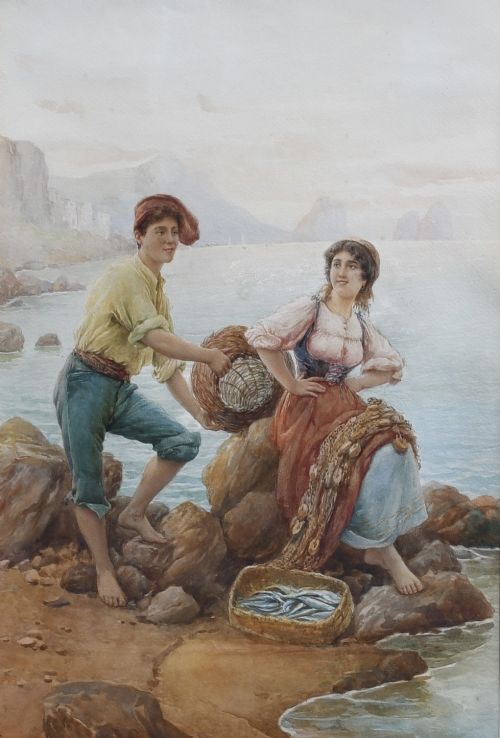
Subjects encompass working sailing vessels, steamships, lighthouses, and local fisherfolk labouring on shores and piers. Artists utilised the medium to record the changing moods of British coastal waters, from sunlit summer calms to dramatic storms.
How They Were Made
Artists painted primarily on heavy-weight fibrous paper using water-soluble pigments combined with gum arabic for transparency and depth. Many works incorporate subtle preparatory pencil or ink underdrawings to map out complex rigging, hull structures, and architectural elements.
To capture highlights on crashing waves and cresting foam, painters skilfully utilised gouache or scraped away the top layer of paper to reveal the white ground beneath. Finished watercolours were typically mounted behind glass within timber frames, frequently accented by gilt wood mouldings to complement the tonal range.
Listings feature works executed on paper using watercolour pigment and ink, housed within original wood and gilt wood frames.
What Varies in Quality
Technical mastery over the fluid medium dictates the upper tiers of quality, separating confident, expressive brushwork from stiff, laboured execution. Superior works demonstrate an innate understanding of atmospheric perspective, rendering shifting light on water and distant coastal haze with genuine economy of mark.
Compositional strength and historical specificity also divide the range, as accomplished marine artists accurately delineate vessel rigging, hull proportions, and tidal movements rather than relying on generic formulas. The preservation of the paper support, maintaining vibrant pigment saturation without excessive fading or foxing, further elevates a piece.
James Orrock·Charles Edward Dixon·John E. Aitken·Eric Tufnell·William Banks Fortescue·Alfred G. Morgan·Carlo Ferranti·George Stanfield Walters·Henry Barlow Carter·George F Pennington·William Lee Hankey·William Frederick Settle·William Tuck·John McDougal·Samuel Owen·Frederick Stuart Richardson·George Hamilton Constantine·Thomas Bush Hardy·Percy Brooke·William Kay Blacklock·Julian Drummond·James George Bingley·Eugene Boudin·Joseph Newington Carter·William Boyce
The Sea Watercolour Painting Glossary
- Foxing
- Small brownish spots caused by chemical reactions in the paper over time. This common ageing process occurs frequently in older works kept in damp conditions.
- Gouache
- An opaque water-based paint often used alongside transparent watercolour. Painters apply it to introduce solid highlights and dense areas of colour.
- Gilt wood
- Timber framing coated with a thin layer of gold leaf or metallic gilt paint. Such frames protect the paper and enhance the visual weight of the painting.
- Provenance
- The documented history of ownership associated with an artwork. Clear records help establish authenticity and past exhibition history.
- Seascape
- A work of art depicting the sea, coastlines, and maritime activities. These subjects formed a major focus for British watercolourists throughout the Victorian era.
Sea Watercolour Painting: Frequently Asked Questions
How do I date a sea watercolour painting?
Examine the costume of any figures depicted, the types of vessels on the water, and any inscriptions or signatures verso. Stylistic markers and framing materials also provide reliable clues to the era of execution.
Paper quality and watermarks can further narrow down the decade in which the piece was created.
Where should I hang these watercolours?
Display works away from direct, harsh sunlight to prevent the pigments from fading over time. Maintaining stable indoor humidity protects both the delicate paper and the surrounding frame.
Pairing historical maritime paintings with neutral wall colours allows the subtle blues and greys of the water to stand out.
What subjects appear most often?
Common subjects include bustling British fishing harbours, coastal cliffs along Yorkshire and Cornwall, and tall-masted ships navigating choppy seas. These scenes reflect the nation's deep historical ties to maritime trade and coastal life.
Artists frequently recorded daily harbour activities like hauling seaweed or waiting for the fishing fleet to return.
Are these paintings always signed?
Signatures appear on many works, often inscribed neatly in the lower corner using ink, watercolour, or pencil. Monograms and artist stamps also help identify the hand behind the brush.
Unsigned pieces remain common, frequently attributed to specific schools or periods based on technique and subject matter.