


Scumbled Pine Bedroom Drawers
Scumbled pine bedroom drawers offer honest country storage and decorative painted character for any room.

Scumbled Pine Bedroom Drawers
Scumbled pine bedroom drawers provide practical storage through sturdy chests built in nineteenth century country and Victorian styles. These pieces combine simple utilitarian forms with decorative surface treatments that imitate richer timbers.
The chests of drawers available here date predominantly from the nineteenth century, including Victorian examples and specific periods around eighteen eighty and nineteen hundred. Pieces arrive in various regional British designs, ranging from plain country workshop builds to more finished country house furnishings.
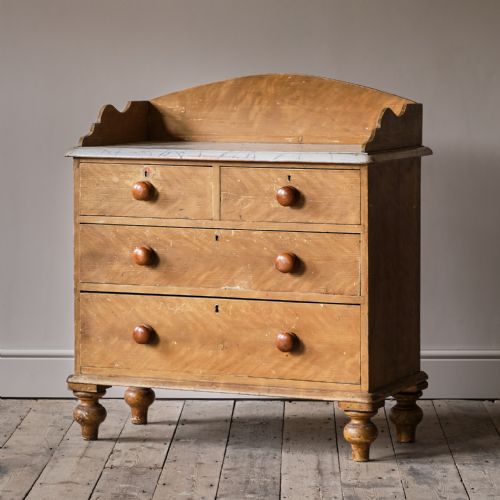
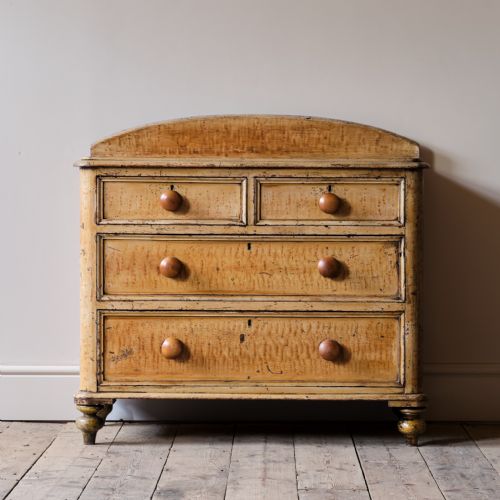
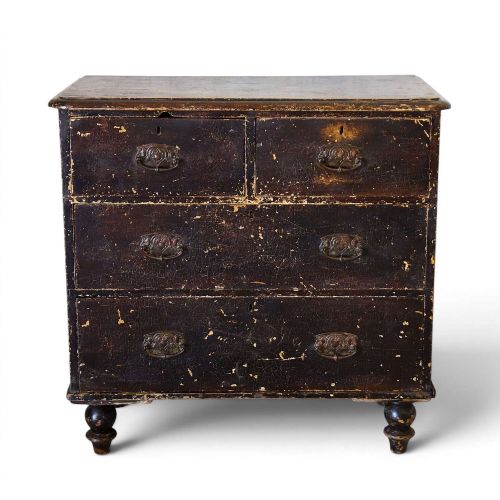
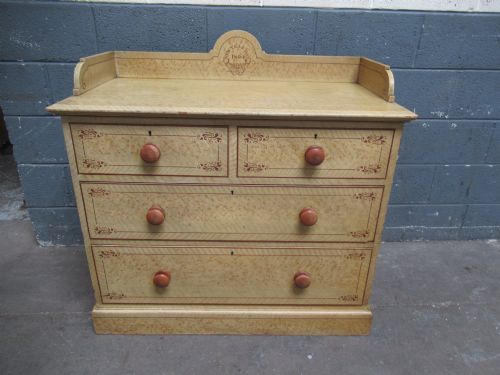
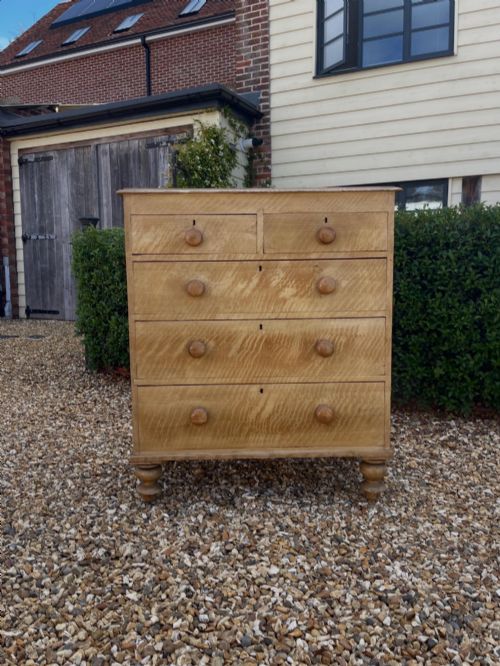
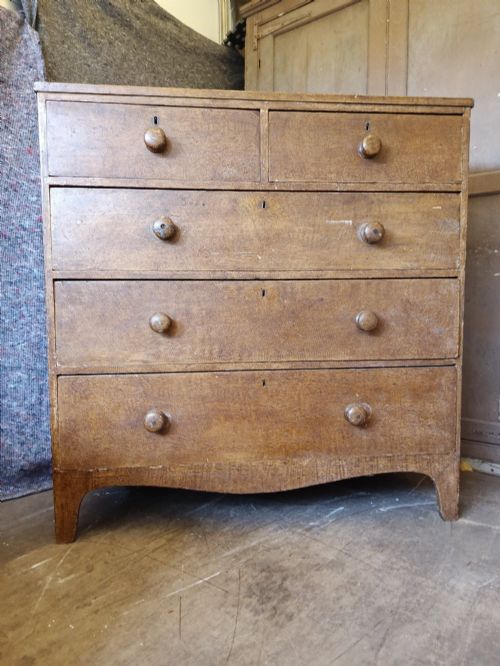
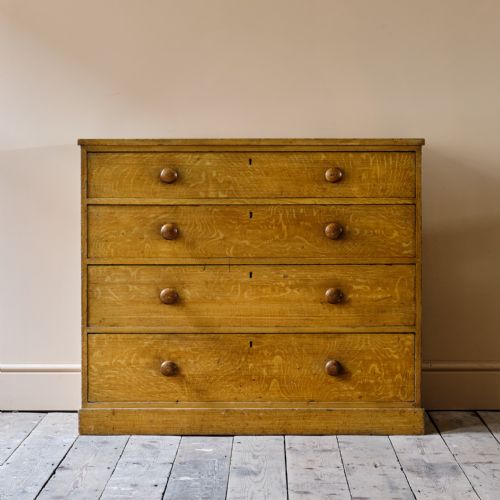
Buyers encounter forms featuring brass, iron, or ceramic hardware alongside timber construction. Original painted surfaces define the selection, showing distinct brown and green scumble finishes applied over pine.
Materials and construction
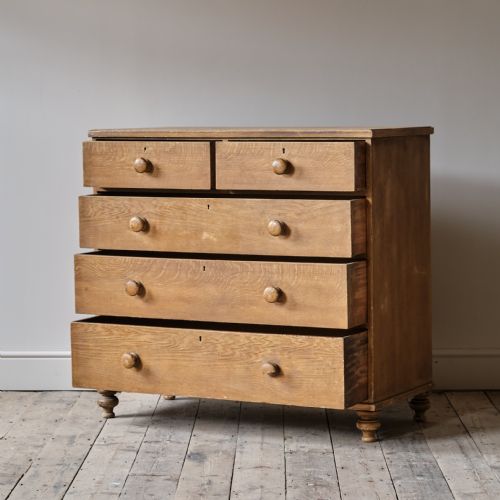
Makers built these chests using solid pine timber, shaping drawer boxes and frames to withstand daily bedroom use. Wood is combined with metal or ceramic handles and glass elements where fitted.
The distinct surface finish relies on scumble paint techniques, where artisans dragged or combed translucent oil paint over a lighter base coat to simulate wood grain. This painted timber treatment preserved the softwood underneath while creating a rich visual depth.
Listings span the nineteenth century, featuring Victorian country styles alongside Regency and Art Nouveau influences.
Judging quality in painted furniture
Quality rests upon the preservation and skill of the original scumble paint layer. Examples with intact brushwork, combed patterns, and authentic patination command greater interest than those with heavy overpainting.
The integrity of the underlying pine carpentry separates standard utility items from finer workshop production. Smooth drawer action, solid joints, and original hardware components distinguish superior survivals.
The Scumbled Pine Bedroom Drawers Glossary
- Scumble
- A translucent layer of dark oil paint manipulated over a pale ground to create simulated wood grain or textured patterns. This decorative technique defines the appearance of nineteenth century painted furniture.
- Pine
- A softwood commonly utilised for utilitarian and country furniture throughout the nineteenth century. It provides a stable base for painted and scumbled finishes.
- Victorian
- The period spanning the reign of Queen Victoria, covering much of the nineteenth century. Furniture from this era encompasses diverse regional and country workshop styles.
- Washstand
- A chamber furniture form designed to hold a basin and jug, often incorporating drawers or cupboards. These pieces share materials and painted finishes with bedroom chests.
Scumbled Pine Bedroom Drawers: Frequently Asked Questions
What is scumble paint?
Scumble paint is a translucent oil glaze manipulated over a pale ground coat to create decorative grain patterns. Artisans used this technique on pine furniture to imitate expensive exotic timbers.
This painted layer aged naturally over the nineteenth century, developing a distinct patination prized by collectors today.
How do I date these chests?
Dating relies on construction methods, timber preparation, and stylistic markers recorded across the nineteenth century. Victorian and regional country pieces often feature hand-cut joints and period hardware.
Original painted surfaces and dated inscriptions sometimes provide direct evidence of a piece's exact decade of origin.
Where were they used?
These chests served primarily as practical bedroom storage for clothing and linens in country houses and rural homes. Their robust pine construction suited daily domestic service.
Washstand variations also accommodated personal hygiene equipment in chambers before plumbed bathrooms became common.
Are the paint finishes original?
Many surviving pieces retain their original nineteenth century brown or green scumble paint applications. Surviving finishes show authentic wear and tonal depth built up over generations of use.
Examining the interface between the paint layers and the underlying pine helps determine whether a surface coating dates to the period of manufacture.