



Scumble Painted Furniture
Scumble painted furniture brings the layered depth of simulated wood grain directly into domestic rooms through clever nineteenth-century brushwork.
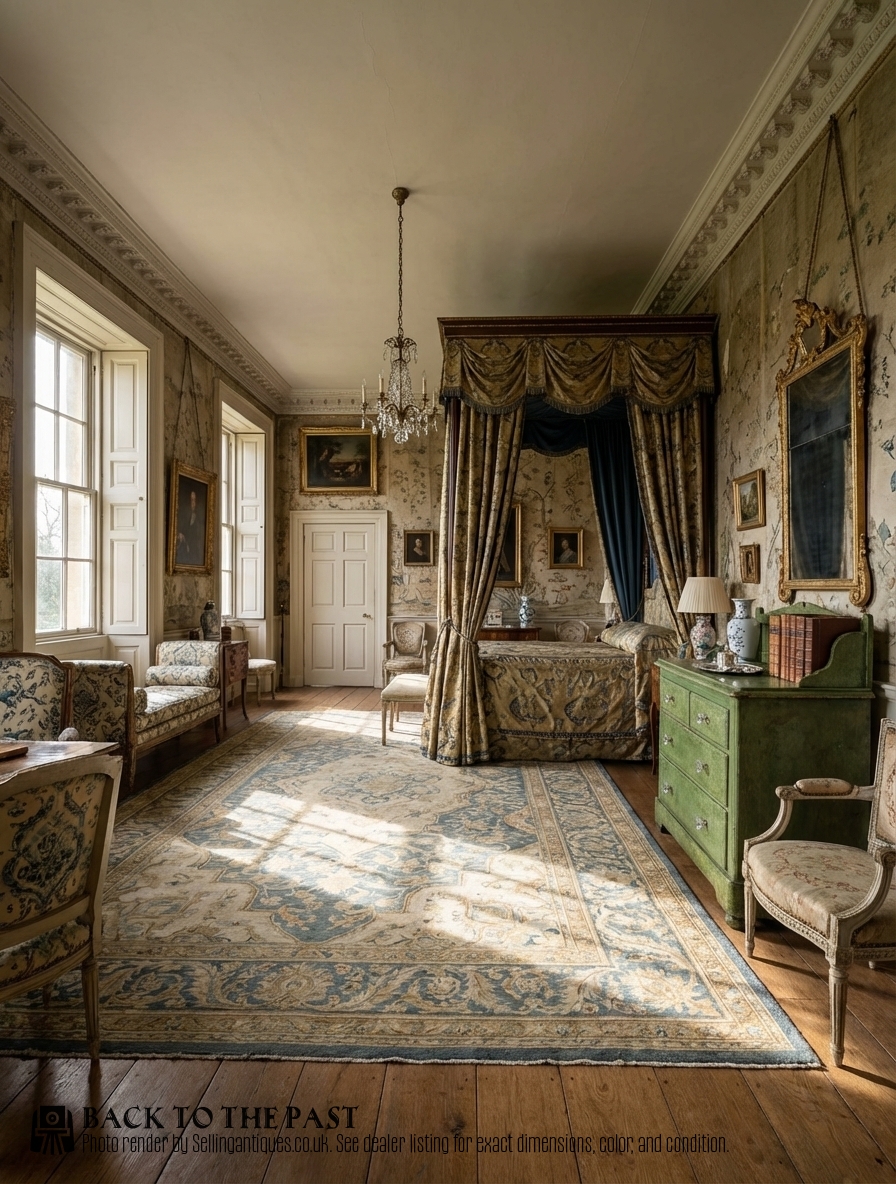
Scumble Painted Furniture
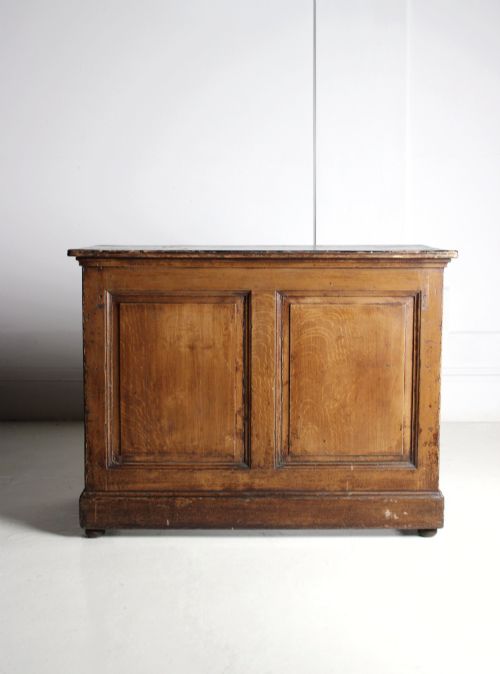
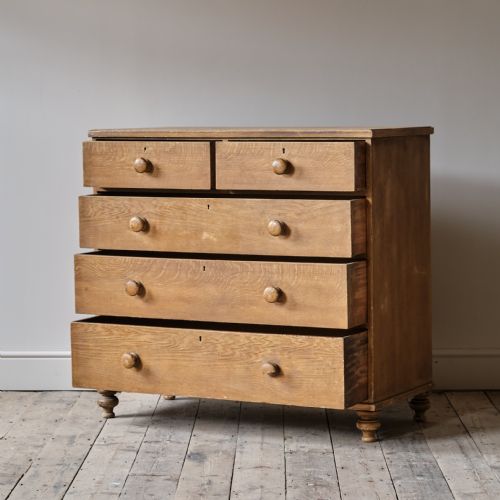
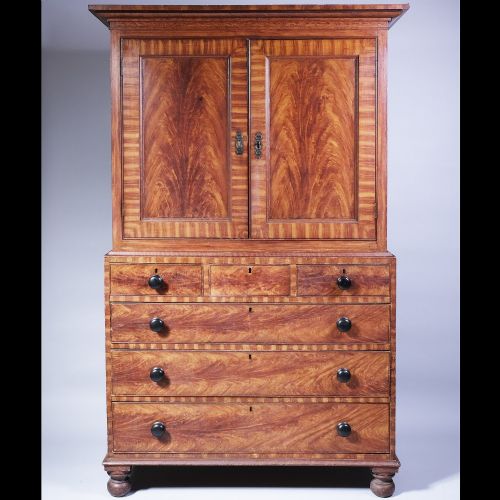
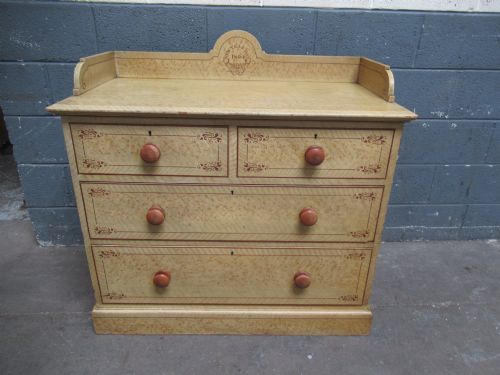
Scumble painted furniture encompasses practical timber pieces coated in translucent glazes manipulated to imitate richer, more expensive hardwoods like oak, mahogany, or walnut. When you search for scumble painted furniture, you encounter robust domestic storage and utility items predominantly fashioned from softwood and pine during the nineteenth century.
The objects available span from generous housekeeper cupboards and linen presses down to side tables, benches, and washstands. Chests of drawers dominate the selection, often retaining their original patterned or glazed surface treatments applied by country artisans and decorators.
Originating largely from country house and farmhouse settings, these pieces bridge the gap between humble utility and decorative ambition. Georgian primitive settlers and Victorian country pieces sit alongside dated examples from the late nineteenth century, each showing distinct regional approaches to graining.
Materials and Techniques
Makers built these pieces primarily using accessible domestic timbers such as pine and softwood, selecting straight-grained boards to serve as stable canvases for decorative manipulation. Iron handles, ceramic elements, and occasionally glass components completed the structural assembly before any surface coating began.
The signature finish relied on applying a tinted oil or varnish glaze over a lighter base coat, then working the wet top layer using combs, sponges, feathers, or rags. This process created complex faux grains and mottled patterns that simulated aged timber or decorative finishes like faux marble.
Scumble Painted Furniture Retail Price Guide 2026
Typical asking prices for scumble painted furniture among the pieces listed under this phrase on Sellingantiques today, from the lower quarter to the upper quarter. They describe what is for sale here now, not the wider market.
Listings feature pine and softwood forms spanning the Georgian period through to the late Victorian era, including washstands, settles, and chests of drawers.
Assessing Quality and Finish
The success of the piece depends entirely on the skill of the decorator and the condition of the surviving glaze layer. Finer examples display deliberate, convincing control over the patterned movement, whilst lesser pieces show heavy, uniform application lacking depth.
Durability relies heavily on how well the original softwoods and surface glazes have aged together without excessive flaking. Originality of the surface remains paramount, as untouched nineteenth-century graining carries significantly more character than later overpainting.
The Scumble Painted Furniture Glossary
- Scumble
- A translucent layer of dark oil paint or glaze applied over a lighter base colour to be manipulated into decorative patterns. This technique allows painters to simulate expensive timber grain on cheaper woods.
- Softwood
- Timber derived from coniferous trees, predominantly pine in these listings, which served as the standard structural base for country furniture. It provided an inexpensive and easily worked surface for decorative painting.
- Housekeeper Cupboard
- A large, tall storage cabinet designed for domestic linens, dry goods, and household provisions. These substantial pieces frequently received decorative graining to suit country house interiors.
- Settle
- A wooden bench featuring high backs and solid sides intended to block cold drafts in domestic rooms. Georgian primitive versions in this tradition often display simple lines paired with expressive surface graining.
- Wellington Chest
- A tall, narrow chest of drawers secured by a hinged vertical locking strip on one side. The form accommodates specialised drawers suitable for papers or linen.
Scumble Painted Furniture: Frequently Asked Questions
What is scumble paint?
Scumble paint involves applying a translucent glaze over a lighter painted ground and working it while wet to mimic wood grain or marble. Artisans used combs and rags to create these decorative patterns on pine.
This technique transformed humble softwood into surfaces resembling expensive exotic hardwoods for domestic interiors.
Are these pieces made of solid pine?
The listings show that these items are constructed primarily from solid pine and softwood timbers. Makers utilised these accessible woods because they accepted the base coats and glazes readily.
Secondary woods may occasionally appear in internal drawer construction, but the primary exterior surfaces are timber.
How can I date a scumbled chest?
Dating relies on examining construction methods, drawer dovetailing, hardware types, and the specific style of the piece. Victorian and Georgian examples often show hand-cut joinery consistent with their era.
Dated examples and contemporary documentation sometimes provide direct confirmation of the decade of production.