


Green Painted Drawers
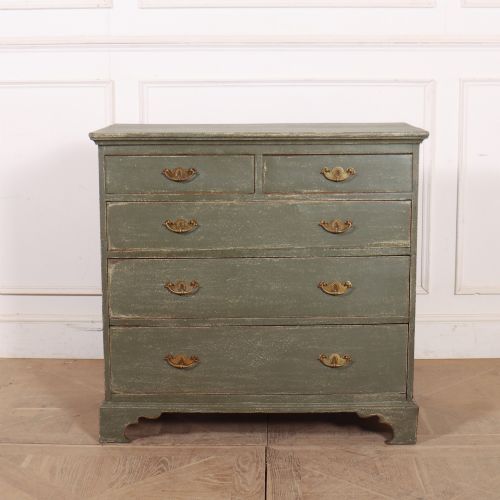
Green painted drawers bring character to a room through centuries of timber work and decorative pigment.
Green Painted Drawers
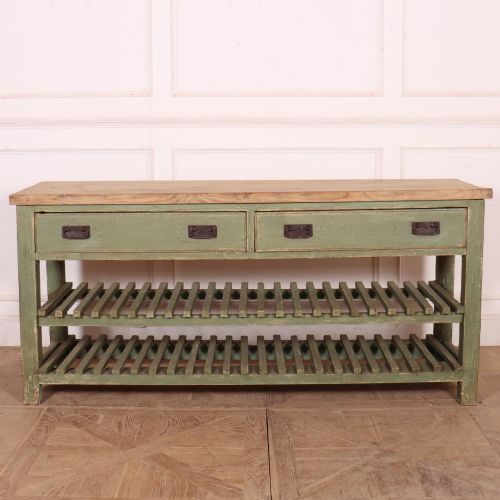
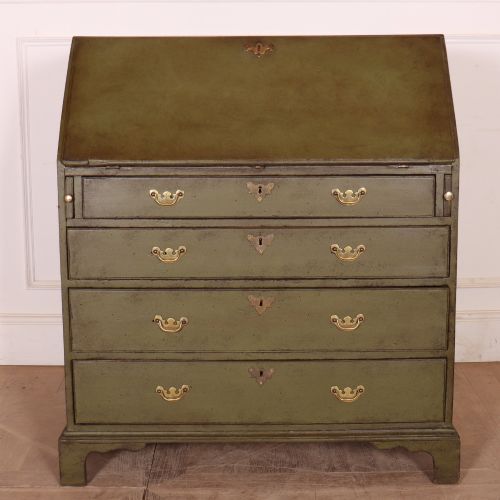
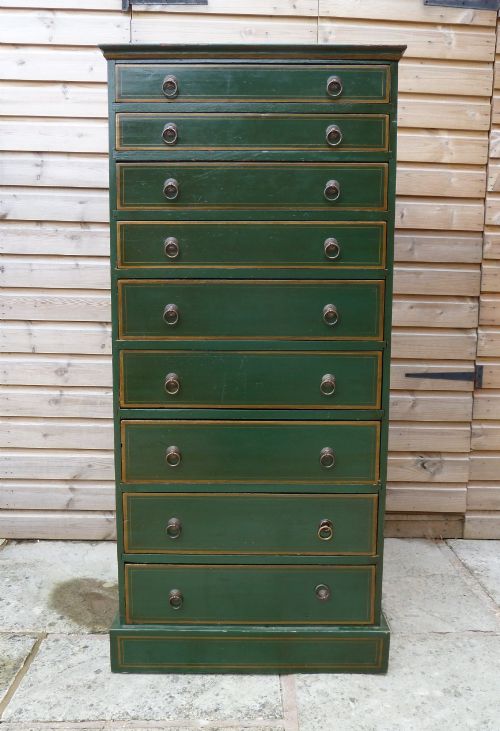
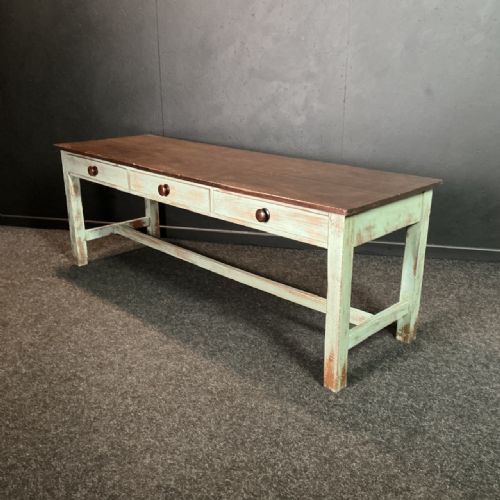
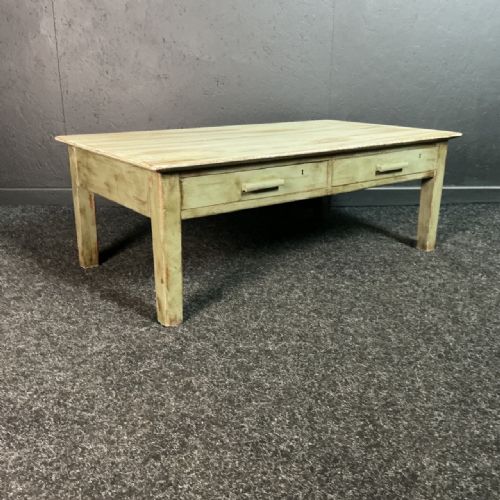
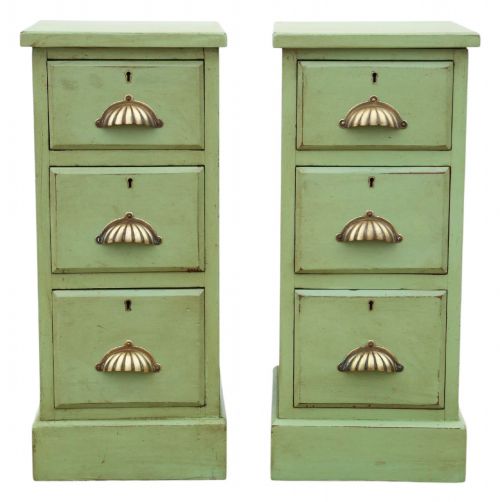
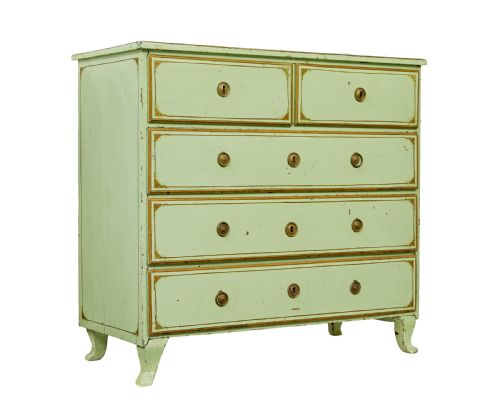
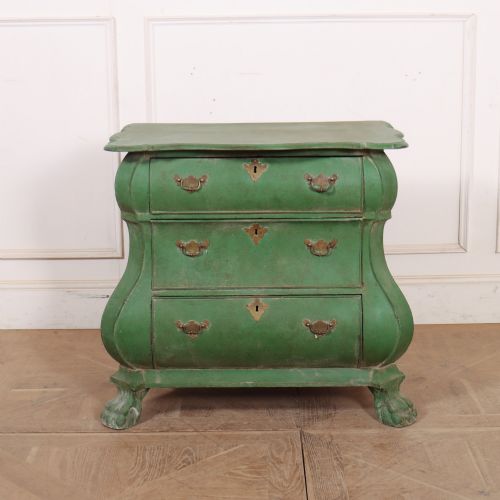
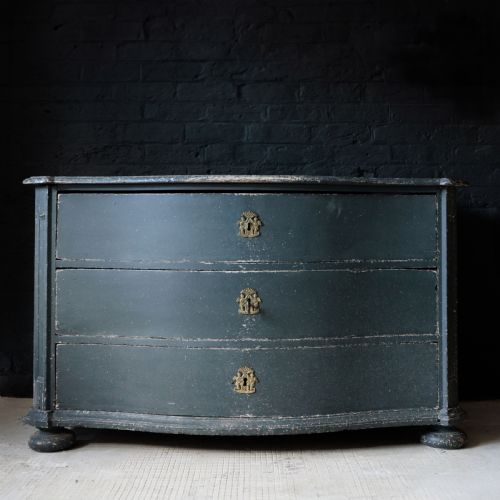
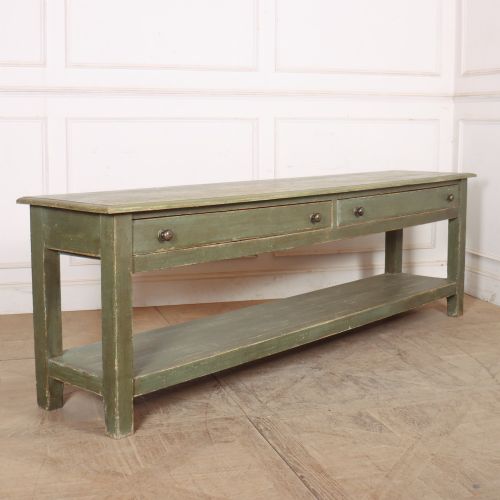
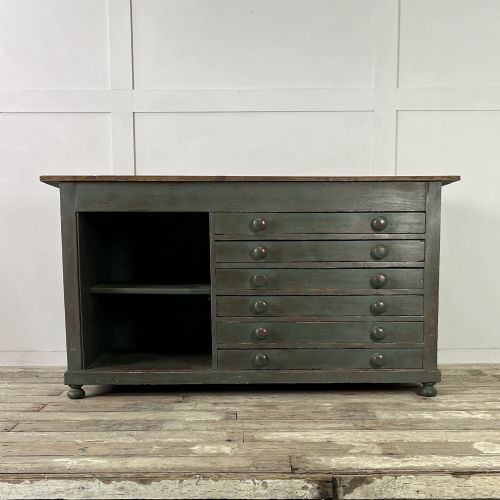
Green painted drawers encompass a variety of storage pieces ranging from Georgian chests to Victorian pine items and continental commodes. Buyers searching for green painted drawers encounter practical storage solutions finished in historical hues, from sage tones to scumble glazes.
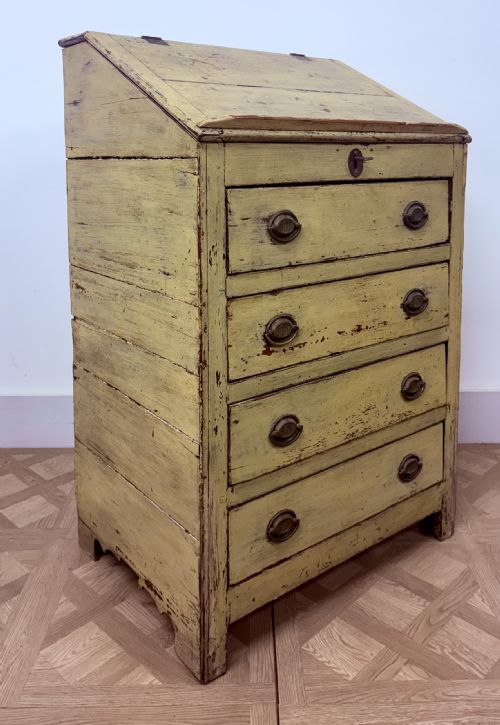
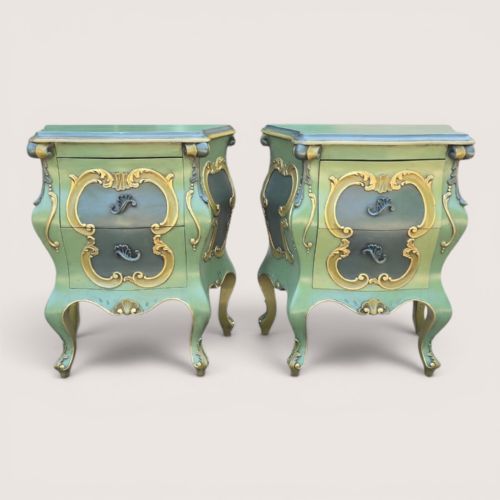
The selection includes English country furniture alongside French, Swedish, and Italian provincial pieces, often featuring serpentine fronts or bow fronts. Chests of drawers dominate the offerings, accompanied by bureaus, commodes, and shop fittings.
Origins span the eighteenth and nineteenth centuries up to the early twentieth century, showing regional European traditions of surface decoration on timber foundations. Pieces arrive in both original decorative schemes and later layered paint finishes.
How they were made
Construction relies primarily on pine and hardwood timbers joined to form sturdy carcases and drawer boxes, often fitted with brass hardware. Artisans shaped fronts into serpentine or bow contours using traditional cabinetmaking techniques.
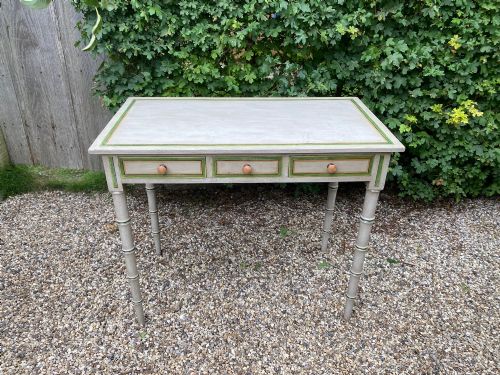
Surfaces received layers of paint, sometimes incorporating scumble effects, faux bamboo detailing, or gilt highlights over the wood. Pigments were applied to pine, timber, and occasionally birch, sealing the grain and offering distinct tactile textures.
Green Painted Drawers Retail Price Guide 2026
Typical asking prices for green painted drawers among the pieces listed under this phrase on Sellingantiques today, from the lower quarter to the upper quarter. They describe what is for sale here now, not the wider market.
Listings feature items built from pine, hardwood, and birch, decorated with paint, brass, iron, and gilt.
What varies in quality
Quality rests in the integrity of the underlying timber structure and the age of the paint surface rather than a uniform standard. Original finishes applied during the period hold greater interest than later decorative revivals.
Construction details such as dovetailed drawer joints, smooth running drawers, and well-preserved brass furniture distinguish finer cabinetmaking from utility pieces. The balance of proportions and the subtlety of regional carving shape the overall character.
The Green Painted Drawers Glossary
- Commode
- A low chest of drawers or cabinet originating from French furniture design. These pieces often feature serpentine or bombe fronts.
- Scumble paint
- A decorative glazing technique involving translucent layers of paint manipulated over a base coat to create mottled texture. This method mimics grain or adds depth.
- Serpentine
- A furniture front curving inward centrally and outward at the ends in a continuous wave shape. This contour requires skilled carpentry.
- Bureaux
- Sloping desk units enclosing small drawers and pigeonholes above lower storage drawers. They provide a writing surface alongside compartment storage.
- Dresser base
- A long low sideboard or serving table fitted with drawers and occasionally cupboards. These items served dining and kitchen spaces.
Green Painted Drawers: Frequently Asked Questions
How do I date a piece?
Dating relies on examining construction methods, timber types, and the characteristics of the paint finish. Dovetails, drawer construction, and hardware styles offer clues to the period.
Comparative analysis with documented examples from the eighteenth and nineteenth centuries helps narrow down the decade of manufacture.
Are the paint finishes original?
Paint finishes can be original to the period of manufacture or applied later in the piece's history. Close inspection reveals whether pigment layers have aged naturally with the underlying timber.
Some items retain scumble glazes or early coats, whilst others show later decorative updates intended to refresh the furniture.
Where should I place these drawers?
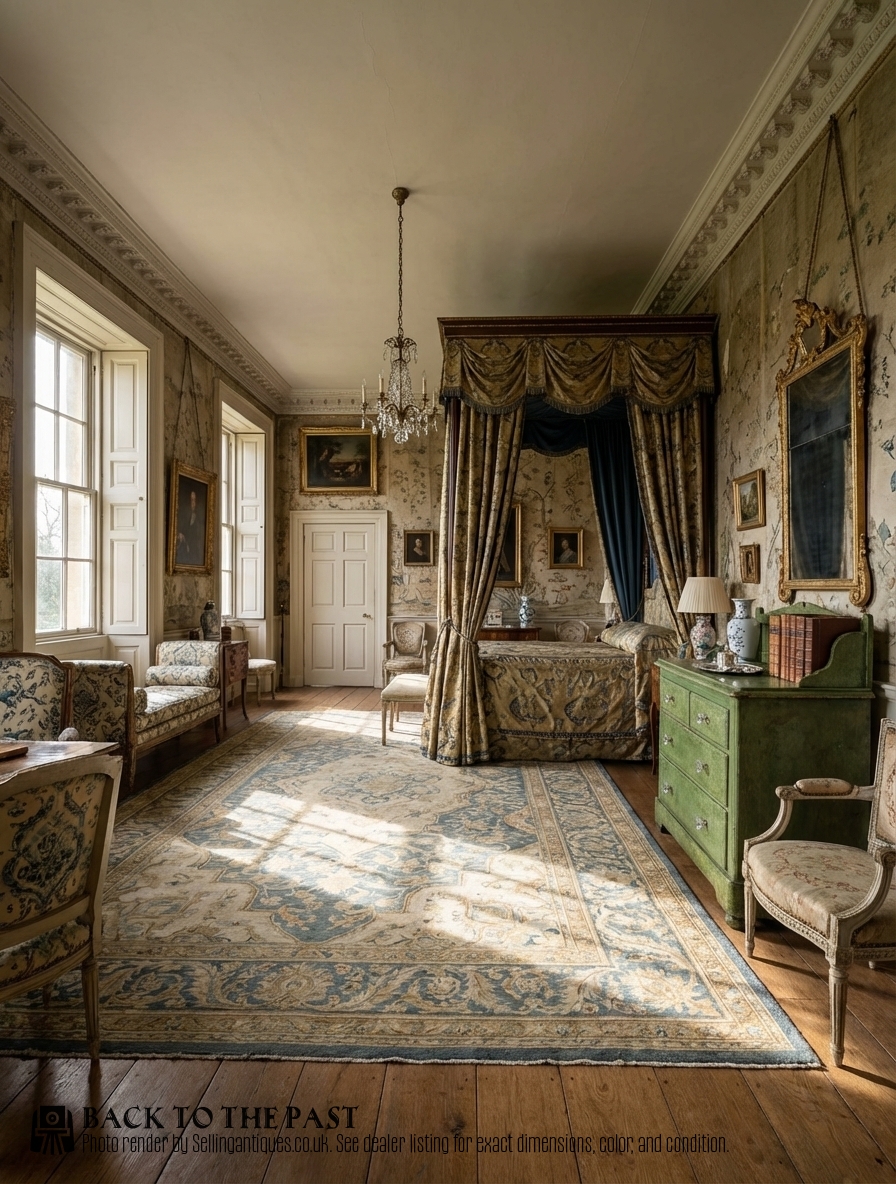
These pieces suit living rooms, hallways, and bedrooms where practical storage meets decorative impact. Their coloured surfaces introduce focal points to neutral or traditional interiors.
Care should be taken to place them away from direct heat sources to protect the painted timber surfaces and joints.
What woods were used?
Pine serves as the most common timber for provincial and country pieces, often providing a stable base for painted finishes. Hardwoods and birch also appear in continental and English examples.
Secondary woods like oak or deal frequently form internal drawer linings and back panels.