
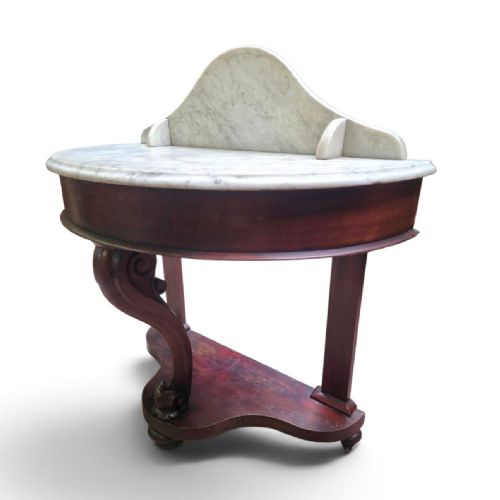
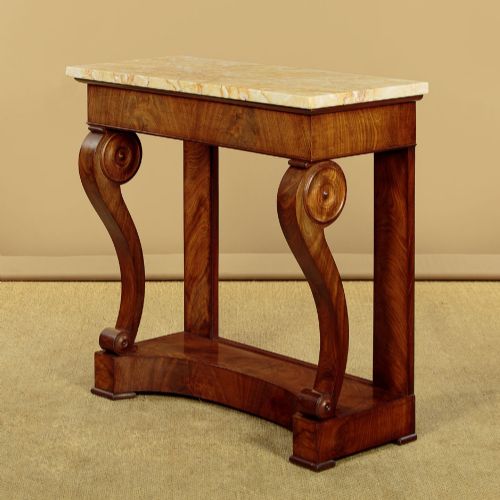
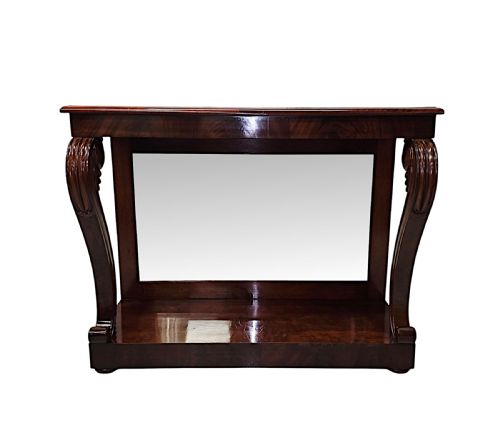
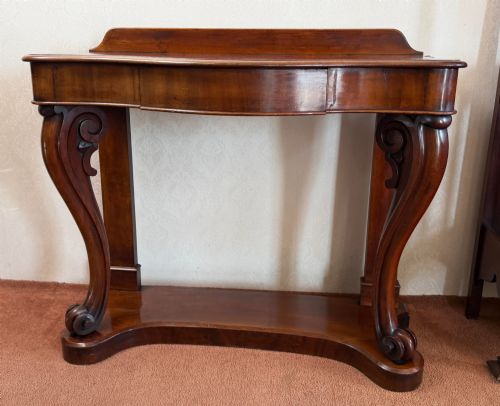
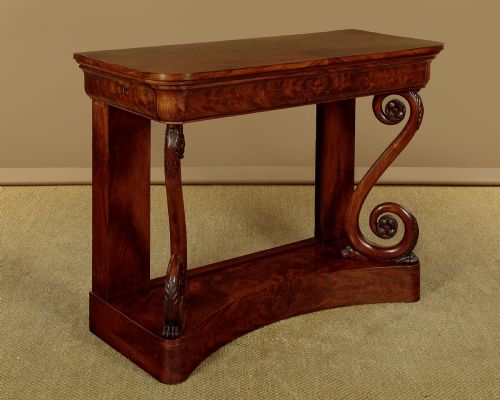
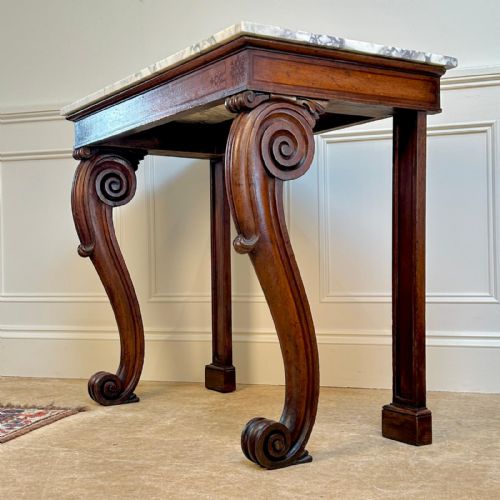
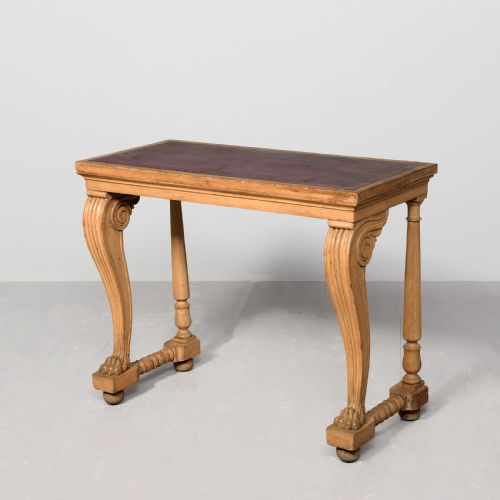
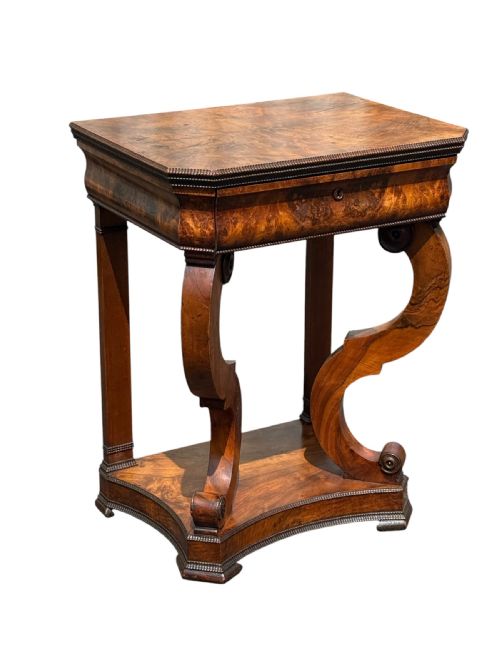


Scrolled Leg Console Table
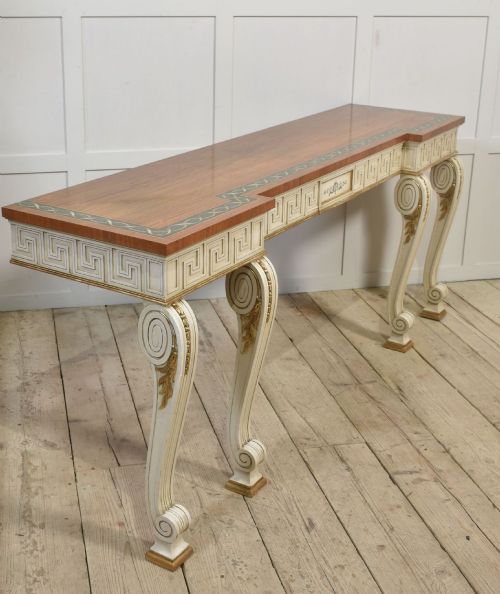
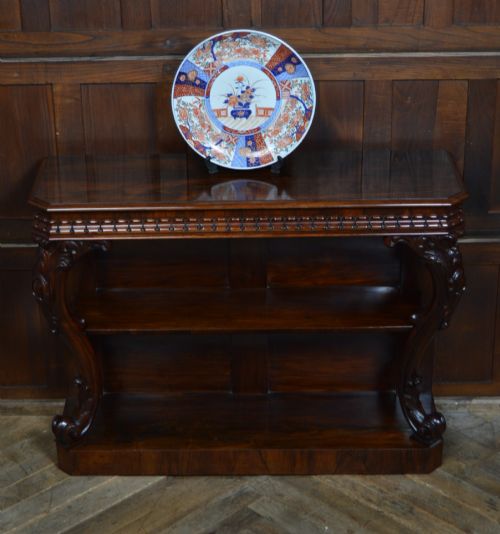
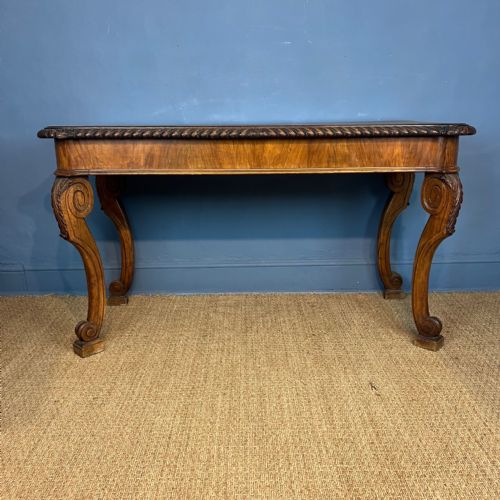
A scrolled leg console table brings architectural grace to a hallway or drawing room, prized for its fluid curves and solid proportions.
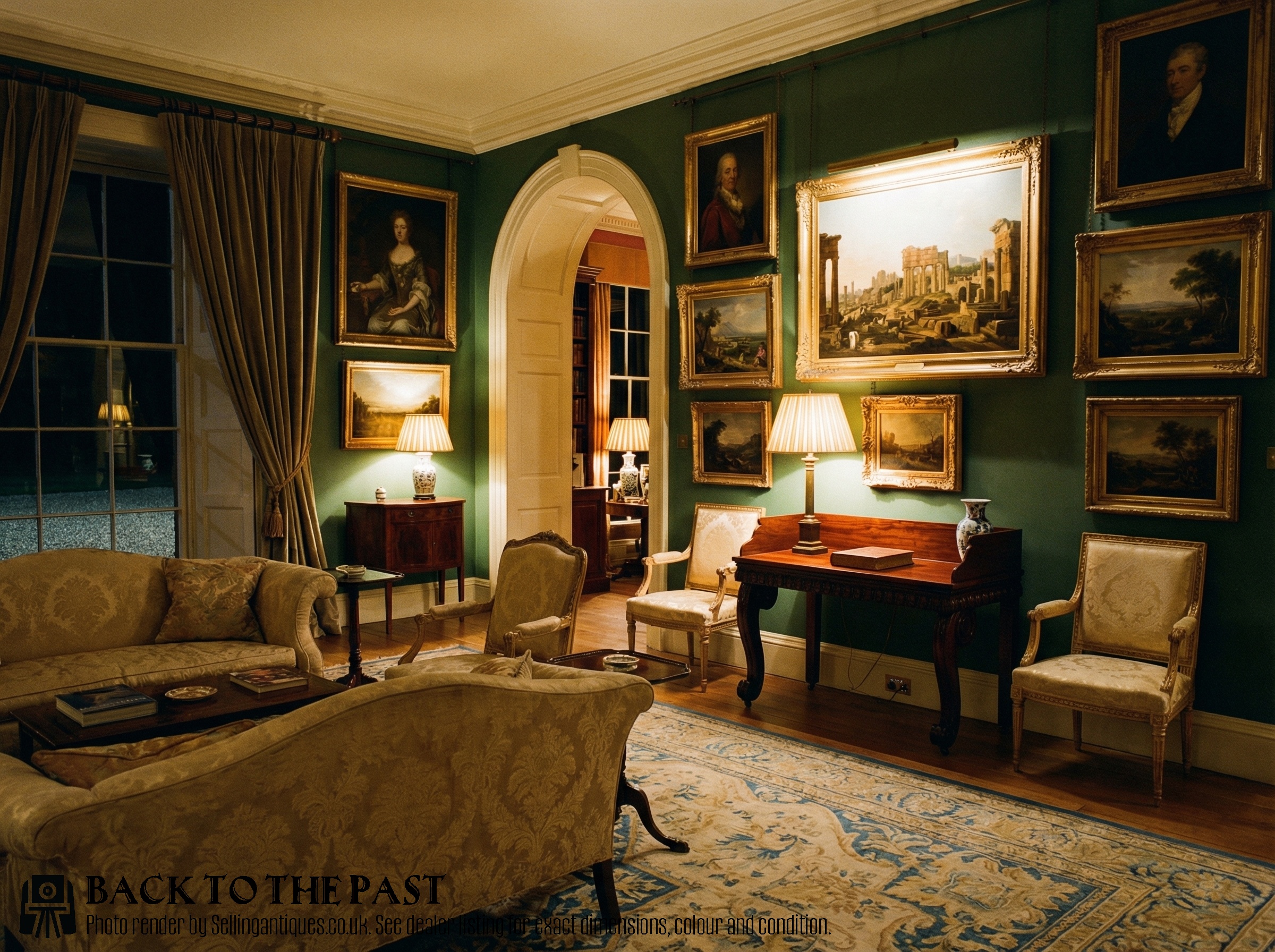
Scrolled Leg Console Table
A scrolled leg console table is typically a wall-abutting surface designed for display or service, frequently encountered in mahogany, rosewood, and oak. These pieces span the Georgian, Regency, and Victorian periods, often taking the form of console tables, pier tables, or side tables.
The selection ranges from British and Irish examples with carved mahogany to French Louis Philippe walnut and Anglo-Indian padouk pieces. Makers such as Gillows, James Mein, and Robert Strahan occasionally appear, alongside distinct regional interpretations.
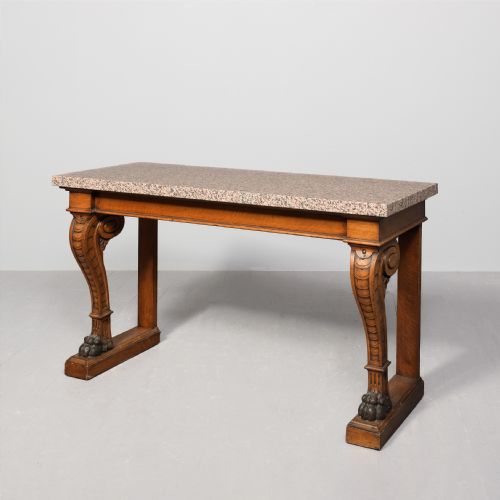
Buyers frequently encounter variants featuring marble, granite, or wooden tops supported by elaborate scrollwork bases. The form adapts easily to narrow spaces while offering a strong visual anchor through its carved supports.
How they were made
Cabinetmakers utilised dense timbers like mahogany, rosewood, and walnut, frequently selecting figured veneers or burr walnut for decorative surfaces. Solid oak and padouk provide robust structural framing, while wrought iron and brass appear in specific continental and later designs.
Stonemasonry played a primary role in finishing many examples, incorporating heavy marble and granite slabs fitted directly to the wooden framework. Joinery relied on traditional methods, paired with intricate hand-carving to shape the characteristic scrolls of the legs and bases.
What varies in quality
Quality rests in the crispness of the timber carving and the selection of grain on the primary surfaces. Finer pieces demonstrate superior depth in the scrolled supports and careful matching of veneers across the frieze and top.
The choice of top material also defines the tier of the piece, with heavily polished marbles and thick granite slabs marking out the more ambitious workshops. Attribution to known makers elevates an example, reflecting superior joinery and more refined proportions.
Gillingtons of Dublin·James Mein of Kelso·Robert Strahan·Alexander McKenzie of Glasgow·Whytock and Reid
The Scrolled Leg Console Table Glossary
- Console table
- A table designed to stand against a wall, frequently secured to it or supported by front scroll legs. These pieces historically served decorative functions in reception rooms.
- Pier table
- A specialised console table specifically built to sit against the wall space between two windows. They often paired with matching wall mirrors.
- Frieze
- The horizontal member directly beneath the tabletop, occasionally housing a concealed drawer. It frequently displays figured timber veneers or carved mouldings.
- Paduk
- A heavy tropical hardwood valued for its rich reddish-brown colour and durability. It appears frequently in Anglo-Indian furniture.
- Platform base
- A solid horizontal plinth resting near the floor that unites the lower terminals of the console legs. This feature adds stability to heavy stone tops.
Scrolled Leg Console Table: Frequently Asked Questions
Where should I place a console table?
These tables find a natural home in entrance halls, corridors, or along blank drawing room walls where floor space is limited. Their shallow depth allows them to sit comfortably without obstructing pathways.
Pairing the surface with a mirror or placing decorative objects on top completes the traditional arrangement seen in period interiors.
How do I care for a marble top?
Marble surfaces require gentle cleaning with a damp cloth and mild soap, avoiding acidic cleaning solutions that can etch the polish. Using coasters prevents liquid rings from forming on porous stone.
For the wooden base, regular dusting and occasional waxing preserve the finish of mahogany and rosewood timbers.
What is the difference between a console and a pier table?
Console tables stand against any flat wall surface to display decorative items or serve refreshments. Pier tables share this function but were traditionally manufactured to fit precisely beneath a wall pier between windows.
Both forms frequently utilise scrolled legs and heavy stone tops for architectural stability.
How do I identify a Regency period piece?
Regency pieces often display classical revival motifs, dark polished timbers like rosewood and mahogany, and restrained brass mounts. The lines tend to be architectural, drawing inspiration from ancient Greek and Roman design.
Scroll legs from this era are typically crisp in their carving and proportioned to support heavy marble slabs.