

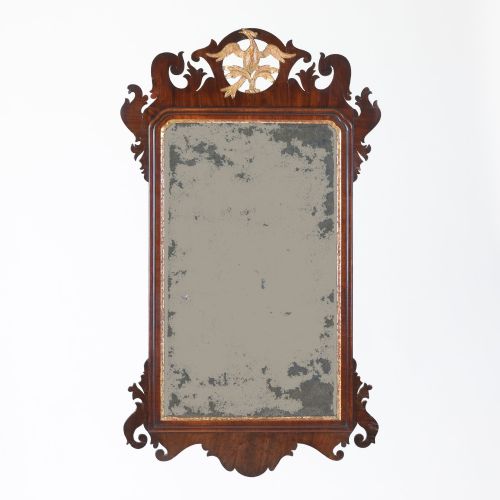
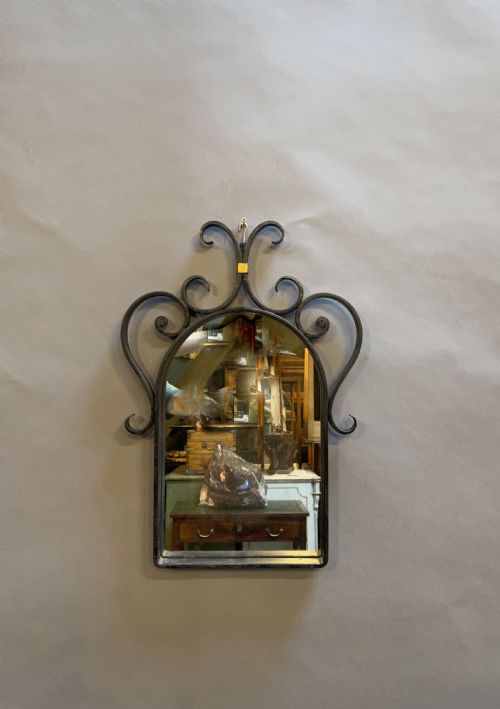
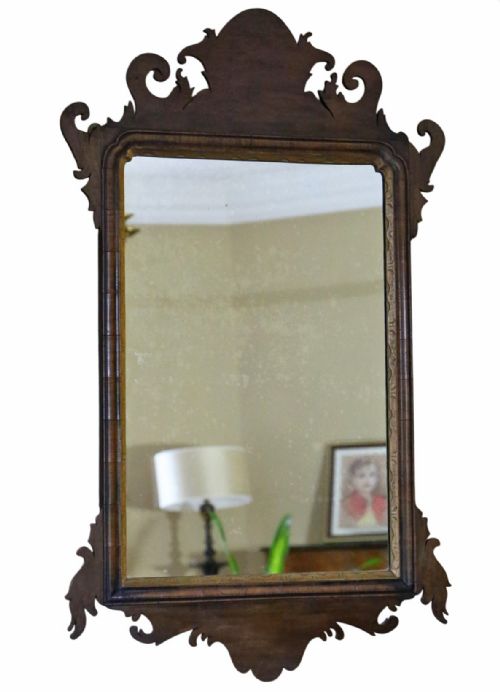


Scrolled Frame Wall Mirror
A scrolled frame wall mirror brings depth and carved detail to a room, drawing the eye with classic wood and gilt forms.
Scrolled Frame Wall Mirror
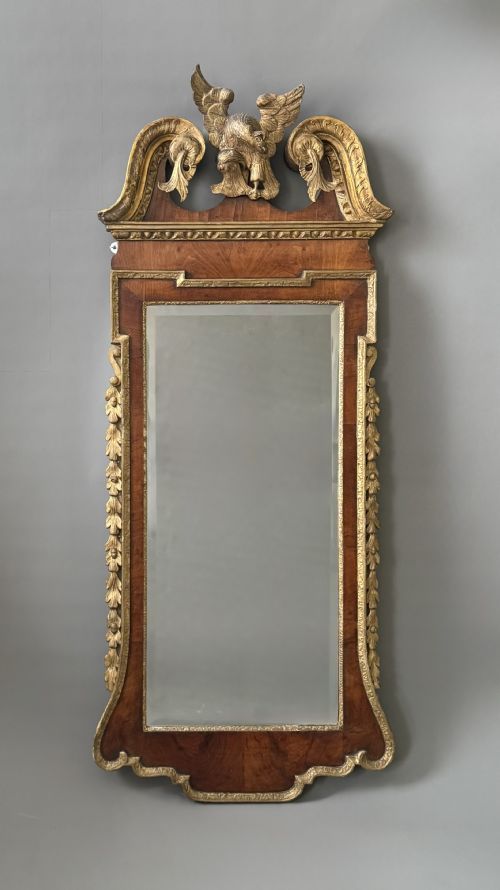
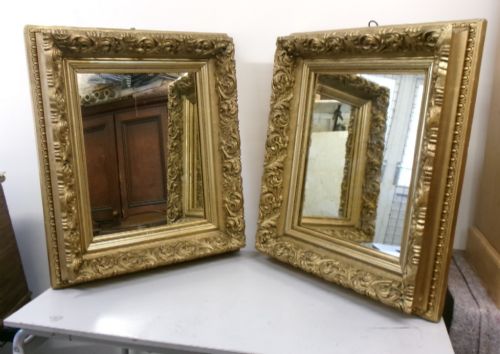
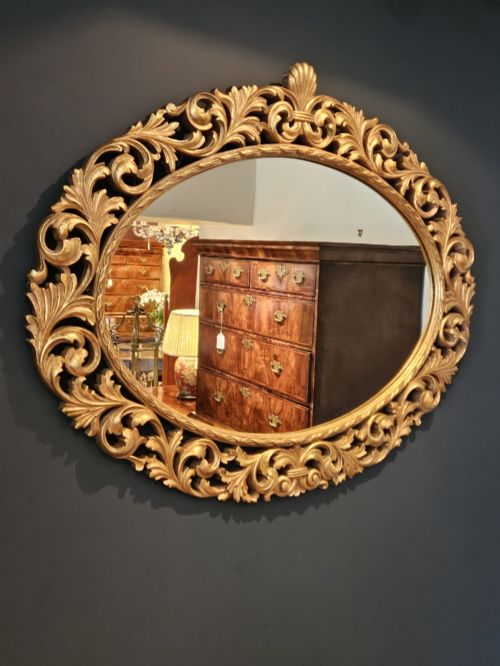
A scrolled frame wall mirror encompasses diverse wall-hanging looking glasses shaped by centuries of cabinet-making traditions. Buyers examining this category encounter everything from modest mahogany fret-cut designs to large gilded overmantel pieces.
The most prevalent examples on this page date from the Georgian period through to the early twentieth century, utilising styles such as Rococo, Chippendale, and Queen Anne. These pieces reflect specific historic aesthetics, notably through pierced woodwork and scrollwork framing.
Beyond standard wall mirrors, the selection includes pier glasses, cushion mirrors, and console table combinations. Each form serves a distinct domestic function, originating from English, French, and Italian workshops.
Materials and construction methods
Makers shaped these frames from timbers such as mahogany, walnut, and oak, often applying gesso and gold leaf to carved wooden bases. Walnut veneers and parcel gilding also appear across eighteenth and nineteenth-century examples.
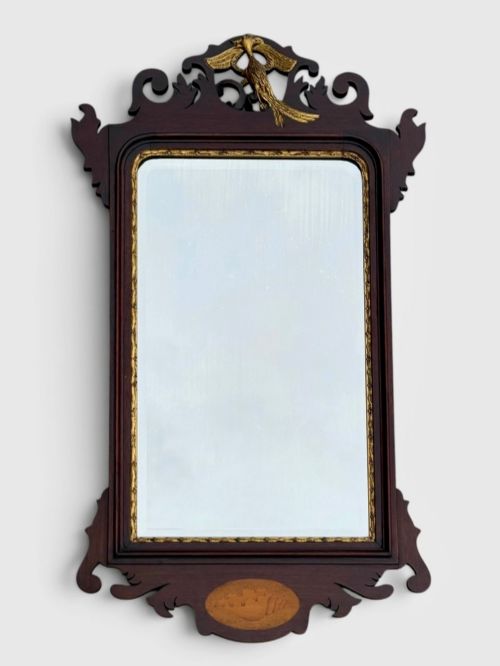
Carvers executed intricate fretwork and scroll designs by hand, sometimes incorporating motifs like the Ho Ho bird. Mirror glass is set within these timber structures, occasionally featuring engraved plates or traditional bevels.
Keep an eye out for carved Ho Ho birds perched atop eighteenth-century fret frames, watching over your hallway.
Judging the quality of manufacture
Quality rests in the crispness of the hand-carved foliage and scrolls, where deeper relief and careful undercutting distinguish superior pieces from simpler later reproductions. The handling of the timber grain, particularly in figured walnut and mahogany veneers, indicates the maker's initial investment of time and skill.
The integrity of the original gilding and gesso layers determines visual success, with layered gold leaf holding greater depth than flat painted surfaces. Structural joins in the fret-cut frames and the weight of the timber also point to workshop standards.
The Scrolled Frame Wall Mirror Glossary
- Giltwood
- Timber coated with gold leaf over a prepared gesso ground. This finish defines many Rococo and classical frames.
- Fretwork
- Ornamental pattern open-worked in wood by sawing or carving. It appears frequently on eighteenth-century wall mirrors.
- Pier glass
- A tall mirror designed to hang on the wall between windows. These pieces often match console tables.
- Overmantel mirror
- A wide looking glass proportioned to hang above a fireplace mantel. They dominate interior walls in Victorian rooms.
- Vauxhall mirror
- An early mirror plate type characterised by bevelling and thin dimensions. Named after London glass-houses.
Scrolled Frame Wall Mirror: Frequently Asked Questions
How do I date a wooden mirror?
Dating relies on examining the construction timber, backboards, and secondary woods used in the frame. Tool marks and the method of holding the mirror glass in place offer further clues.
Style provides another indicator, though revival periods often copied earlier Georgian and Rococo forms closely. Inspecting the ageing of the glass plate helps confirm the period.
Where should I hang an overmantel mirror?
An overmantel mirror traditionally hangs directly above a fireplace mantelpiece to reflect light and fill the vertical space. Securing it safely to the wall requires proper fixings suited to the heavy timber and glass weight.
These pieces also function well on prominent reception room walls where their scale anchors the room's proportions. Ensure the hanging height suits the surrounding furniture.
Are gilded frames made of solid gold?
Gilded frames consist of a wooden base coated with thin sheets of gold leaf applied over a gesso foundation. This traditional technique provides a brilliant metallic finish without the extreme weight and cost of solid metal.
The underlying gesso allows for crisp carved details to show beneath the gold leaf. Over time, this surface develops a characteristic warmth and wear.