



Scottish Watercolour Painting
When you search for scottish watercolour painting, you encounter original works capturing landscapes, portraits, and rural scenes that bring historic character to a room.
Scottish Watercolour Painting
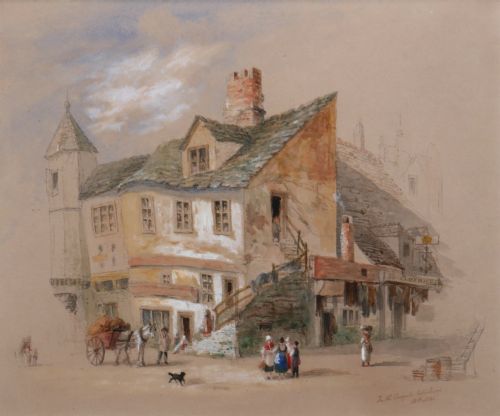
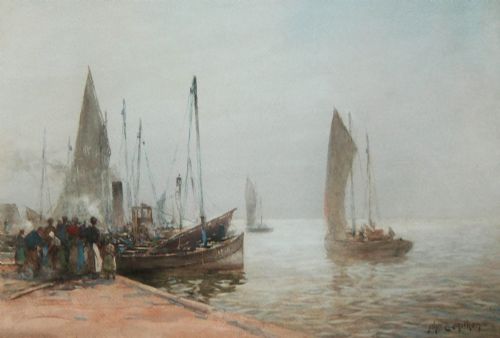
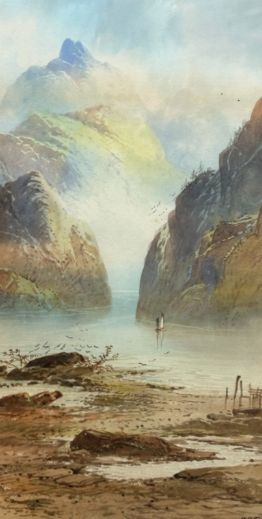
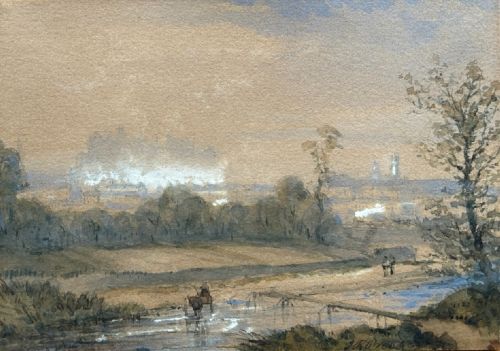
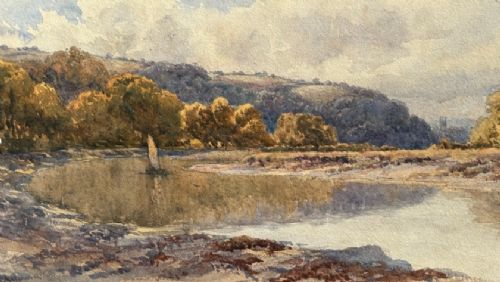
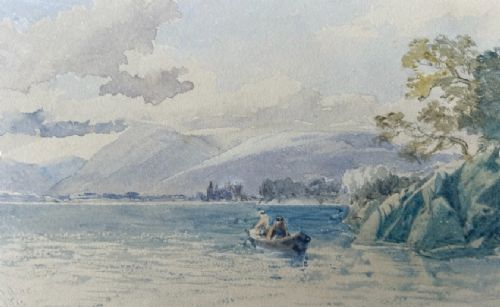
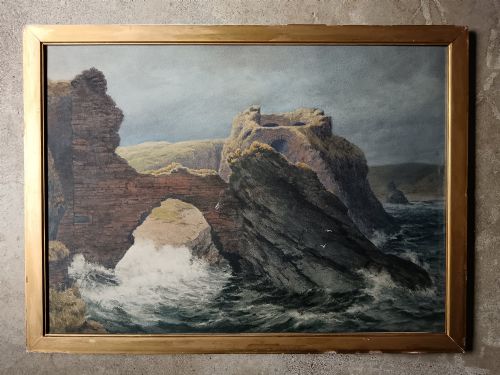
A scottish watercolour painting captures subjects ranging from sweeping highland landscapes and coastal castles to domestic interiors and detailed studies of birds. These works span multiple periods, with many examples originating in the nineteenth and early twentieth centuries under the hand of named artists and the Scottish School.
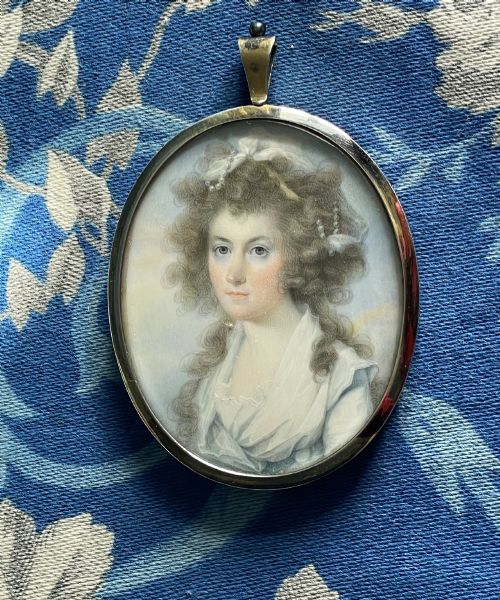
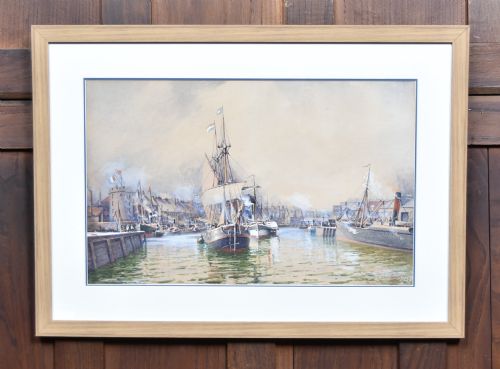
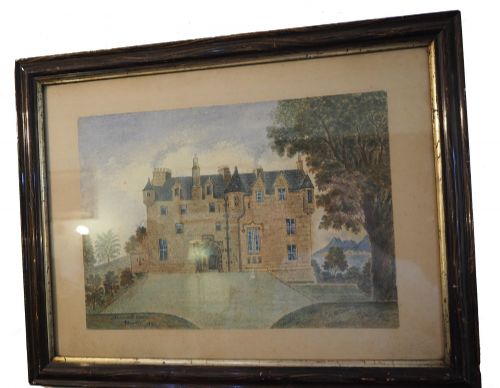
Buyers will most frequently meet nineteenth-century and early twentieth-century framed pieces on paper, often signed by the artist and presented behind glass. Subjects frequently focus on recognisable locations such as Loch Awe, the Firth of Forth, and Edinburgh, alongside rural farming scenes and character portraits.
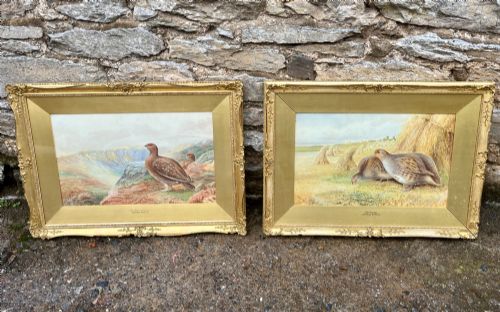
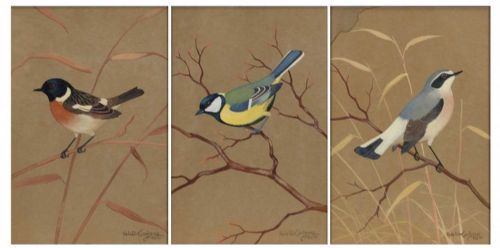
The selection encompasses diverse formats, from large coastal views to intimate pairs of game bird studies and interior genre scenes. Works reflect the stylistic shifts from traditional Victorian detail through to mid-century modern interpretations.
Materials and Technique
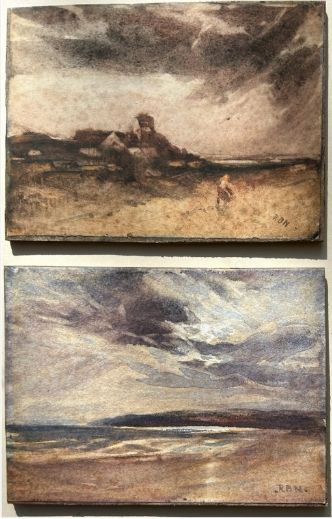
The works are created using watercolour paint and pigment applied to paper, occasionally supported by charcoal or gouache for added depth and opacity. Many pieces incorporate gold leaf within details or framing elements, while others utilise simple washes to capture atmospheric Highland lighting.
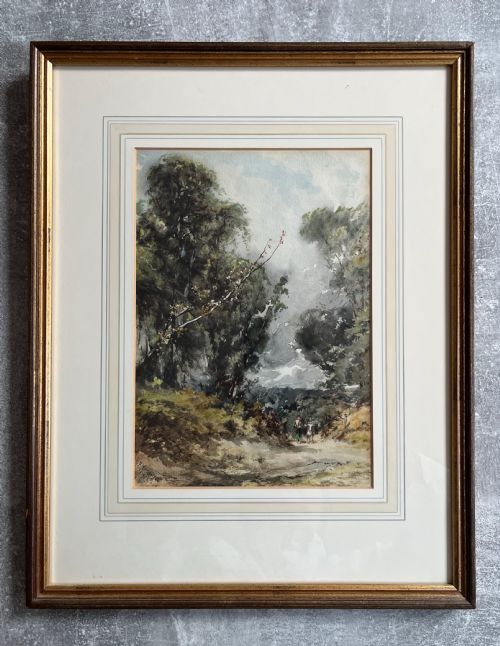
Framing forms an integral part of the physical makeup of these artworks, with surviving examples frequently housed in period gilt wood frames protected by glass. The combination of watercolour pigment on paper within timber and gilt surrounds preserves the delicate medium against environmental wear.
Scottish Watercolour Painting Retail Price Guide 2026
Typical asking prices for scottish watercolour painting among the pieces listed under this phrase on Sellingantiques today, from the lower quarter to the upper quarter. They describe what is for sale here now, not the wider market.
Listings feature works spanning the Georgian era, the Victorian period, and the mid-century, executed in watercolour, gouache, and charcoal on paper.
Markers of Quality
Quality rests upon the skill of the brushwork and the clarity of the composition, where an artist captures the particular light and topography of a Scottish landscape or the personality of a portrait subject with assured strokes. Works by established members of societies such as the Royal Scottish Watercolourists demonstrate a higher level of technical execution.
The preservation of the paper support and the vibrancy of the original watercolour pigments distinguish superior examples from faded or discoloured alternatives. Original period framing, particularly matching gilt wood surrounds, adds significantly to the integrity and visual coherence of the piece.
Robert Buchan Nisbet RSW·Thomas Miles Richardson Jnr·George Rankin·Sir William George Gillies·Stanley Orchart
The Scottish Watercolour Painting Glossary
- Watercolour
- A painting method in which the paints are made of pigments suspended in a water-based solution. This medium allows for transparent washes and delicate tonal gradations.
- Gouache
- A water-based paint consisting of pigment and other inert materials designed to be opaque. It often appears in highlights alongside traditional watercolour pigments.
- RSW
- Initials denoting membership of the Royal Scottish Society of Painters in Watercolour. This designation indicates a recognised standard of professional achievement among Scottish artists.
- Gilt wood
- Wood that has been treated with a thin layer of gold leaf or metallic gilt finish. It is commonly found on the antique frames enclosing these paintings.
- Victorian
- Pertaining to the reign of Queen Victoria, spanning the mid to late nineteenth century. Pieces from this era often display detailed naturalism and narrative depth.
Scottish Watercolour Painting: Frequently Asked Questions
How should I hang a watercolour painting?
Watercolour paintings require protection from direct sunlight to prevent the pigments from fading over time. Position them on interior walls away from moisture and direct heat sources.
Ensure the glass is secured properly and use sturdy picture wire attached to the original or matching period frame to support the weight safely.
What subjects are common in these paintings?
Artists frequently depicted dramatic Scottish landscapes featuring lochs, coastal castles, and highland farming scenes with cattle or sheep. Portraits and interior domestic studies also appear regularly.
Wildlife, particularly game birds and garden birds, forms another distinct category within nineteenth and twentieth-century Scottish works.
Are these works signed by the artists?
Many pieces feature artist signatures, monograms, or initials inscribed directly onto the paper surface. Documentation often includes dates or inscriptions naming specific locations.
Unsigned works still appear, attributed through stylistic analysis to specific periods or regional schools of painting.
How do I identify a Victorian piece?
Victorian watercolours generally exhibit fine, detailed brushwork and atmospheric renderings of weather, often framed in ornate gilt wood. The paper stock and backing materials also reflect nineteenth-century manufacturing methods.
Subject matter from this era frequently leans toward romanticised landscapes and narrative genre scenes set in Scotland.