

Scottish Victorian Silver
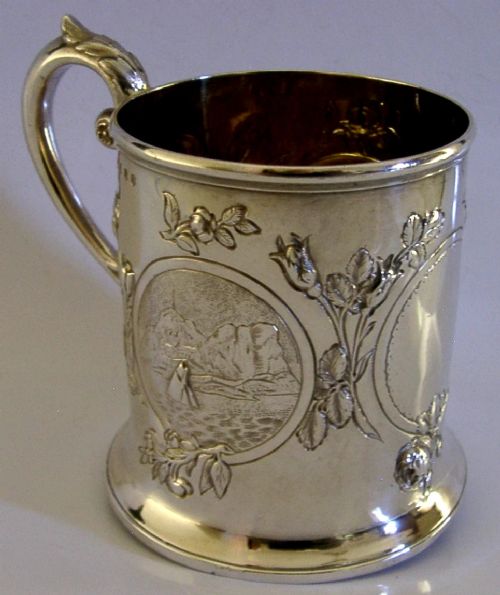
When you explore scottish victorian silver, you encounter the distinctive metalwork, hardstones and horn objects crafted during the nineteenth century.
Scottish Victorian Silver
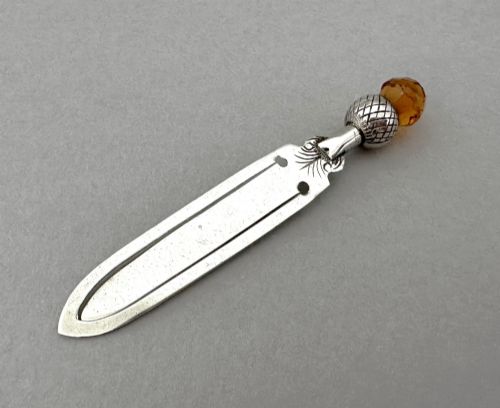
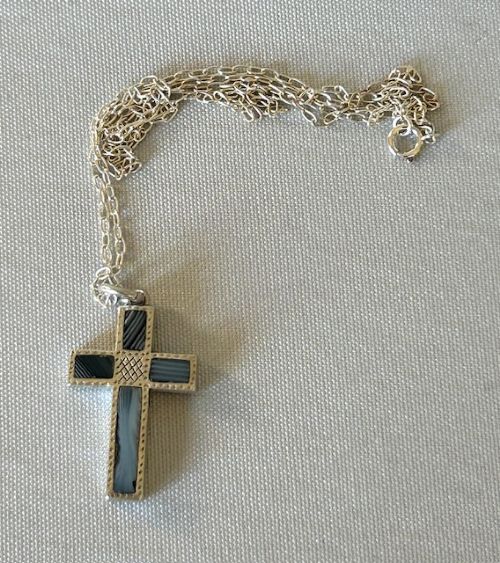
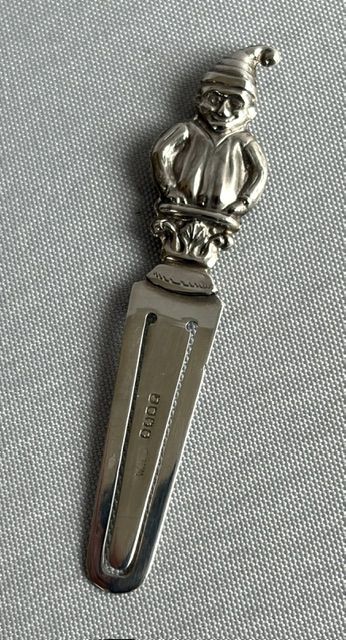
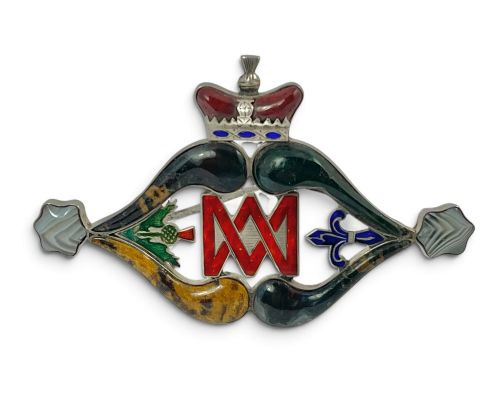
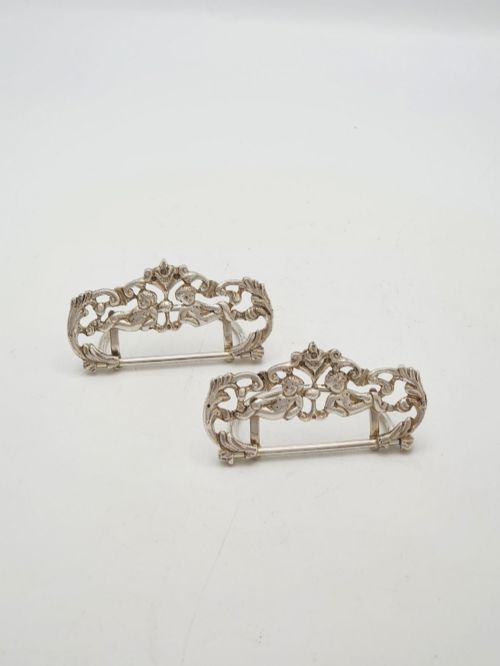
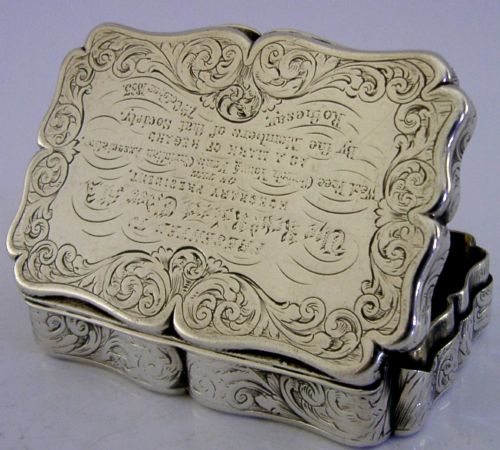
When considering scottish victorian silver, buyers frequently encounter personal ornaments such as brooches, kilt pins, bracelets and vinaigrettes alongside functional dining wares like mustard pots, flatware and snuff mulls. These pieces reflect regional revivals, incorporating local motifs like thistles, broadswords and dirks.
The selection ranges from small horn snuff boxes and pebble-set jewellery to substantial tea sets, inkstands and silver wine coolers. Many items combine sterling silver with native stones, creating distinct local character.
How they were made
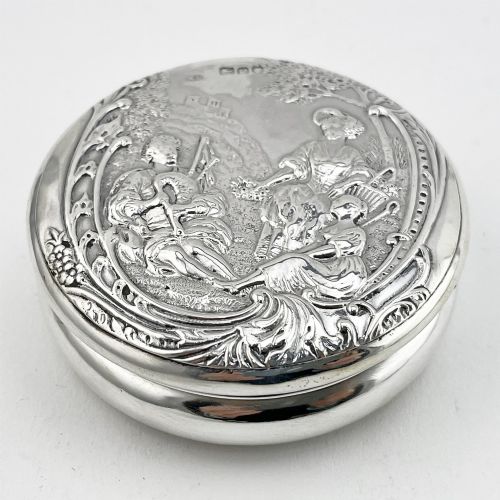
Silversmiths shaped sterling silver and silver plate through casting, hammering and embossing, frequently deploying intricate Celtic and floral motifs. Native materials such as Scottish horn, oak and granite were integrated into boxes, inkstands and desk stands.
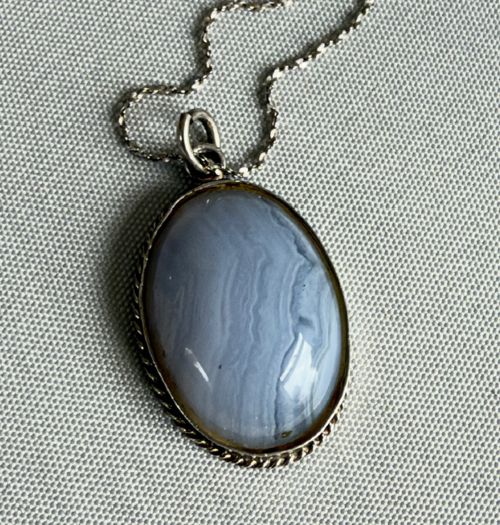
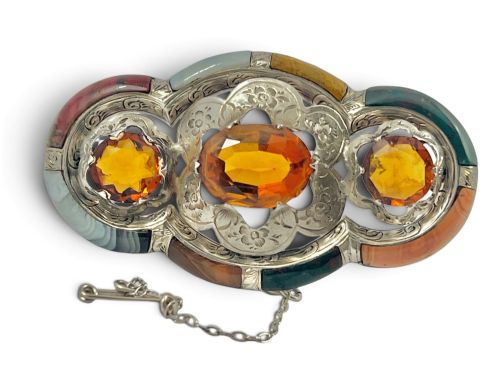
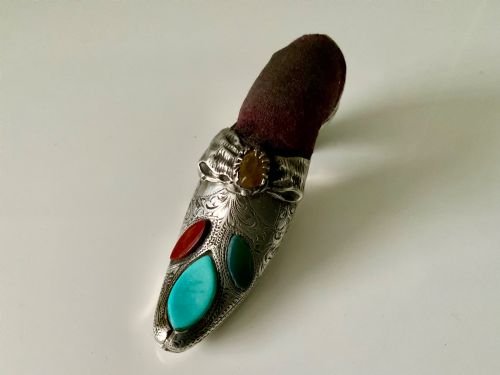
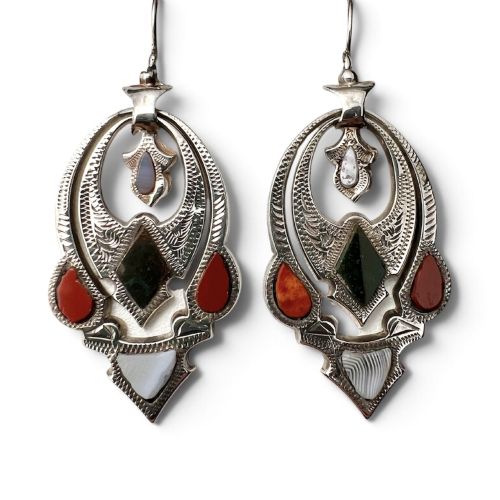
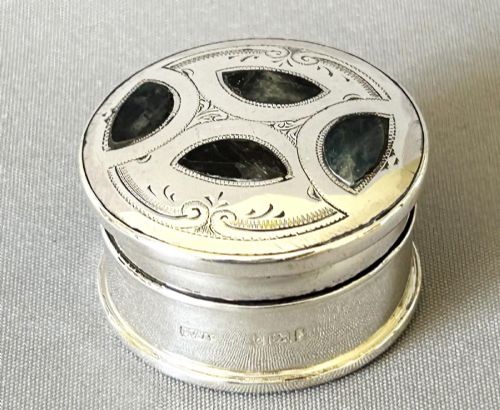
Hardstones including agate, jasper, bloodstone, malachite and citrine were cut, polished and bezel-set into silver mounts for brooches and jewellery. Certain items utilised old Sheffield plating on copper for larger vessels like wine coolers and communion goblets.
Scottish Victorian Silver Retail Price Guide 2026
Typical asking prices for scottish victorian silver among the pieces listed under this phrase on Sellingantiques today, from the lower quarter to the upper quarter. They describe what is for sale here now, not the wider market.
Someone once preserved a horse's hoof inside a Victorian silver mounting.
What varies in quality
The standard of workmanship depends on the precision of the stone-cutting and the tightness of the silver bezel settings securing the agates and jaspers. Superior examples display carefully matched multi-coloured banded agates and sharp, deep relief embossing on larger silver surfaces.
Maker execution also dictates distinction, particularly in provincial pieces where regional assay offices and skilled makers produced tighter engraving and more robust structural assembly on items like quaichs and dirk brooches.
Hamilton and Inches·Mackay and Chisholm·Crisford and Norris·Hilliard and Thomason
The Scottish Victorian Silver Glossary
- Snuff mull
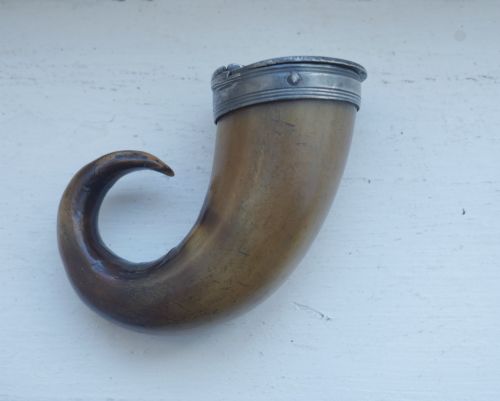
- A small container used for holding snuff, traditionally fashioned from animal horn and mounted with silver lids and shields.
- Vinaigrette
- A small hinged box containing a perforated inner grill, designed to hold a sponge soaked in aromatic vinegar.
- Quaich
- A traditional two-handled drinking vessel of shallow form, sometimes rendered in novelty barrel shapes.
- Agate
- A form of chalcedony quartz exhibiting natural bands of colour, extensively utilised in Scottish jewellery.
- Dirk brooch
- A large decorative pin styled after the traditional Scottish dagger, frequently mounted with cairngorms or agates.
Scottish Victorian Silver: Frequently Asked Questions
What is a Scottish silver snuff mull?
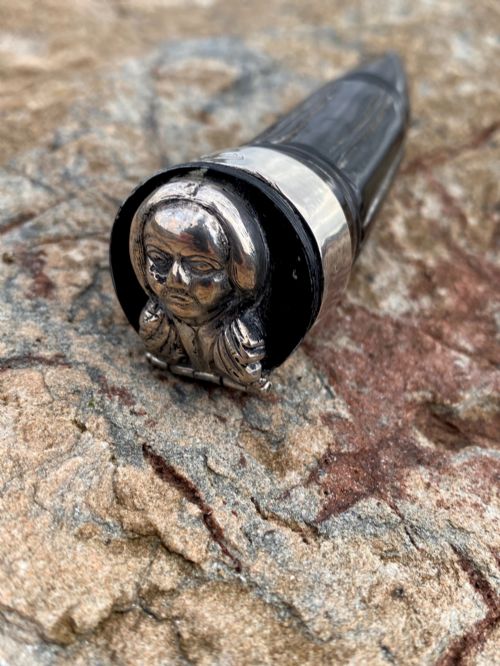
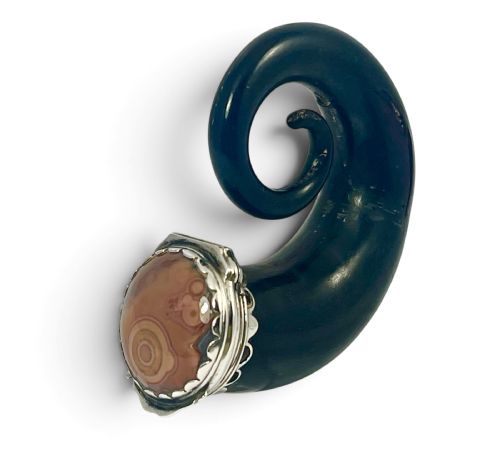
A snuff mull is a personal container fashioned from ram or cow horn, fitted with silver mounts and hinges, utilised for carrying dry snuff tobacco during the nineteenth century.
These pieces often feature engraved silver shields on the lid and occasionally incorporate cairngorm or citrine stones set directly into the horn surface.
How were agate pebble brooches worn?
Agate pebble brooches served both as fastening pins for plaids, shawls and kilt sashes and as decorative daily jewellery fastened to coats and bodices.
Their substantial weight and secure pin mechanisms made them practical for heavy woollen garments as well as ornamental display.
What distinguishes provincial Scottish silver?
Provincial silver originates from towns outside Edinburgh and Glasgow, carrying maker marks and town punches specific to locations such as Inverness, Aberdeen or Montrose.
These pieces often exhibit unique local stylistic touches and highlight the work of independent regional silversmiths operating during the Victorian era.
How do you care for silver and stone jewellery?
Silver mounts require gentle cleaning with a soft cloth to avoid disturbing the mounted hardstones and bezels, keeping moisture away from the stone settings.
Items containing horn or organic materials should be stored in stable humidity environments to prevent warping or cracking of the natural structure.