





Scottish Sporting Antiques
Scottish sporting antiques capture the rugged outdoors of the Highlands through oils, silver, and taxidermy.
Scottish Sporting Antiques
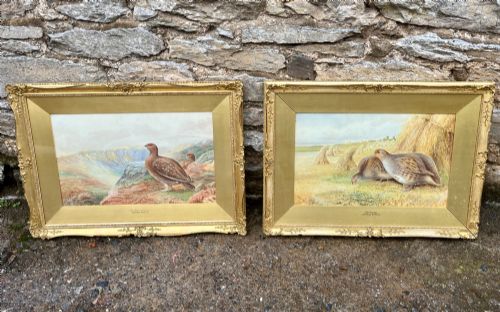
Scottish sporting antiques encompass a rugged collection of objects celebrating outdoor pursuits, wildlife, and athletic achievement across the Victorian, Edwardian, and early twentieth-century eras. When searching for Scottish sporting antiques, collectors encounter diverse items ranging from framed oil paintings of game birds and hunting dogs to sterling silver medals and granite curling stones.
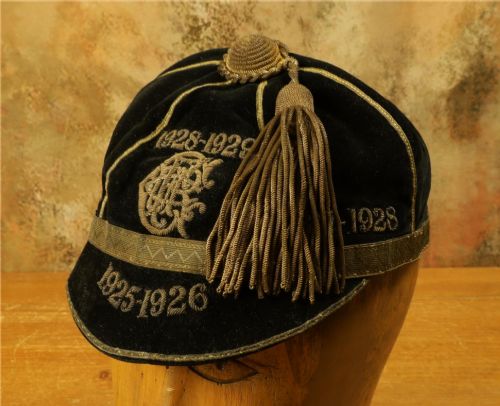
The most common pieces appearing in this category reflect the traditional Highland lodge aesthetic, combining naturalism with competitive sports memorabilia. Visitors frequently find watercolours, oil on canvas works, and sports caps originating from Glasgow and Perth.
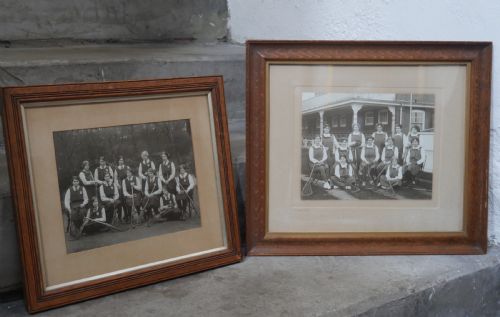
Makers and artists from the nineteenth and early twentieth centuries dominate the selection, bringing an authentic connection to rural traditions and athletic clubs. These objects served both as decorative adornments for country houses and as tangible records of Highland field sports.
Materials and construction methods
The construction of these pieces relies heavily on traditional media including oil on canvas, watercolour paint applied to paper, and sterling silver worked by regional silversmiths. Gilding frequently enhances wooden frames, while taxidermy specimens utilise preserved animal hides and antlers.
Silver medals and sports caps demonstrate meticulous metalwork and braiding techniques, often featuring engraved inscriptions that record specific competitions and dates. Cribbage boards fashioned from stag horn showcase skilled carving and polishing of natural bone materials.
Scottish Sporting Antiques Retail Price Guide 2026
Typical asking prices for scottish sporting antiques among the pieces listed under this phrase on Sellingantiques today, from the lower quarter to the upper quarter. They describe what is for sale here now, not the wider market.
Stag horn readily transforms into a game board, proving that even a Highland beast can assist with evening card games.
Factors determining quality
Quality in painted works depends upon the artist's ability to render anatomical precision in animals, particularly game birds, hunting dogs, and stags within moorland landscapes. Works by documented painters command attention through superior brushwork and compositional depth.
For metalwork and memorabilia, the clarity of the silversmith's punch marks and the intricacy of the engraved silver braid separate standard items from exceptional examples. The preservation state of taxidermy and organic materials such as horn also dictates overall desirability.
George Rankin·David McGregor·John Charles Tunnard·Robert Cleminson·James Russell·William Crampton·Stephen Elmer
The Scottish Sporting Antiques Glossary
- Curling stone
- A heavy polished granite stone fitted with a handle, traditionally used on ice rinks in Scotland for the winter sport of curling.
- Taxidermy
- The art of preserving, stuffing, and mounting the skin of animals for display, commonly seen in Victorian deer and game bird specimens.
- Sterling silver
- An alloy of silver containing 925 parts per thousand by mass of silver, frequently utilised for Victorian and Edwardian athletic medals.
- Cribbage board
- A counting board used to keep score in the card game cribbage, often carved from natural stag horn in rural Scottish contexts.
Scottish Sporting Antiques: Frequently Asked Questions
What periods do these pieces date from?
The selection spans the nineteenth and early twentieth centuries, with a strong concentration of Victorian, Edwardian, and 1920s examples.
Items range from eighteenth-century canvases through to sports memorabilia created around the First World War.
How were curling stones used?
Curling stones were slid across frozen lochs and rinks toward a target circle during traditional Scottish winter matches.
Players used handles to direct the stone's rotation and trajectory across the ice.
What subjects appear in the paintings?
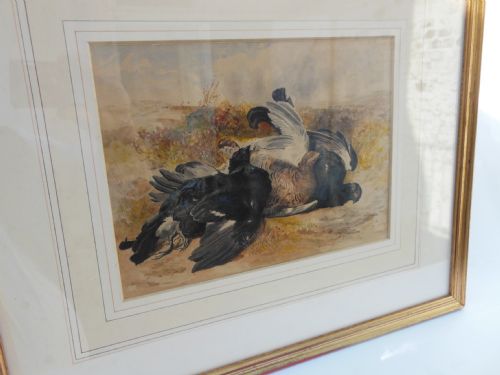
Canvases and watercolours typically depict Highland landscapes, game birds like black grouse, hunting dogs, and stags.
Artists focused on naturalism and the realities of rural Scottish field sports.