



Scottish Provincial Silver Spoons
These scottish provincial silver spoons carry the distinct marks of makers working far from Edinburgh and Glasgow, offering a tangible link to regional craft.
Scottish Provincial Silver Spoons
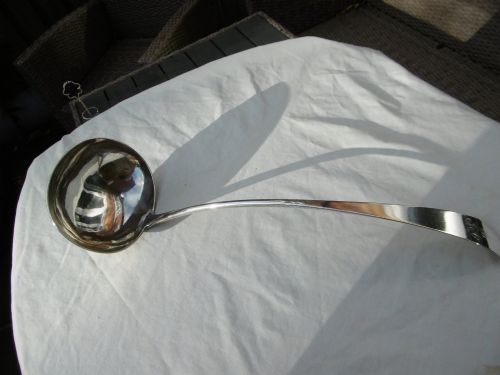
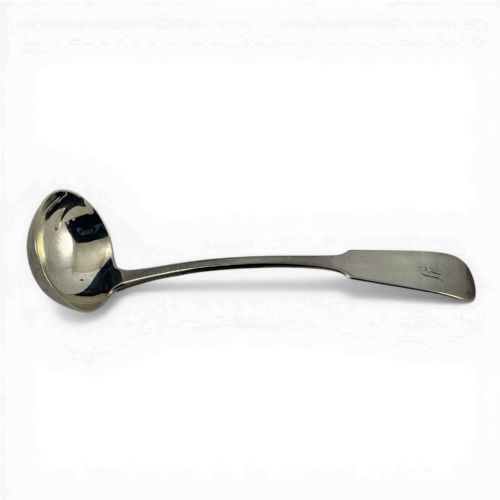
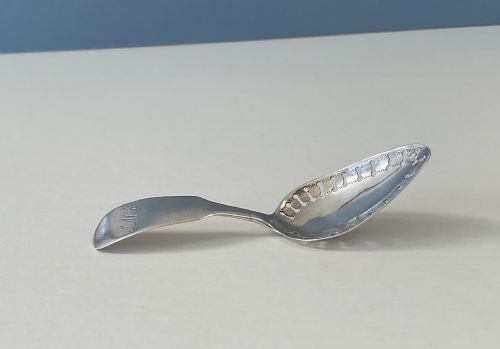
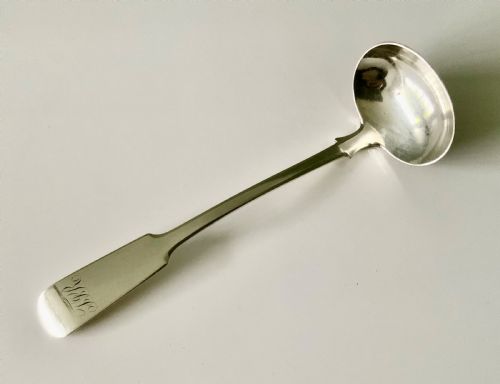
When you search for scottish provincial silver spoons, you are looking at flatware and cutlery forged outside the main urban assay offices in towns such as Inverness, Elgin, Aberdeen, Arbroath, and Glasgow. These pieces span the Georgian, George III, George I, and Victorian periods, including everything from large soup ladles and basting spoons to delicate tea caddy spoons, condiment spoons, and salt spoons.
The versions you are most likely to meet on this page include Georgian tablespoons, toddy ladles, and mustard spoons, often wrought in sterling silver or silver, with occasional horn elements. Each piece bears the particular local touch of provincial workshops, distinguishing them from standard capital output.
Materials and methods
The smiths shaping scottish provincial silver spoons relied on sterling silver and silver, hammering ingots into durable flatware such as rat tail tablespoons and heavy soup ladles. Horn also appears in the physical record, utilised alongside silver for specific forms.
Makers struck their pieces with idiosyncratic town and maker marks rather than standard assay office punches, reflecting the independent working methods of northern and regional Scottish silversmiths.
Some toddy ladles carry the scars of vigorous punch mixing, reminding us that regional silversmiths occasionally used whatever hammer was closest to hand.
Assessing quality
Quality in scottish provincial silver spoons rests on the crispness of the maker and town marks stamped into the metal, as well as the substantive weight of the silver in pieces like soup ladles and basting spoons. Thicker gauges in the stem and bowl indicate superior survival through centuries of use.
The refinement of the hand-beaten form, whether an early rat tail profile or a later provincial fiddle pattern, separates standard utility flatware from the finest surviving regional work.
Milne and Campbell·William Ferguson·James Tait·Jamieson and Naughton
The Scottish Provincial Silver Spoons Glossary
- Provincial silver
- Silverware manufactured outside major capital assay centres, bearing local maker and town marks. These regional pieces often display unique punch combinations.
- Rat tail
- A strengthening tongue of metal running down the back of a spoon bowl, typical of early Georgian flatware. This feature reinforces the joint between bowl and stem.
- Caddy spoon
- A short spoon designed for measuring loose tea leaves into a caddy, frequently produced with decorative bowls during the Georgian period.
- Toddy ladle
- A small ladle used for serving hot whisky toddy, often featuring a twisted whalebone or silver handle and a provincial silver bowl.
Scottish Provincial Silver Spoons: Frequently Asked Questions
What makes scottish provincial silver spoons different?
These spoons were produced by silversmiths working in regional towns rather than major city assay offices, resulting in unique local punch marks.
This decentralised production means individual pieces often display distinct regional characteristics that help identify their specific geographical origin.
How can I tell the period of these spoons?
Stylistic indicators such as rat tail drops, bowl shapes, and stem profiles provide clear clues to whether a piece dates to the George I, George III, or Victorian eras.
Maker marks and town punches recorded in the silver also anchor the pieces within specific historical decades.
What types of spoons are included?
The category encompasses a wide array of domestic and serving silver, ranging from large soup and basting ladles to small condiment, salt, and tea caddy spoons.
Table spoons and toddy ladles also appear frequently across the Georgian and Victorian listings.
How should I care for provincial silver?
Gentle washing in warm soapy water with a soft cloth preserves the historic surface and town marks without removing the character built up over centuries.
Harsh abrasive dips should be avoided to protect the integrity of the antique silver and any subtle maker stamps.