



Scottish Impressionist Oil
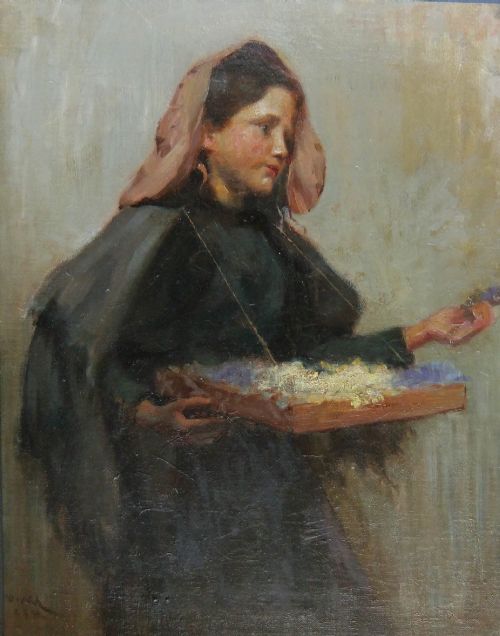
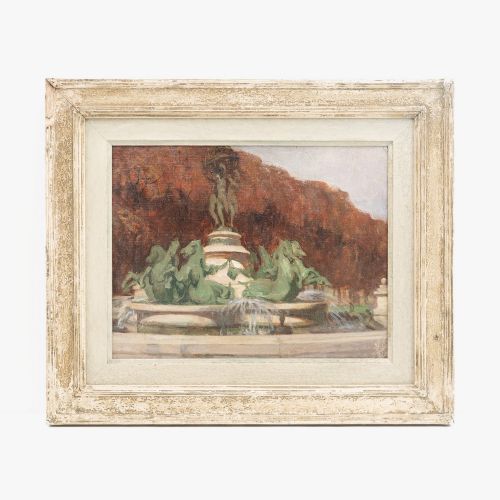
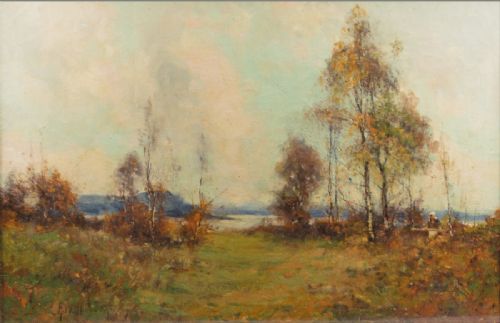
These scottish impressionist oil works capture changing light and coastal weather through loose brushwork and varied regional scenes.
Scottish Impressionist Oil
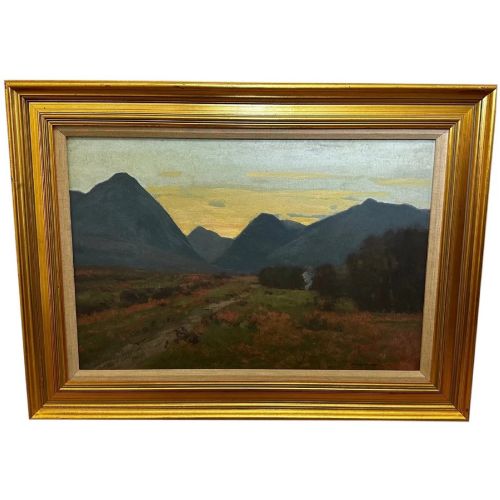
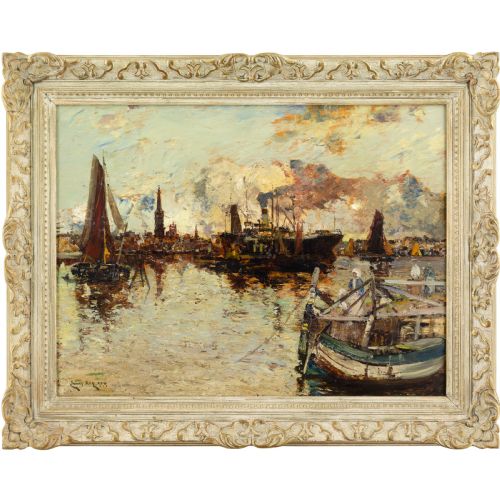
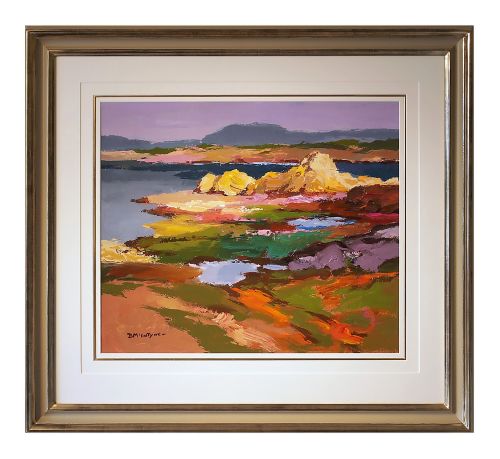
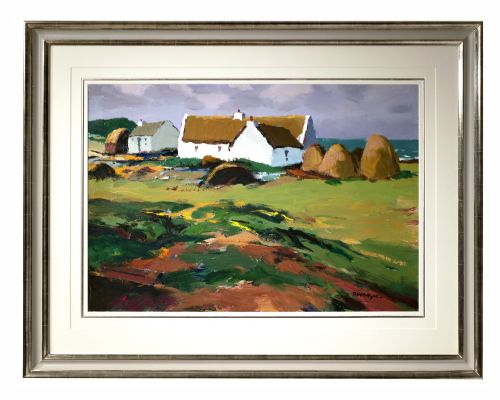
A scottish impressionist oil painting represents landscapes, coastal harbours, and rural scenes executed across several decades from the Victorian era into the mid-century. The selection frequently includes works on canvas and board produced by notable regional artists working within impressionist and post-impressionist traditions.
Makers recorded in the evidence range from late nineteenth-century painters through to mid-century modernists. Subjects span Scottish rivers, local villages, and foreign travels, captured with visible paint texture and naturalistic light.
How they were made
These works rely on oil paint applied to canvas, wood panels, or rigid board supports. Artists utilise brush and palette knife techniques to build texture and impasto surface quality.
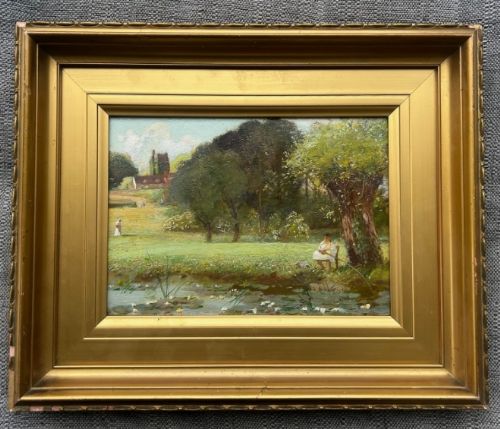
Framing often involves gilt wood mouldings that complement the painting style. The application of paint ranges from smooth blended passages to thick, energetic strokes characteristic of the period.
Listings feature works spanning from the Victorian era through the 1960s, utilising oil paint on canvas, board, and wood.
What varies in quality
Quality rests in the handling of light and the confidence of the brushwork across the composition. Stronger examples demonstrate a sure command of tone and atmosphere rather than mere topographical accuracy.
The choice of support and the preservation of the original paint surface influence the overall presence of the piece. Works that retain their vigorous impasto and balanced palette stand out within the tradition.
George Houston RSA RSW·James Kay RSW·Donald McIntyre·William Watt Milne·Alexander Jamieson·Alexander Wellwood Rattray·Archibald Kay RSA RSW·Sir David Murray·Thomas Bromley Blacklock·William Grant Murray·Robert Russell MacNee·William Miller Frazer·James Torrington Bell·Owen Bowen·Robert Macaulay Stevenson·Robert McGregor·George Smith RSA·Josephine Haswell Miller·George Melvin Rennie·Alastair Flatterly·James G Faulds·Allan Douglass Mainds·George Neil·Helen Monro Turner·Joseph Milne
The Scottish Impressionist Oil Glossary
- Impasto
- Paint applied thickly to a canvas or board, standing out from the surface so that the marks of the brush or palette knife remain visible. This technique adds tactile depth and catches light across the landscape.
- Board
- A rigid wooden or composition panel used as a painting support instead of stretched canvas. Artists often favoured board for smaller outdoor sketches due to its durability.
- Gilt wood
- Timber framing coated in gold leaf or metallic paint. Period frames enhance the visual weight of oil paintings.
- Canvas
- Woven fabric stretched across a wooden frame to form the painting ground. It provides a traditional flexible surface for oil applications.
Scottish Impressionist Oil: Frequently Asked Questions
What subjects appear most often in these paintings?
The works primarily depict Scottish landscapes, coastal harbours, and rural farmyards. Scenes often feature rivers, mountains, and local towns captured under changing daylight.
Artists also recorded coastal shipping and foreign street scenes during their travels. The focus remains on atmospheric conditions and regional geography.
How do I identify the period of an oil painting?
Dating relies on artist lifespan records, stylistic shifts from Victorian realism towards impressionist brushwork, and framing materials. Signatures and exhibition labels on the reverse provide further chronological clues.
Support materials also indicate eras, with early twentieth-century works appearing on canvas or wood panel and mid-century examples frequently utilising board.
Where should I hang these framed artworks?
These paintings suit rooms with stable humidity and indirect natural light to protect the oil paint and gilt wood frames. Placing them away from direct heat sources preserves the canvas or board support.
Well-lit wall space allows the impasto texture and brushwork to be viewed clearly from a distance.
How do canvas and board supports differ?
Canvas provides a flexible woven surface traditionally stretched over a wooden frame, allowing for subtle give under the brush. Board offers a rigid wooden or composite base that resists flexing.
Painters often selected board for portable outdoor studies, whereas larger compositions typically utilised stretched canvas.