



Scottish Impressionist Artwork
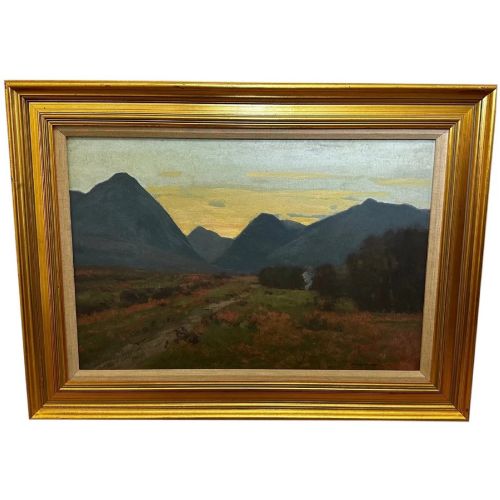
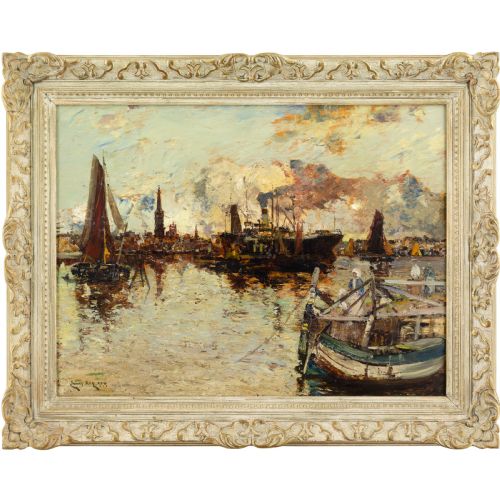
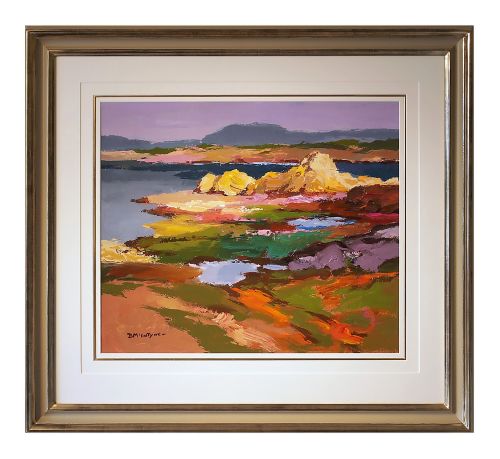
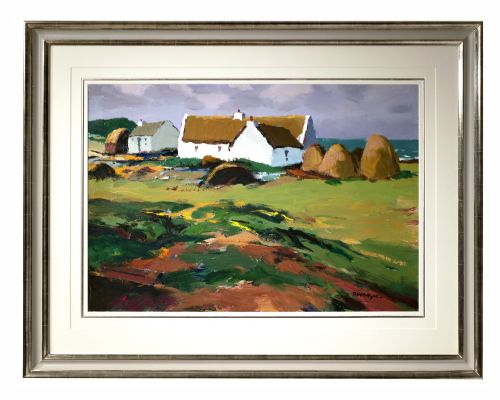
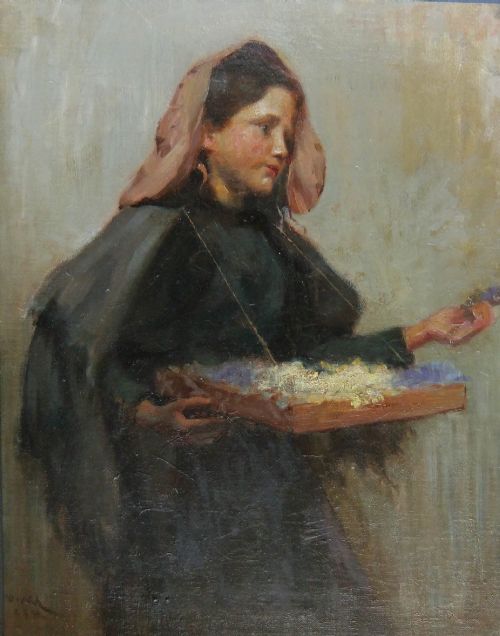
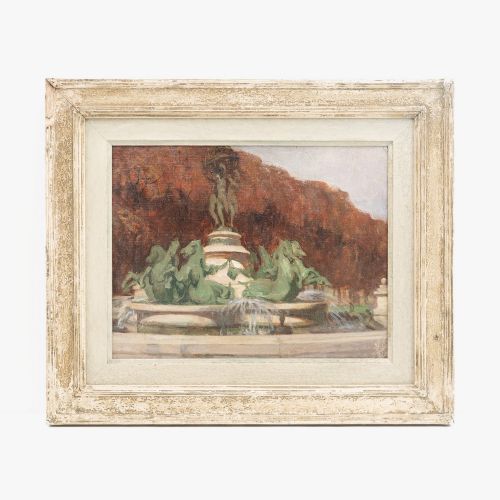
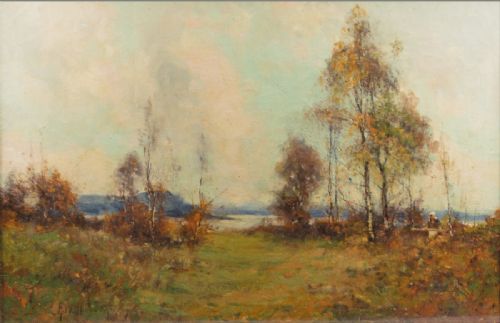
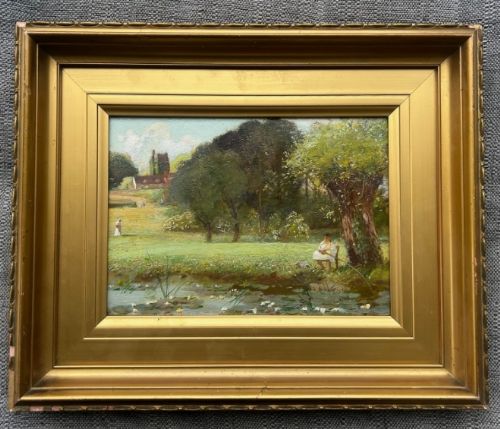
These pieces of scottish impressionist artwork capture northern light and coastal air through oil paint on canvas, board, or wood.
Scottish Impressionist Artwork
When you search for scottish impressionist artwork, you encounter oil paintings and watercolours depicting landscapes, harbours, and rural scenes from the nineteenth and twentieth centuries. The pieces on this page span the Victorian era, the Edwardian period, and mid-century modern movements.
The most common formats include framed oil paintings on canvas or board, alongside occasional watercolour works. Painters capture subjects ranging from coastal villages in Fife and the Hebrides to inland rivers and farmyards.
Makers and painters represented here include figures associated with Scottish academies, working through the decades from the late Victorian period into the mid-twentieth century. Their compositions balance observational realism with rapid brushwork and atmospheric colour.
Materials and Technique
Artists apply oil paint to supports of canvas, wood panels, or millboard, often building texture with thick impasto strokes. Watercolours on paper appear alongside these oil works.
Gilt wood frames frequently house the paintings, providing a traditional border that reflects the period of creation. Brushwork varies from smooth blending to energetic, visible marks that render light and shadow quickly.
Period styles include Edwardian impressionism, post-impressionism, and mid-century modern British painting.
Quality and Execution
Quality rests on the confidence of the brushwork and the artist's handling of atmospheric light and tonal balance. Stronger works demonstrate a command of colour and composition that brings depth to rural and marine subjects.
The integration of the painted surface with its period frame also influences the overall integrity of the piece. Finer examples retain their original surface texture without excessive overpaint or loss to the ground.
George Houston·James Kay·Donald McIntyre·William Watt Milne·Alexander Jamieson·Alexander Wellwood Rattray·Archibald Kay·Sir David Murray·Thomas Bromley Blacklock·William Grant Murray·Robert Russell MacNee·Robert Gemmell Hutchinson·William Miller Frazer·James Torrington Bell·Owen Bowen·Hirst Walker·Robert Macaulay Stevenson·Robert McGregor·Emily M Paterson·George Smith·Josephine Haswell Miller·George Melvin Rennie·Alastair Flatterly·James G Faulds·Allan Douglass Mainds
The Scottish Impressionist Artwork Glossary
- Impasto
- Paint applied thickly to a canvas or board, standing out in relief from the surface so that the brush or palette knife marks remain visible.
- Oil on Board
- A painting executed with oil colours directly onto a rigid wooden or composite board rather than stretched fabric.
- RSA
- Royal Scottish Academy, an institution whose members frequently signed their canvases with these post-nominal letters.
- RSW
- Royal Scottish Society of Painters in Watercolour, indicating an artist recognised for proficiency in water-based media.
Scottish Impressionist Artwork: Frequently Asked Questions
What subjects do these paintings show?
The works depict Scottish landscapes, coastal harbours, fishing villages, and agricultural scenes. Painters recorded local topography from the Hebrides to the Scottish Borders.
Subjects also extend to continental scenes, including French townscapes and Venetian canals, painted by artists travelling abroad.
How should I care for an oil painting?
Keep paintings away from direct sunlight and fluctuating humidity to protect the canvas and wooden supports. Avoid using liquid cleaners on the painted surface.
Dust the frame gently with a dry, soft brush. Professional conservators should handle any cleaning of the paint layer.
Are these works signed by the artists?
Many examples feature signatures or initials applied by the painter, often placed in a lower corner of the canvas. Some pieces include inscriptions on the reverse.
Attributions for unsigned works rely on stylistic comparisons, recorded exhibition histories, and documentation associated with the painter.
What framing is typical for these pieces?
Works commonly appear in period gilt wood frames that complement the painting style. These frames range from ornate moulded designs to simpler profiles.
Original frames contribute to the historical context of the artwork, showing the finish preferred during the artist's lifetime.