

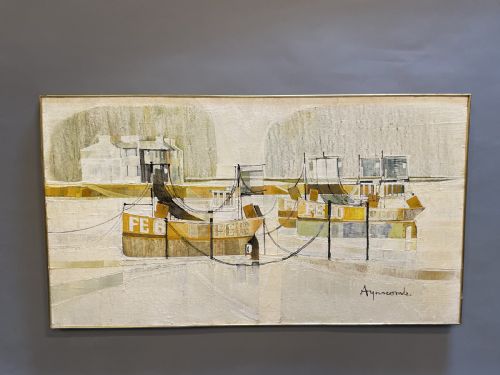


Cream Impasto Oil Painting
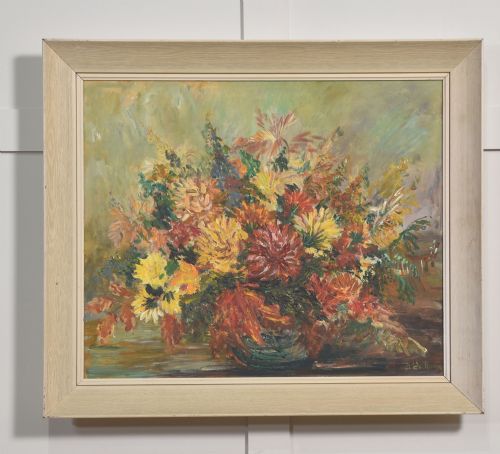
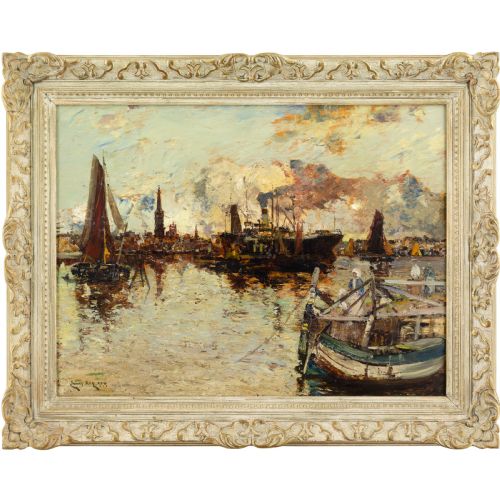
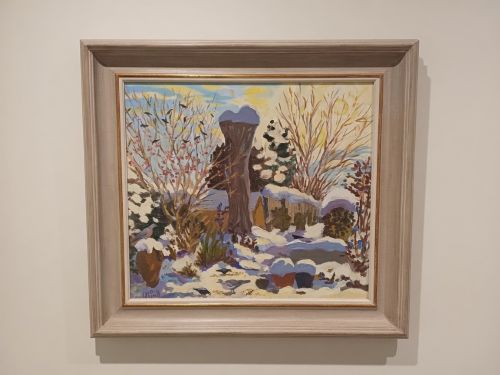
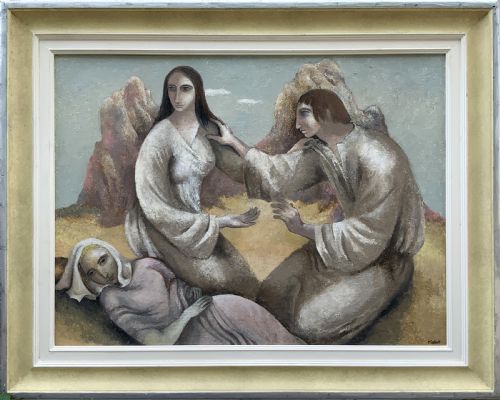
A cream impasto oil painting brings tactile depth and rich surface texture to a room through thick layers of pigment.
Cream Impasto Oil Painting
A cream impasto oil painting relies on heavy pigment application where the brush or palette knife marks remain distinct and raised from the surface. When searching for a cream impasto oil painting, buyers encounter works spanning from the nineteen-tens through to the nineteen-sixties and beyond.
The subjects on this page range from floral still lifes and landscape scenes featuring snowy winter feeds and lavender fields to coastal views of Folkestone Harbour and Polperro, alongside intimate portraits and figurative studies.
The dominant styles represented include Impressionism, Mid-Century Modernism, and Modern British, capturing both French and British artistic movements from the twentieth century.
Materials and construction
These works are constructed using oil paint applied thickly onto stretched canvas or rigid board supports framed in wood.
Artists utilise brushes and palette knives to build up the heavy paint layers that define the impasto technique, allowing the physical texture of the medium to catch the light.
Cream Impasto Oil Painting Retail Price Guide 2026
Typical asking prices for cream impasto oil painting among the pieces listed under this phrase on Sellingantiques today, from the lower quarter to the upper quarter. They describe what is for sale here now, not the wider market.
Several paintings record quiet moments by the coast and tranquil countryside views, preserving the distinct texture of mid-century British light.
Assessing quality in these works
Quality rests upon the confidence of the brushwork and the expressive handling of the thick pigment across the support. Stronger pieces demonstrate a purposeful rhythm in the knife or brush marks that defines form and space rather than merely adding bulk.
The integration of the cream and neutral tones within the composition creates a balanced interplay between light and shadow, distinguishing the more accomplished works from simpler applications.
James Kay RSW·Lucy Pratt·Christine Nesbit·Gaetan Dumas·Jeffrey Pratt·Edward M Elliott·Jack R Mould
The Cream Impasto Oil Painting Glossary
- Impasto
- A technique where paint is laid onto a canvas in very thick areas, usually thick enough that the brush or painting-knife strokes are visible. This method adds a tangible, three-dimensional quality to the surface of the artwork.
- Oil paint
- A type of slow-drying paint consisting of particles of pigments suspended in a drying oil, commonly linseed oil. It allows for rich colour saturation and extended working times.
- Canvas
- A closely woven fabric used as a surface for oil painting, typically stretched taut across a wooden frame. It provides a slightly flexible yet resilient ground for heavy pigment.
- Board
- A rigid flat panel, such as wood or masonite, used as a sturdy support for painting instead of flexible fabric. It offers a completely stable surface that resists flexing.
Cream Impasto Oil Painting: Frequently Asked Questions
How should I clean a textured oil painting?
Dust accumulates easily on the raised surfaces of thick paint applications. Use a very soft, dry brush to gently sweep across the textured areas without pressing into the valleys.
Avoid using water, damp cloths, or chemical cleaners on the paint surface. Professional conservators should handle any deeper cleaning needs.
Do these paintings require specific framing?
Most of these works suit traditional wooden frames that protect the edges of the canvas or board. The frame should provide enough depth so that the raised impasto surface does not touch the glass, if glazing is used.
Many oil paintings on canvas breathe best without glass entirely, provided the room environment remains stable.
How do I date mid-century impasto works?
Dating relies on stylistic markers within the brushwork, the type of support materials, and signatures or artist records. Mid-century pieces often reflect modernist landscapes or impressionist coastal scenes popular during the nineteen-fifties and sixties.
Examine the reverse of the canvas or board for handwritten notes, old gallery labels, or stamps from framers and retailers.
What is the difference between canvas and board supports?
Canvas provides a woven texture that yields slightly under the brush and expands or contracts with humidity changes. Board offers a completely rigid ground that prevents any flexing of the hardened oil paint layers.
Both supports appear frequently across twentieth-century British and European art.