
Scottish Highland Art Canvas
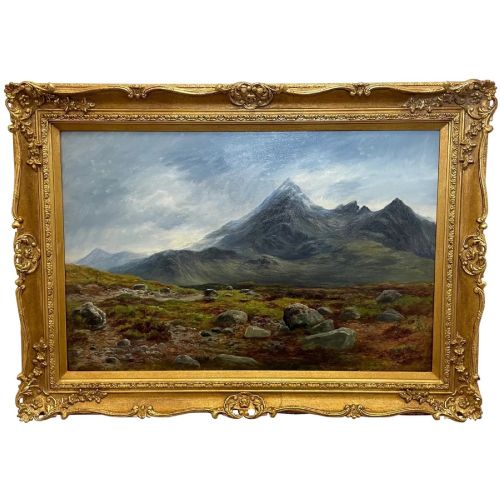
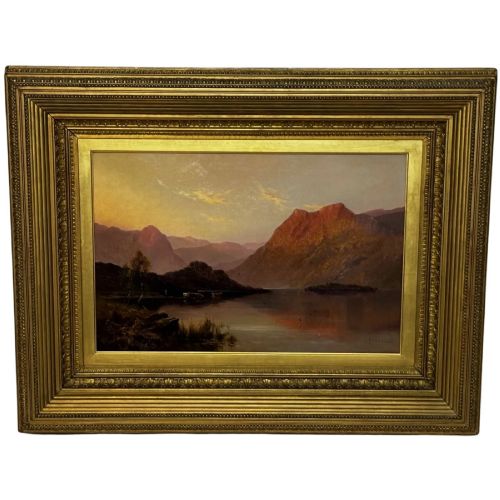
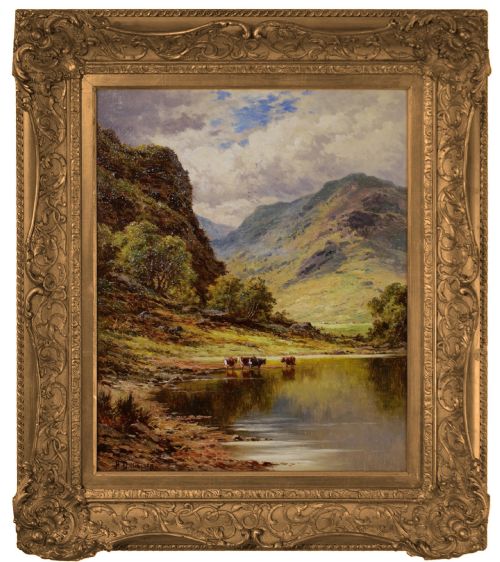
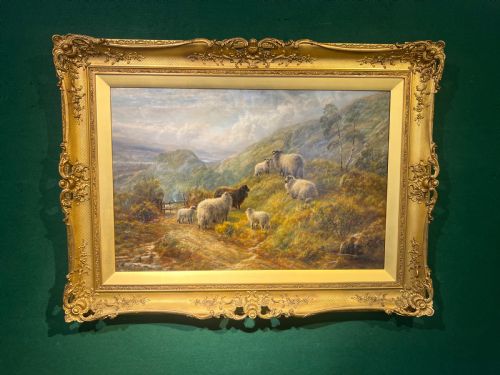
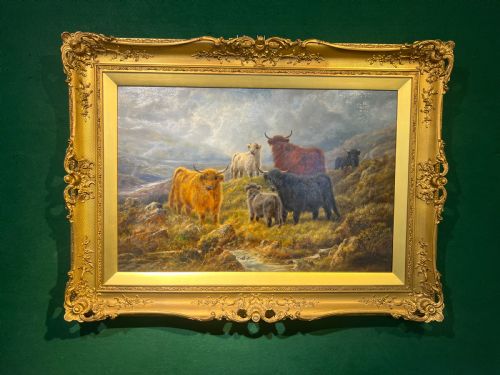
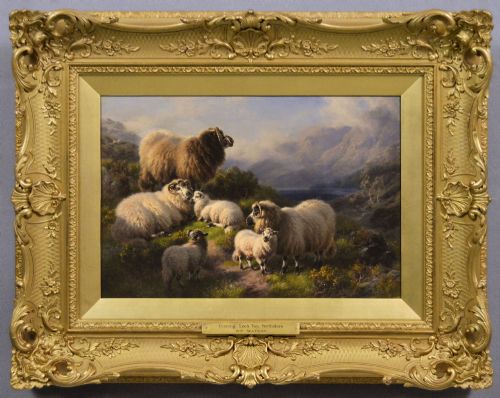
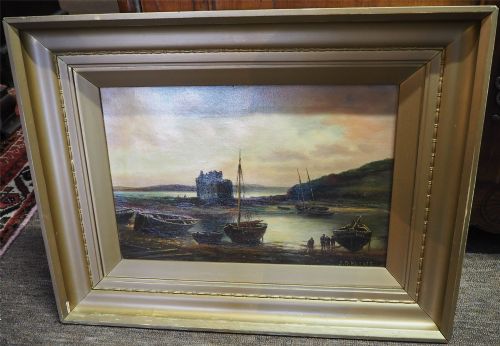
When you search for scottish highland art canvas, you are looking at oil paintings on canvas depicting northern scenery, lochs, cattle and figures from the nineteenth and early twentieth centuries.
Scottish Highland Art Canvas
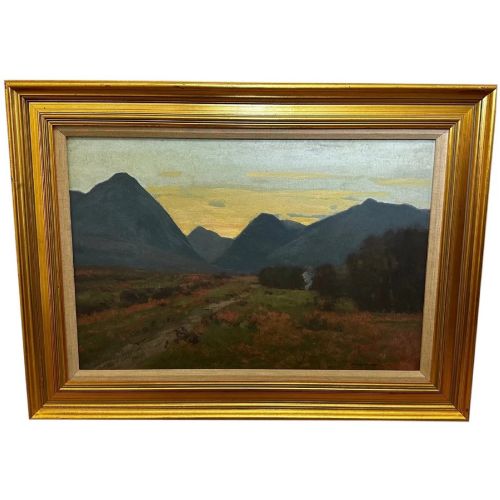
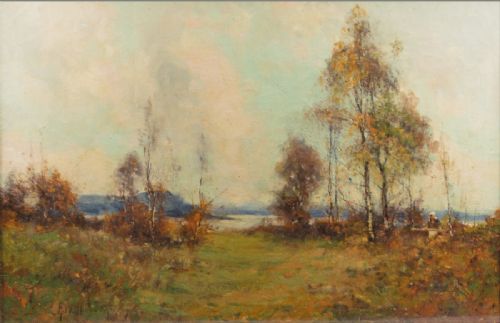
These works consist primarily of oil paintings on canvas capturing landscapes, lochs, and rural scenes from the Scottish Highlands. The selection spans the Victorian era through the early twentieth century, showing artists working in styles ranging from detailed realism to Scottish Impressionism.
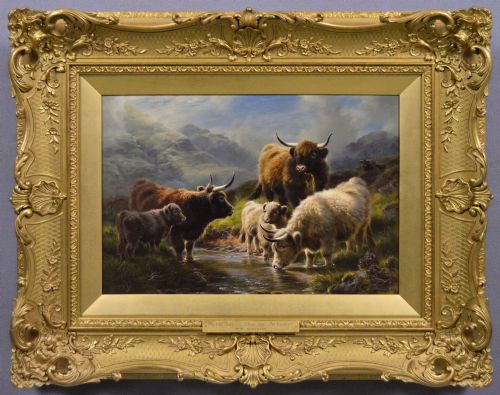
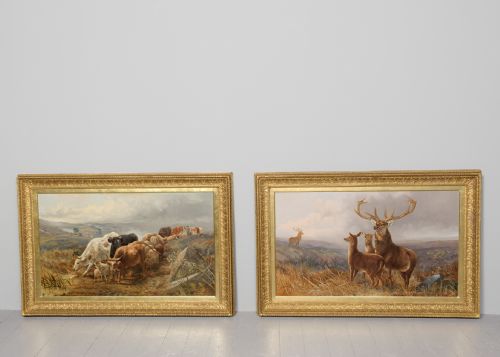
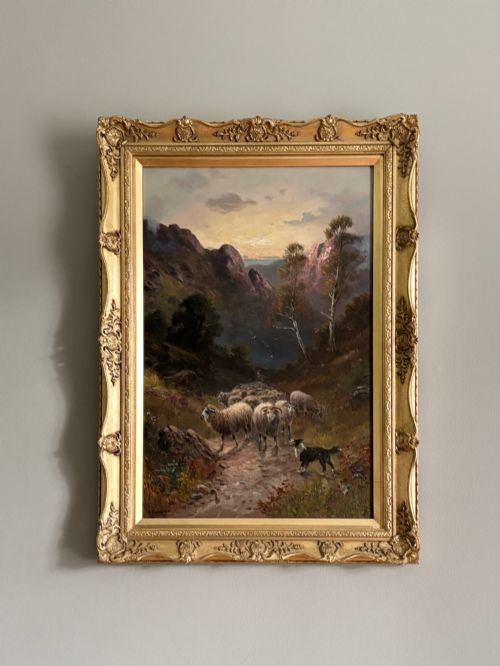
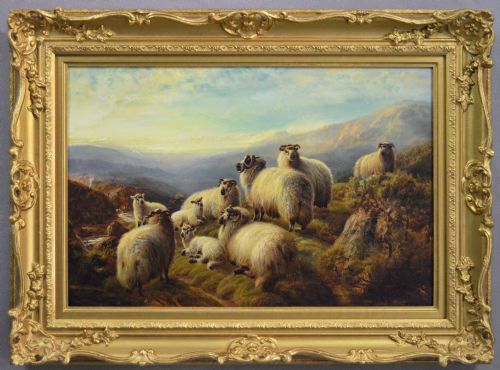
The most common subjects encountered here are highland cattle, sheep resting by lochs, and expansive mountain vistas rendered by named and regional artists. Works vary from intimate cabinet paintings to large framed exhibition pieces intended for prominent display.
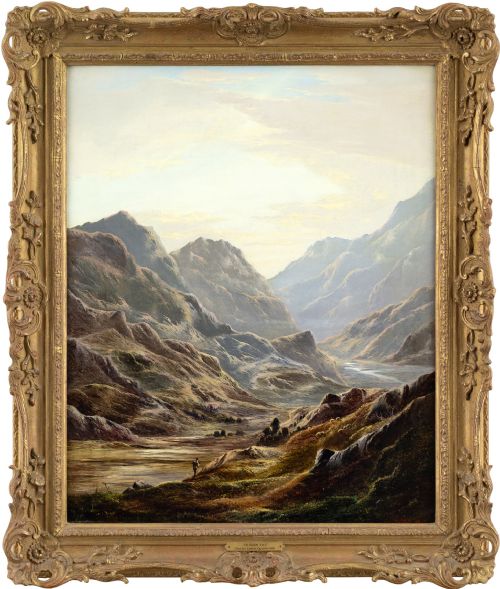
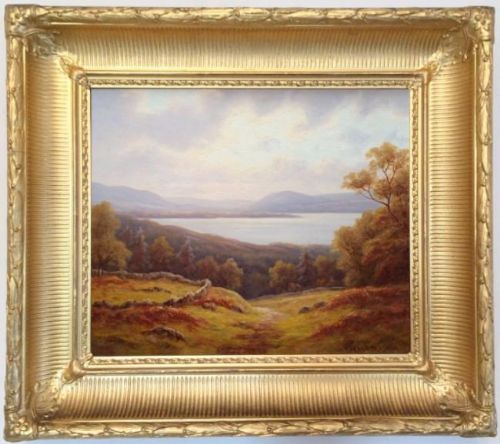
Many examples record specific locations such as Loch Tay, Glen Tilt, and Ben Lawers, capturing the atmospheric light and weather of northern terrain. Painters utilise traditional oil techniques to portray wool textures, water reflections, and distant peaks.
Materials and construction
Painters applied oil paint directly onto stretched canvas surfaces, often mounted within substantial wooden frames decorated with gesso and gold leaf. The interaction of oil paint with canvas allowed artists to build rich layers of colour and texture.
Framing frequently incorporates moulded gesso details finished in giltwood, which complements the warm tones of the oil compositions. Wood supports and stretchers provide the structural foundation for the fabric support.
Highland cattle stare out from canvas with a solemn dignity that suggests they know they are the star of the glen.
Assessing quality and execution
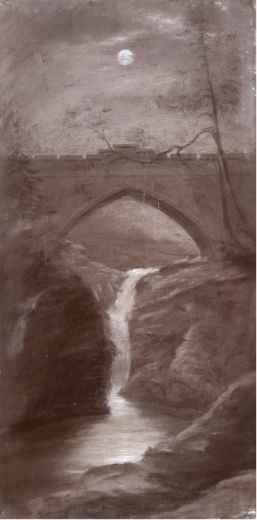
Quality separates in the handling of atmospheric light, topographical accuracy, and the confident rendering of animal anatomy such as highland cattle and sporting dogs. Master works capture the specific mood of a Scottish morning mist or evening nocturne with precise brushwork.
The sophistication of the original giltwood and gesso framing often indicates the status of the commission, as does the presence of a clear signature and recorded provenance from the Victorian period onwards.
William Beattie-Brown·Alfred Fontville de Breanski·George Houston·Henry H. Parker·Robert Watson·William Watson Jnr·Robert Cleminson·Charles Leslie·Alexander Wellwood Rattray·Everett Watson Mellor·Archibald Kay·Henry Robinson Hall·William Grant Murray·Sidney Yates Johnson·Charles Jones·Sir David Murray·George Melvin Rennie·William Miller Frazer·John W. Morris
The Scottish Highland Art Canvas Glossary
- Oil on Canvas
- A painting medium where pigments bound in drying oil are applied to a woven fabric support. This method permits subtle blending and rich impasto textures.
- Giltwood
- Wood that has been coated with gold leaf or gold paint. It forms the decorative surface of many traditional picture frames.
- Gesso
- A paint mixture consisting of a neutral binder mixed with chalk, gypsum, or pigment. It prepares wooden frames and panels for gilding.
- Scottish Impressionism
- A painting style influenced by continental movements, focusing on natural light, loose brushwork, and plein air observation. Practitioners applied these techniques to northern landscapes and coastal scenes.
- Victorian Landscape
- A genre of painting popular during the nineteenth century emphasising topographical detail, dramatic weather, and pastoral tranquility.
Scottish Highland Art Canvas: Frequently Asked Questions
What subjects appear in these paintings?
The canvases predominantly show highland cattle, sheep, lochs, mountains, and rural figures in settings across Scotland. Scenes range from quiet morning mists over water to winter snowscapes and sporting subjects.
Artists recorded specific locations such as Loch Tay, Glen Tilt, and Ben Lawers, capturing the changing light and weather conditions of the northern terrain.
How do I date these artworks?
Dating relies on stylistic markers, artist biographical dates, and framing techniques characteristic of the Victorian and Edwardian periods. Many pieces carry signatures, exhibition labels, or dates inscribed by the artist on the canvas or stretcher.
The evolution from detailed Victorian realism toward freer impressionist brushwork in the early twentieth century also helps establish chronology.
How should I care for an oil painting on canvas?
Display the canvas away from direct sunlight, high humidity, and rapid temperature fluctuations to prevent paint cracking and wood warping. Dust the surface and the decorative frame gently with a soft, dry brush without applying pressure.
Avoid using liquid cleaners or touching the painted surface directly, as oils and moisture can damage the pigment layer over time.