






Scottish Country Chairs
These scottish country chairs are regional seats built for hard daily use, combining sturdy vernacular timbers with honest local craft.
Scottish Country Chairs
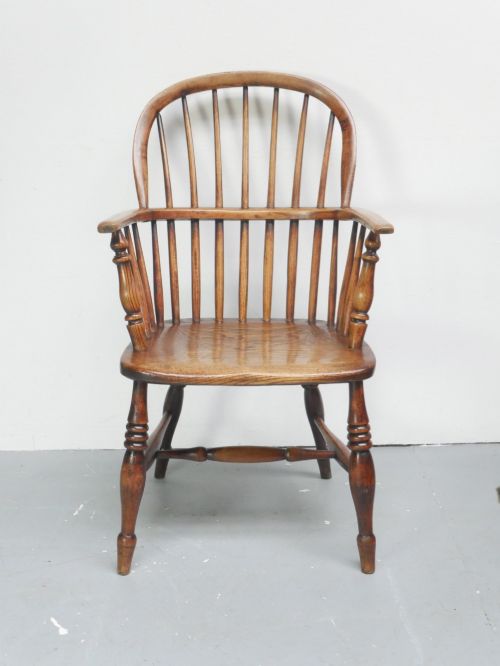
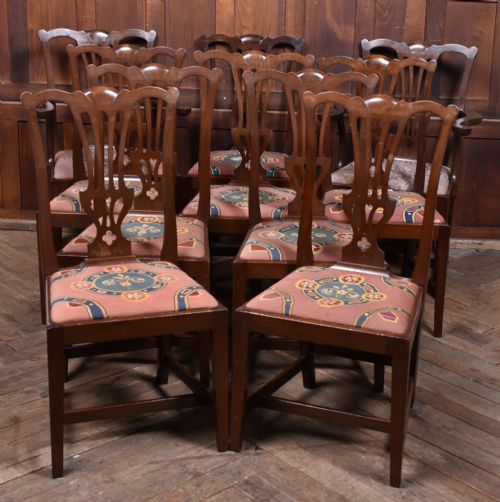
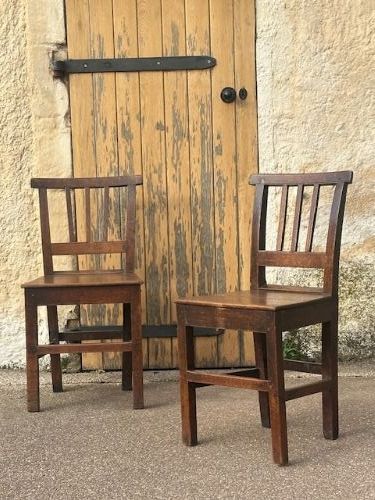
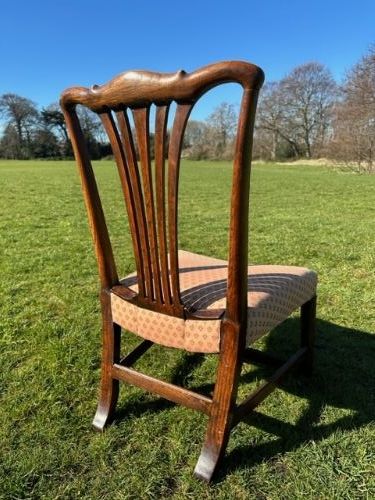
When you search for scottish country chairs, you are looking at domestic seating shaped by local traditions, vernacular workshops, and rural households. The examples gathered here range widely in form, from low crofter seats and spindle-backed Windsors to formal dining chairs and high-backed Orkney designs.
The pieces you are most likely to meet on this page date from the eighteenth and nineteenth centuries, alongside early twentieth-century interpretations. They appear in forms such as armchairs, side chairs, rocking chairs, and dining sets.
Makers and regional hubs across Scotland developed distinct structural habits, utilising local timber supplies to build chairs suited to specific domestic tasks. A buyer encounters everything from humble elm crofter chairs to sophisticated mahogany seating made in urban workshops.
How they were made
Makers built these chairs using native hardwoods like oak, elm, ash, and beech, often combining multiple timbers within a single frame for structural strength. Seats frequently incorporate woven rush, straw, or upholstery fabric, depending on the regional tradition and the intended comfort of the sitter.
Joinery techniques rely on solid pegged joints, turned spindles, and steam-bent components rather than modern adhesives. Brass fittings and needlepoint seat covers appear on select formal examples, contrasting with the plain wooden surfaces of utilitarian vernacular pieces.
Scottish Country Chairs Retail Price Guide 2026
Typical asking prices for scottish country chairs among the pieces listed under this phrase on Sellingantiques today, from the lower quarter to the upper quarter. They describe what is for sale here now, not the wider market.
Some nineteenth-century makers added straw backs so tight they could withstand decades of Scottish winter gales without a single draft getting through.
What varies in quality
The distinction between standard utility seating and exceptional pieces rests on the integrity of the timber and the ambition of the regional design. Chairs retaining their original rush seats, unclipped turnings, and untouched surface patination command greater interest among collectors.
Proportion and execution separate everyday regional items from masterworks attributed to known cabinetmakers or specific workshops. Whytock and Reid or Morison and Co pieces demonstrate refined urban execution, whereas rural crofter chairs derive their appeal from honest regional survival.
Whytock and Reid·Morison and Co·Wheelers of Arncroach·Duncan McKellar
The Scottish Country Chairs Glossary
- Vernacular
- Everyday objects made by local craftspeople using regional traditions rather than high-style metropolitan patterns. These pieces reflect the practical needs of their immediate communities.
- Orkney Chair
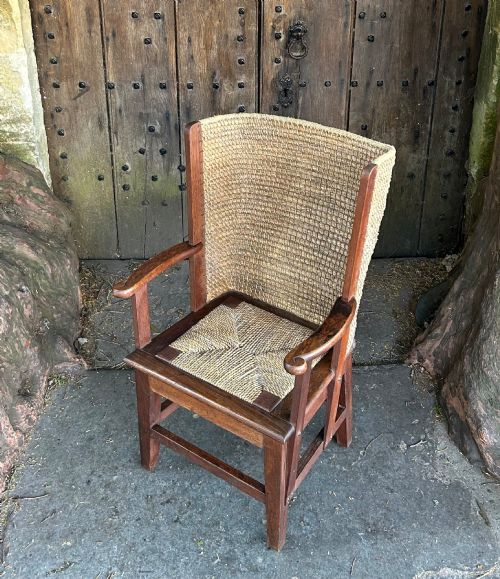
- A traditional Scottish seat featuring a high, woven straw back designed to shield the occupant from cold draughts. They often incorporate low wooden frames and small side compartments.
- Windsor Chair
- A seat built with a solid wooden saddle-shaped seat into which the legs and back spindles are wedged directly. Regional variants often display distinctive local turning patterns.
- Lambing Chair
- An enclosed armchair traditionally featuring high solid sides and a hooded top to keep out cold air near a hearth. Early versions are frequently constructed from native oak.
- Bobbin Turning
- A decorative woodworking technique where the lathe creates a series of rounded, spool-like shapes along a stretch of wood. It appears frequently on nineteenth-century vernacular frames.
Scottish Country Chairs: Frequently Asked Questions
What is an Orkney chair?
An Orkney chair is a distinctive Scottish seat built with a tall, oat-straw back woven around a wooden frame. This design protected sitters from stone cottage draughts.
They often include small under-seat drawers and low wooden arms, pairing local timber with traditional straw-working skills.
How do I spot a regional Scottish chair?
Look for specific regional construction methods, local timber choices like elm and ash, and vernacular turning styles. Chairs from the Northern Isles or Ayrshire often display distinct structural habits.
Comparing the spindle arrangement and seat shape helps connect a piece to traditional Scottish country forms.
Were these chairs used for dining?
While many survive as individual armchairs or fireside seats, makers also produced matched sets for dining rooms. Formal urban workshops supplied dining chairs in walnut and mahogany.
Plain oak and ash sets served everyday household meals in rural farmhouses and country houses.
How do I care for rush seats?
Rush seating requires stable indoor humidity to prevent the natural material from drying out or becoming brittle. Avoid placing these chairs near direct heat sources or in damp spaces.
Gentle dusting is sufficient for maintenance, as modern cleaning liquids can damage the organic fibres.