



Scottish Collectibles
These scottish collectibles bring together horn, treen and metalwork from the nineteenth and early twentieth centuries, offering a tangible link to domestic history.
Scottish Collectibles
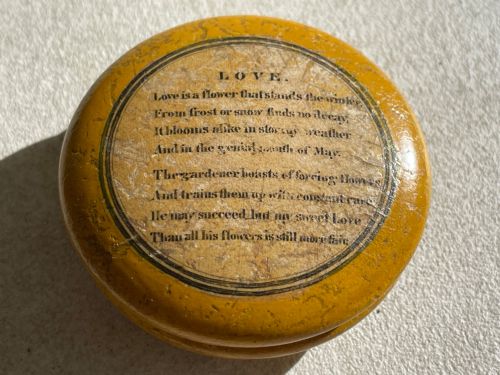
When searching for scottish collectibles, buyers encounter a diverse array of items ranging from nineteenth-century treen and snuff mulls to early twentieth-century bronze sculptures and car mascots. The selection spans domestic treen, horn objects, and commemorative pieces from the Victorian era onward.
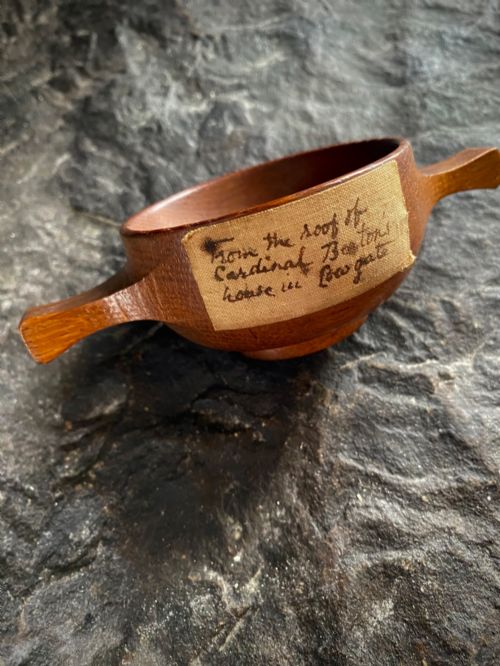
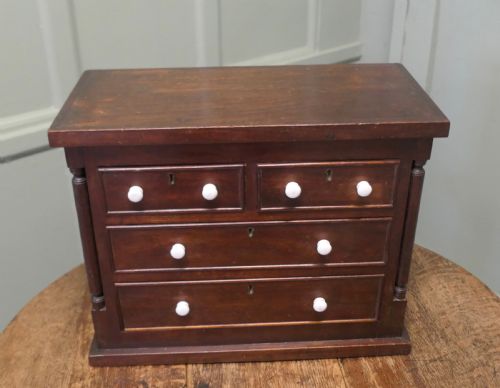
Woodenware and treen items, including miniature scotch chests and quaichs with historical provenances, represent traditional craftsmanship. Meanwhile, horn and staghorn appear frequently in practical objects such as snuff boxes and cribbage boards.
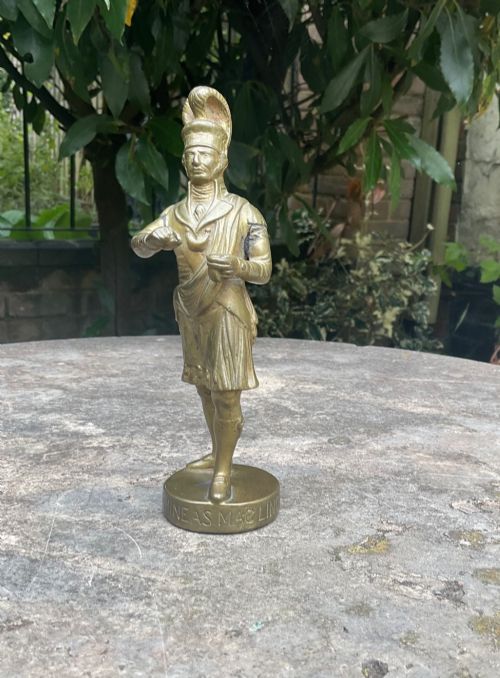
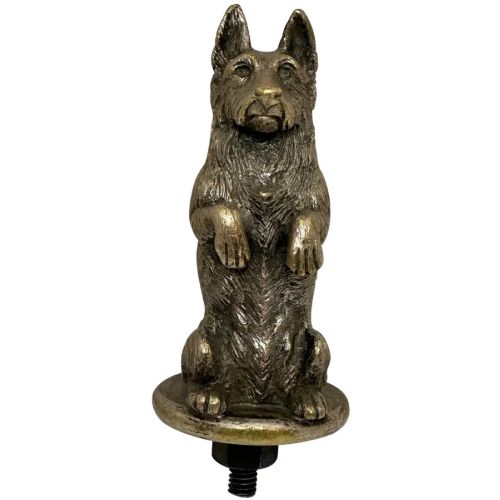
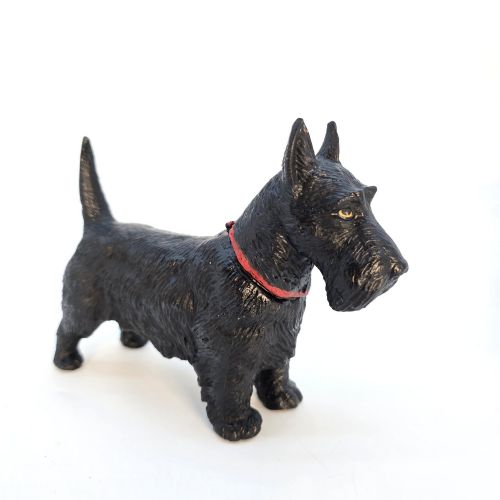
Figural works and desk accessories add variety to the grouping, featuring bronze terriers, table lighters, and painted porcelain. These diverse forms reflect both everyday Scottish life and decorative arts of the period.
How they were made
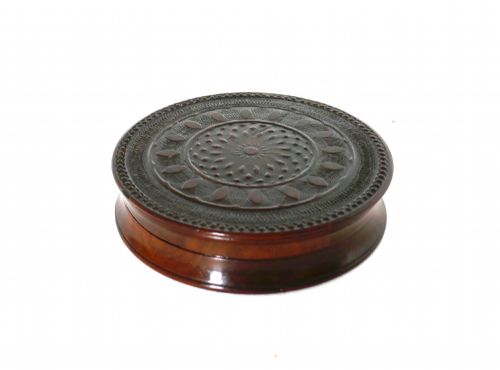
Natural materials like horn, staghorn, laburnum, birch and hardwood form the substrate for much of the treen and snuffware, shaped through turning and hand carving. Engine turning and silver mounts frequently accent the organic textures of horn and wood.
Metal objects utilise casting techniques for bronze sculptures, car mascots, and table lighters, sometimes paired with hand painting. Ceramic and paper items rely on traditional pottery decoration and bookbinding methods.
Scottish Collectibles Retail Price Guide 2026
Typical asking prices for scottish collectibles among the pieces listed under this phrase on Sellingantiques today, from the lower quarter to the upper quarter. They describe what is for sale here now, not the wider market.
Listings span the nineteenth century through the 1930s, incorporating Victorian, Edwardian, and Art Deco styles across horn, silver, and hardwood forms.
What varies in quality
The degree of fine detail in carved horn, engine-turned treen and cast bronze determines the distinction between standard production and superior craftsmanship. Crisp execution in the surface decoration and mounts elevates a piece.
Provenance and documented associations, such as labels detailing historical origins or identified makers and artists, separate ordinary items from those of greater historical interest.
Edith Parsons·Meyer And Mortimer·Harry Stinton
The Scottish Collectibles Glossary
- Quaich
- A traditional Scottish two-handled drinking vessel, typically turned from wood or fashioned from metal.
- Snuff Mull
- A Scottish container for holding snuff, traditionally made from ram's horn or other animal horn and often mounted with silver.
- Treen
- Small handmade wooden domestic objects and treenware, valued for their material and utility.
- Apprentice Piece
- A small-scale model or sample furniture piece made by an apprentice to demonstrate skill to a guild.
- Engine Turned
- A method of mechanical ornamentation on wood, metal or ivory using a lathe to produce precise geometric patterns.
Scottish Collectibles: Frequently Asked Questions
What materials are common in scottish collectibles?
The selection relies heavily on organic materials such as horn, staghorn, laburnum, and various hardwoods alongside cast bronze, silver, and ceramics.
Craftsmen utilised these durable substances to create functional items like snuff boxes, cribbage boards, and desk accessories that survive from the nineteenth and early twentieth centuries.
How do I identify a nineteenth-century snuff mull?
Authentic nineteenth-century examples are typically formed from genuine animal horn, featuring silver mounts and occasionally hinged lids.
They often exhibit natural curvature and hand-finished details that distinguish period pieces from later reproductions.
How should I care for antique treen and horn?
Keep wooden treen and horn objects away from direct sunlight and dramatic humidity changes to prevent warping or cracking.
Gentle dusting with a dry cloth preserves the natural patina without stripping the historic surface finish.