



Scottish Chippendale Chairs
Scottish chippendale chairs are robust mahogany seating pieces carrying regional carved detail that collectors seek for stately dining rooms.
Scottish Chippendale Chairs
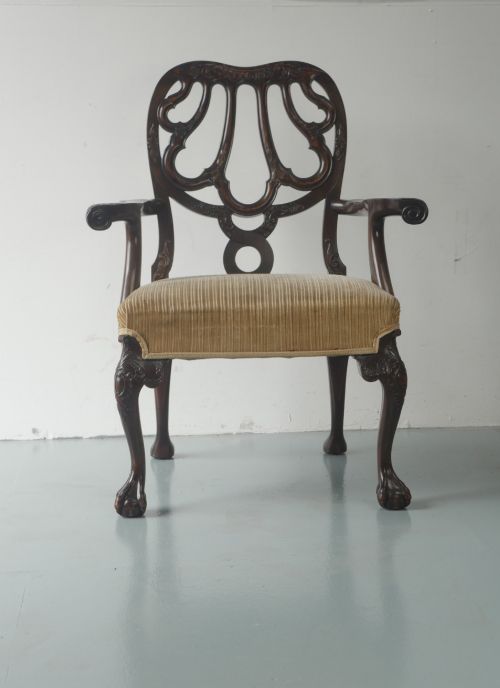
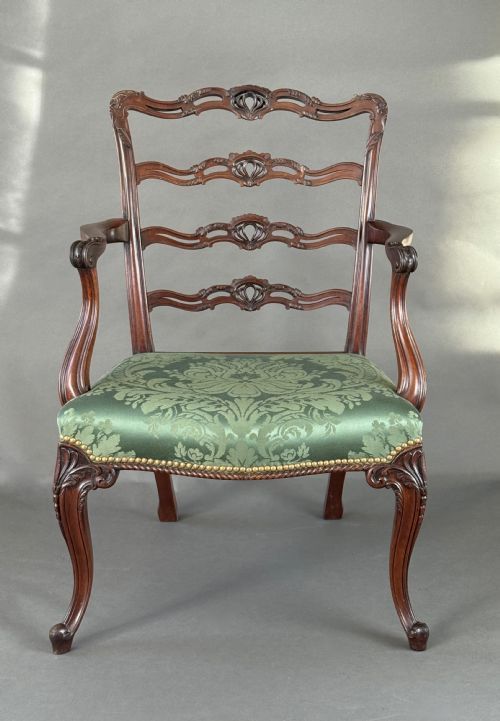
Scottish chippendale chairs encompass dining chairs, side chairs and armchairs produced across the eighteenth century and subsequent revival periods. The selections available feature forms ranging from eighteenth century George III mahogany armchairs to Edwardian interpretations.
Buyers frequently encounter regional variations including the distinctive Cockpen chair alongside matched pairs of Scottish armchairs. Materials span traditional timber joined with upholstery fabrics like velvet, damask, leather and needlepoint.
The aesthetic bridges formal Georgian Chippendale elegance and sturdier Scottish vernacular cabinet-making traditions. These seating options appear in mahogany, oak and walnut with carved elements.
How they were made
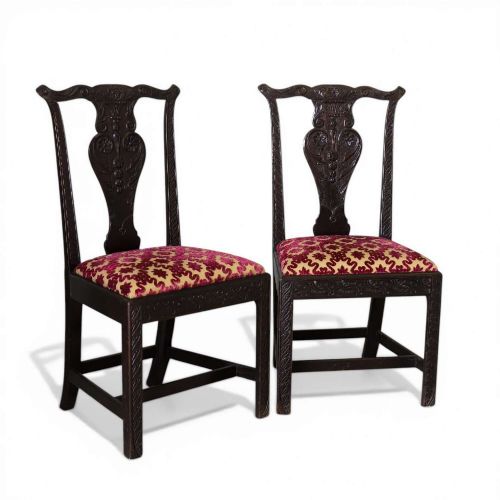
Makers constructed these pieces primarily using solid mahogany, oak and walnut timber, sometimes incorporating ebonised timber accents. Frames utilised traditional joinery methods to support substantial carving.
Upholstery involved historical textiles such as leather, velvet, damask and contemporary designer fabrics fixed over padding. Detail work relied on skilled hand-carving applied to chair backs and legs.
Scottish Chippendale Chairs Retail Price Guide 2026
Typical asking prices for scottish chippendale chairs among the pieces listed under this phrase on Sellingantiques today, from the lower quarter to the upper quarter. They describe what is for sale here now, not the wider market.
Several armchairs carry gossip-worthy histories alongside their upholstery.
What varies in quality
Quality rests upon the crispness of the hand-carving and the integrity of the underlying timber frame. Eighteenth century examples demonstrate superior joinery compared to later revival pieces from the Edwardian era.
The choice of upholstery materials and the retention of original seating foundations influence the overall character. Genuine period pieces exhibit the subtle tool marks characteristic of regional British workshops.
Wheelers of Arncroach
The Scottish Chippendale Chairs Glossary
- Cockpen chair
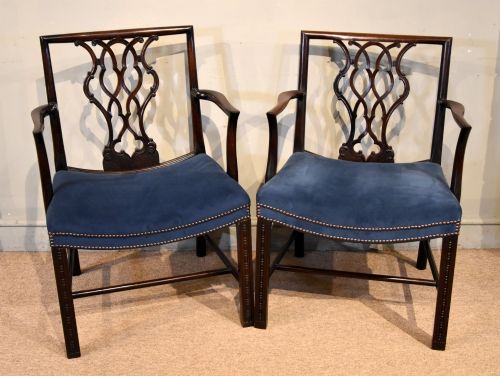
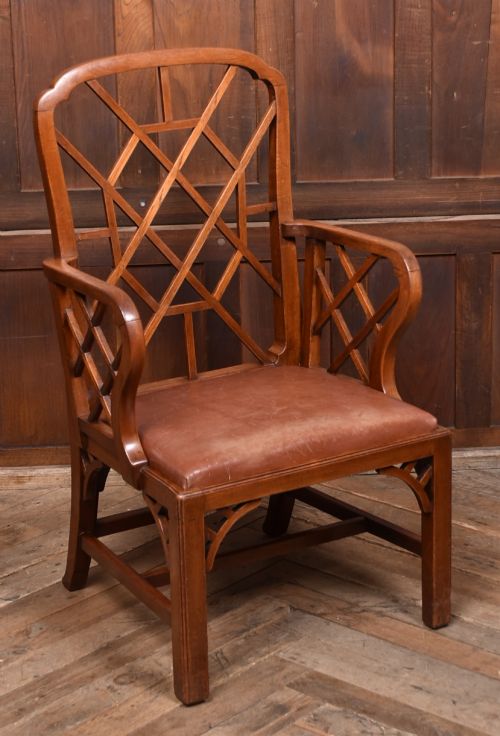
- A Chinese Chippendale style chair featuring a lattice-work back and straight legs, popular in Scottish vernacular furniture. These pieces often lack arms and incorporate drop-in seats.
- George III
- The period spanning from seventeen sixty to eighteen twenty, noted for refined proportions and classical revival motifs. Furniture from this era often utilises dense mahogany.
- Chippendale style
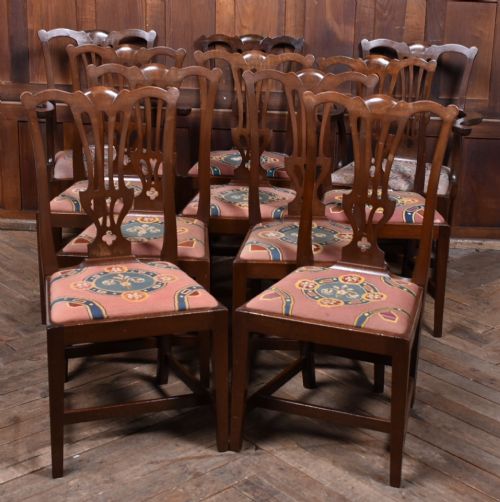
- Design characteristics derived from Thomas Chippendale pattern books, featuring pierced splats and ornate carved details. This aesthetic influenced cabinet makers across Britain.
- Vernacular
- Furniture built by regional craftsmen using local traditions rather than strict London metropolitan patterns. Scottish vernacular items display distinct structural robustness.
- Splat
- The vertical wooden strip down the centre of a chair back, frequently pierced and carved in Chippendale designs.
Scottish Chippendale Chairs: Frequently Asked Questions
What is a Cockpen chair?
A Cockpen chair is a distinct type of seating featuring an open lattice-work back influenced by Chinese design. These pieces were frequently made in Scotland during the eighteenth and early nineteenth centuries.
They are easily identified by their straight wooden legs and geometric pierced woodwork on the backrest. Collectors value them for their architectural appearance and regional provenance.
How do I date these chairs?
Dating relies on examining the timber species, joinery construction techniques and the crispness of the hand-carving. Eighteenth century examples show different wear patterns and timber maturity compared to Edwardian revival pieces.
Revival furniture often utilises machine-cut elements and modern adhesives not found on older items. Comparing the secondary woods inside the frame also helps determine the exact period of manufacture.
Are these chairs suitable for daily dining?
Many sturdy armchairs and dining sets remain entirely functional for everyday use in modern homes. Solid mahogany and oak construction provides the structural integrity needed for regular sitting.
Buyers should ensure the internal webbing and upholstery support meet personal comfort requirements. Period pieces with delicate needlepoint seats might require gentle handling or protective covers.
What defines Scottish vernacular furniture?
Scottish vernacular furniture combines metropolitan design influences with robust local building techniques. Cabinet makers adapted London styles like Chippendale to suit regional timber availability and client preferences.
This results in seating with heavier proportions, distinct carving styles and regional timber choices. These variations make Scottish pieces distinct from their English equivalents.