


Scottish Art Watercolour
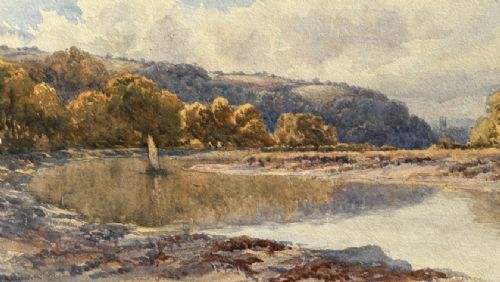
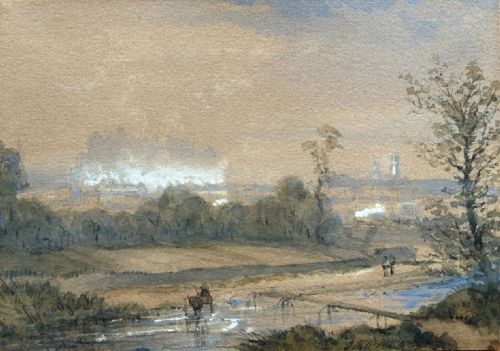
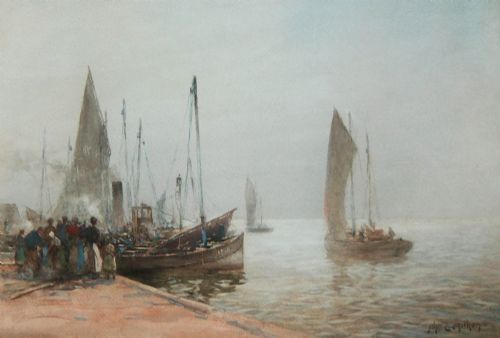
When you search for scottish art watercolour, you encounter original paintings on paper depicting landscapes, coastal views and figures from the nineteenth and twentieth centuries.
Scottish Art Watercolour
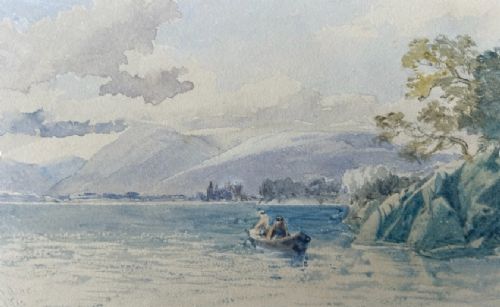
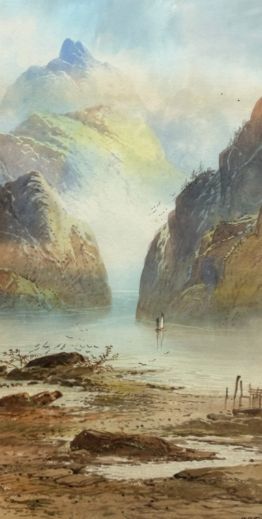
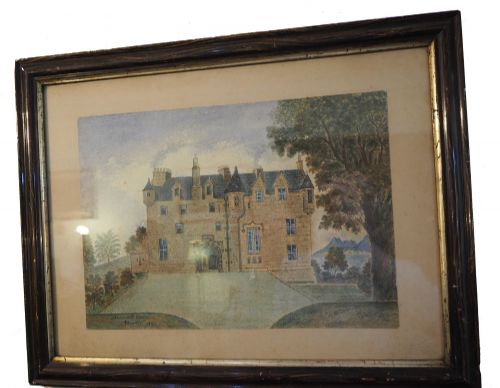
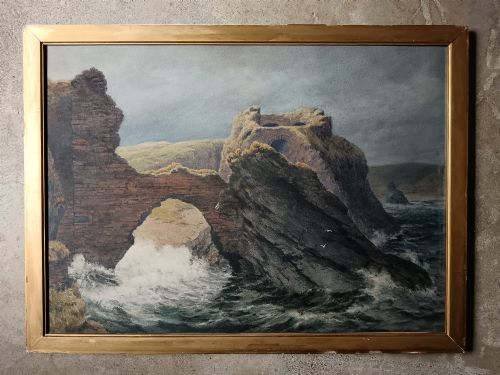
A scottish art watercolour brings together paper, pigment and water to capture highland vistas, lochs, castles and interior scenes. The works span periods from the Georgian era through Victorian times and into the mid-twentieth century, reflecting changing artistic approaches to northern light and topography.
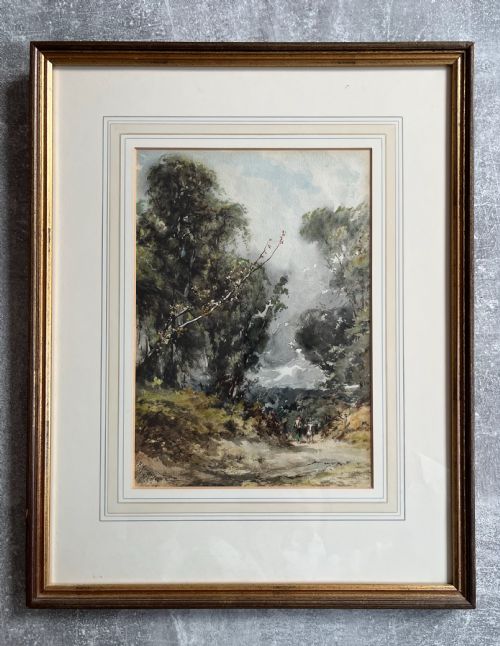
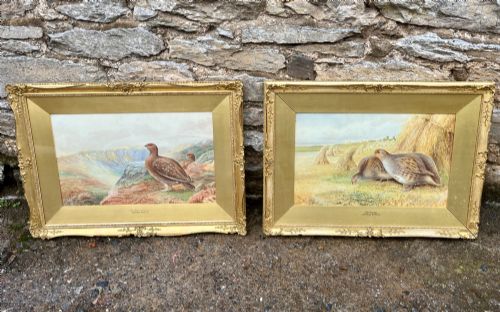
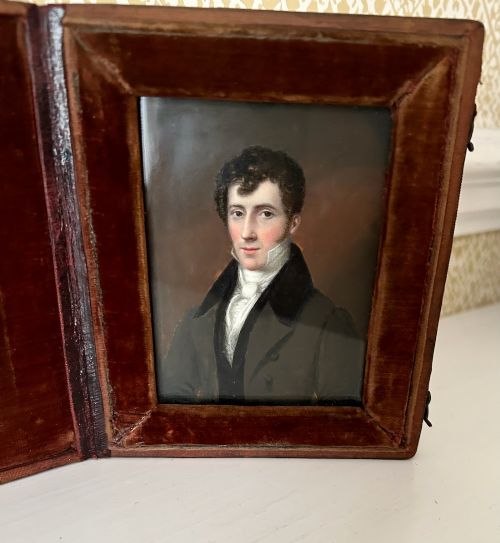
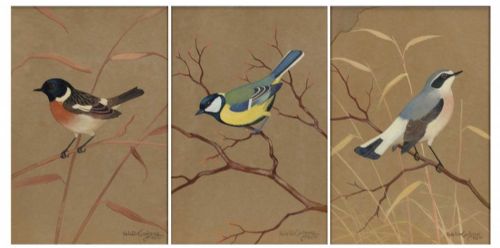
Most pieces on this page are landscapes and coastal scenes bearing signatures of regional artists, alongside occasional portraits, bird studies and genre paintings. They range from intimate cabinet watercolours to larger framed works presented in period gilt wood.
How they were made
Artists applied watercolour pigment and bodycolour onto paper surfaces, sometimes combining charcoal or gouache to build texture and opacity. Many works are framed behind glass in wood or gilt wood surrounds, preserving the delicate water-soluble pigments from atmospheric damage.
The technique relies on the transparency of washes over white paper to create luminosity, particularly in depicting skies, water and distant hills across Scottish landscapes.
Materials recorded include paper, glass, watercolour paint, wood, gilt wood, and gold leaf.
What varies in quality
Quality rests in the surety of the brushwork, the handling of light and atmosphere, and the preservation of the paper surface. Stronger examples display confident draughtsmanship and careful control of washes, whereas weaker pieces can appear flat or overworked.
The framing also plays a part, as works retained in period gilt wood frames often preserve their original context better than those remounted in modern surrounds.
David Law·George Fotherly Hargitt·Thomas Miles Richardson Jnr·William Henry Earp·John R Prentice·James E Aitken·George Rankin·John Moxon·Robert Eadie·Robert Buchan Nisbet·John Mitchell·R P Noble·Stanley Orchart·Archibald Skirving·Margaret Laing·Snaffles·Hirst Walker·A J Thornton·Sir William George Gillies·Henry Birtles·John R Houston·Emily M Paterson·James Kerr McArthur·Robin Watt·Alfred Graham
The Scottish Art Watercolour Glossary
- Watercolour paint
- A medium consisting of colour pigments suspended in a water-soluble binder, applied to paper to create translucent washes.
- Gilt wood
- Wood carved and coated with gold leaf or metallic paint, commonly used for period picture frames.
- Gouache
- An opaque water-soluble paint often used alongside watercolour to add highlights and solid areas of colour.
- Portrait miniature
- A small, highly detailed painting depicting a specific person, executed on paper, ivory or vellum.
- Provenance
- The documented history of a painting's ownership and exhibition, confirming its origin and authenticity.
Scottish Art Watercolour: Frequently Asked Questions
How do I date a scottish art watercolour?
Dating relies on artist biographical dates, signatures, costume details in figures, and framing styles typical of periods like the Victorian era or the early twentieth century.
Paper characteristics and handwritten inscriptions on the reverse can also provide a reliable window of creation.
Where should I hang these watercolours?
Watercolours require placement away from direct sunlight to prevent the fading of delicate pigments on paper over time.
Displaying them in stable indoor environments helps protect both the paper support and the original frame.
What is the difference between watercolour and gouache?
Watercolour relies on transparent washes where the white of the paper shines through to illuminate the composition.
Guoche contains added chalk or white pigment, making it opaque for solid areas of colour and sharp highlights.
Are these paintings signed by the artists?
Many examples bear the artist signature, monogram, or contemporary inscriptions noting the specific Scottish location depicted.
Unsigned works are attributed based on style, technique, and subject matter linked to known regional schools.