



Scottish Collectables
These scottish antique collectables combine domestic utility with regional character, ranging from turned treen and horn mulls to bronze mascots.
Scottish Collectables
When you search for scottish antique collectables, you encounter a varied assortment of small decorative and utilitarian objects originating from Scotland across the nineteenth and early twentieth centuries. These items reflect distinct local traditions, spanning domestic woodenware, personal accessories, and commemorative ceramic and metal pieces.
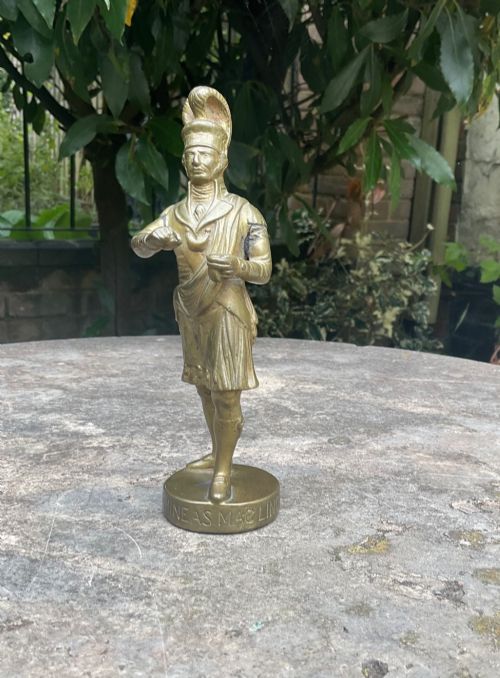
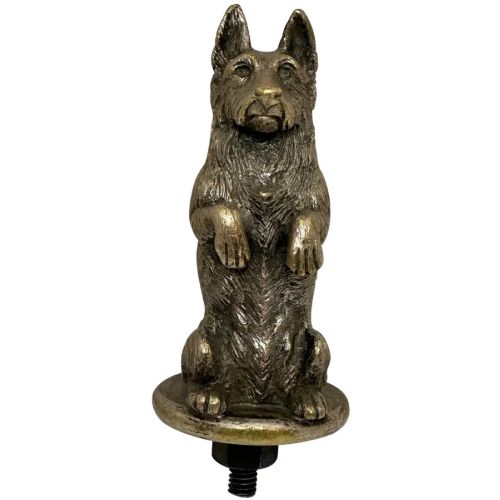
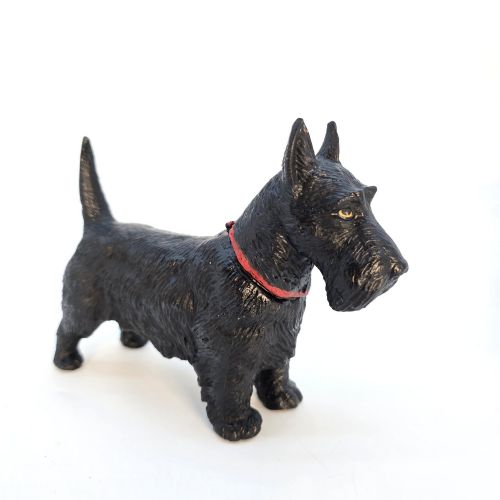
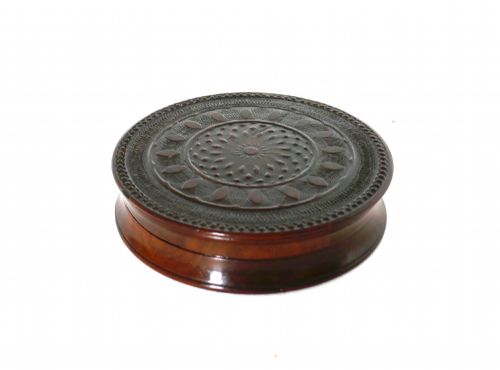
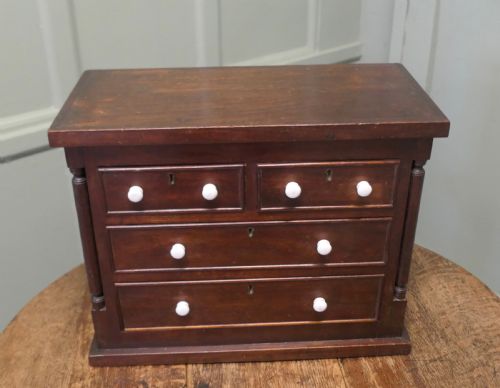
The objects most frequently met on this page include horn and silver snuff mulls, carved treen such as quaichs and snuff boxes, and miniature furniture pieces like apprentice chests. Alongside these traditional forms appear early twentieth-century bronze sculptures, car mascots, and hand-painted table lighters depicting Scottish terriers.
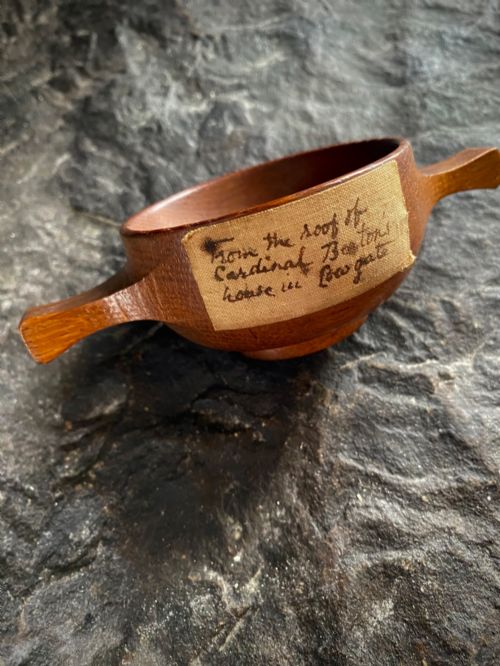
Many items carry specific historical associations, linking them to figures like Cardinal Beaton or John Knox through period labels and provenance. This combination of everyday material culture and named historical connection defines the core of the category.
How they were made
Makers utilised organic materials such as horn, laburnum, birch, and oak, shaping them through turning, carving, and engine-turned decoration to produce items like snuff boxes and cribbage boards. Horn was manipulated into curved mulls, often mounted with silver rims and hinges.
Metalwork forms involved cast bronze, cast brass, and silver, utilised in car mascots, pistol mechanisms, and menu holders. Artisans also employed hand-painting techniques on porcelain vessels and pottery dishes to render Highland cattle and commemorative portraits.
Scottish Collectables Retail Price Guide 2026
Typical asking prices for scottish collectables among the pieces listed under this phrase on Sellingantiques today, from the lower quarter to the upper quarter. They describe what is for sale here now, not the wider market.
Several items carry direct claims to the past, including treen salvaged straight from the roof of Cardinal Beaton’s house.
What varies in quality
Quality in these pieces rests upon the crispness of execution in carved details, such as the precision of engine-turning on wooden snuff boxes or the definition in cast bronze animal sculptures. Finer examples display superior control of the medium, whether in the smooth polish of natural staghorn or the detailed brushwork on hand-painted pottery and porcelain.
The presence of documented provenance or original period labels significantly elevates the standing of an item, as seen in treen associated with historic houses. Material integrity and the survival of original silver mounts on horn pieces also determine the distinction between standard domestic items and superior works.
Edith Parsons·Meyer & Mortimer·Harry Stinton
The Scottish Collectables Glossary
- Quaich
- A traditional Scottish two-handled drinking vessel, typically shallow and turned from wood. Early examples often feature treen construction and historic association labels.
- Snuff Mull
- A container for holding ground tobacco, traditionally fashioned from ram or stag horn fitted with a silver lid. These objects formed a staple of personal gentlemanly accessories.
- Apprentice Piece
- A miniature version of a larger item of furniture, demonstrated by a young craftsman to prove skill before entering a trade guild. Miniature Scotch chests represent this category.
- Treen
- Small handmade wooden household objects produced before the advent of modern mass manufacturing. Examples include turned boxes, quaichs, and nib boxes.
- Engine-Turned
- A decorative technique involving a lathe to cut precise, intricate geometric patterns into the surface of wood or metal. This finish appears frequently on nineteenth-century boxes.
Scottish Collectables: Frequently Asked Questions
What is a Scottish snuff mull?
A snuff mull is a personal container fashioned from animal horn, used to store dry snuff tobacco for consumption. They are typically fitted with hinged silver lids and metal mounts.
Scottish examples often utilise ram or stag horn, reflecting traditional regional craft practices from the nineteenth century.
How do I identify treen items?
Treen refers to small, functional wooden objects created by turning on a lathe or through hand carving. Items include boxes, quaichs, and miniature vessels.
Look for tool marks, wood species such as laburnum or birch, and the natural patina developed through handling over the centuries.
What are apprentice pieces?
Apprentice pieces are small-scale models of furniture created by trainees to demonstrate their woodworking proficiency to master craftsmen. Miniature Scotch chests serve as prime examples of this practice.
They display the exact joinery and detailing found on full-sized furniture but in a compact format.
Where did car mascots originate?
Car mascots were mounted on the radiator caps of automobiles during the early twentieth century as personal ornaments. Bronze and cast metal models often depicted dogs like Scotties or named figures.
They transitioned from motoring accessories into decorative sculpture for home display.