


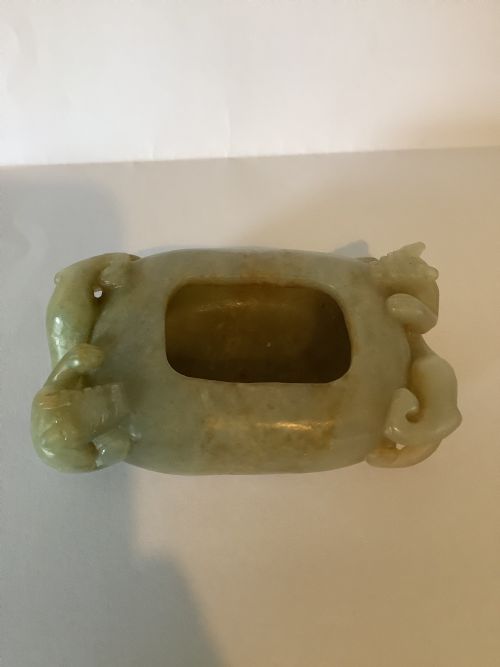


Scholars Brush Pot
Scholars brush pot pieces are traditional desk vessels shaped to hold writing implements, offering tactile connection to historical East Asian literati culture.
Scholars Brush Pot
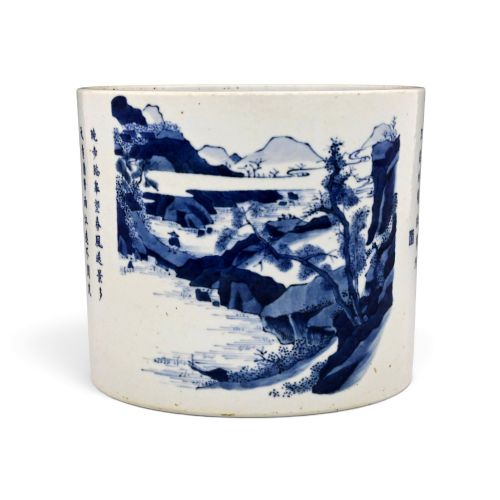
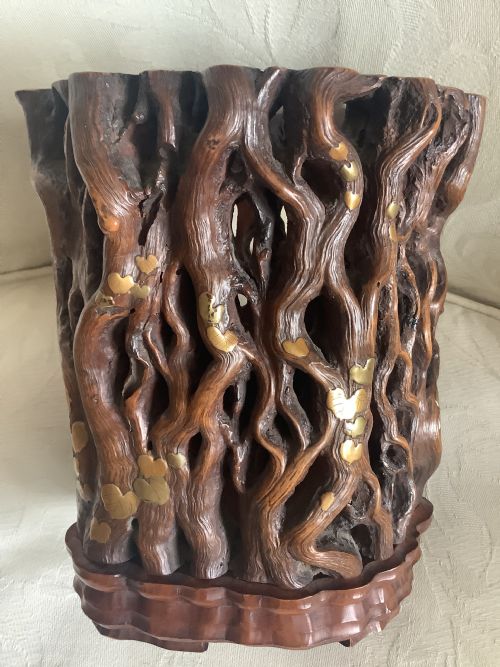
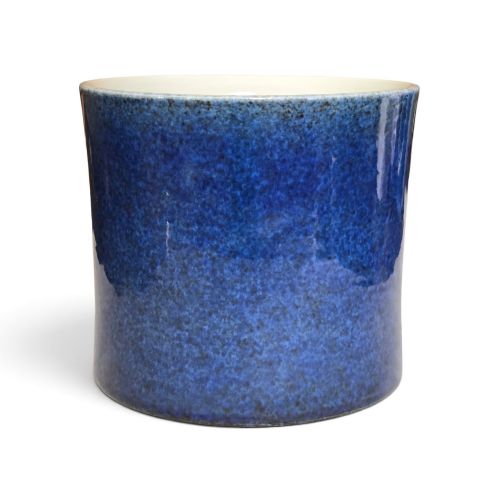
Scholars brush pot forms appear primarily as cylindrical containers known as bitong, alongside related desk accessories and washer vessels. The pieces span periods from the seventeenth century through the Republic era, reflecting various dynastic and stylistic traditions.
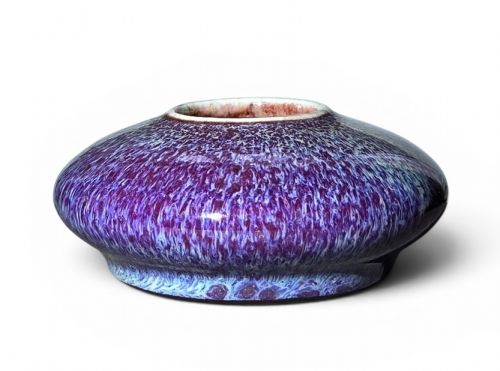
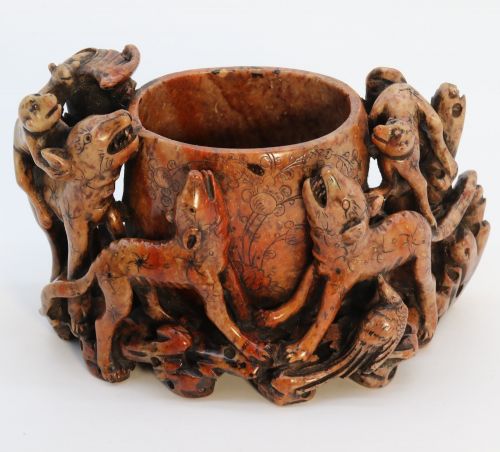
Materials represented on the page include carved bamboo, dense hardwoods, soapstone, jade, bronze, and diverse porcelain glazes such as cobalt underglaze, powder-blue, and famille rose. Makers worked within established Chinese and Japanese Meiji aesthetics, producing desk pieces designed for functional study use.
Materials and construction methods
Organic materials such as bamboo and hardwood undergo deep manual carving to exploit natural grain patterns and knots. Artisans shape dense timber and plant stems using hand chisels to create stable, thick-walled cylinders suitable for holding brushes.
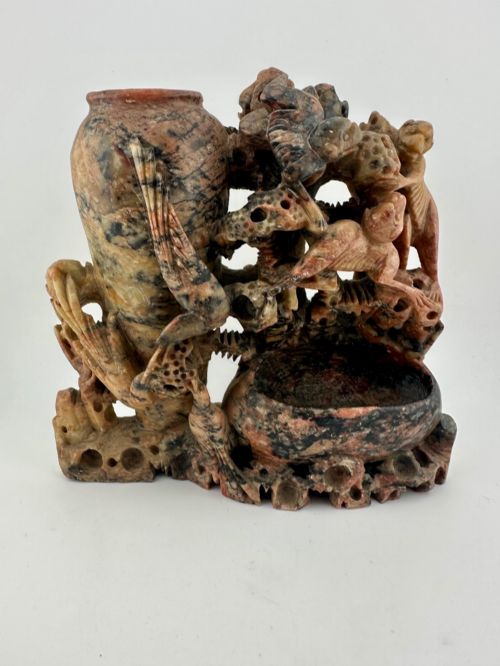
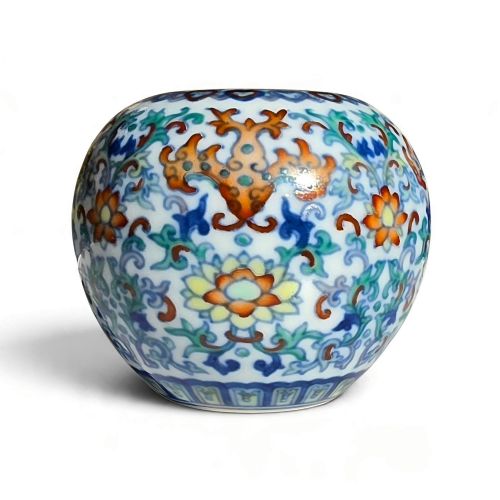
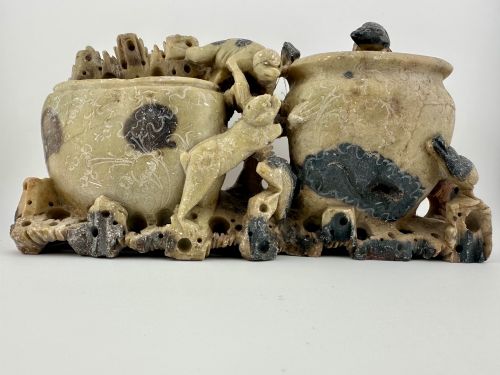
Ceramic examples rely on high-temperature kiln firing, applying cobalt underglaze, monochrome glazes, or famille rose enamel palettes over porcelain bodies. Metal and mineral pieces utilise casting and abrasive stone shaping to form solid bronze and soapstone vessels.
Scholars Brush Pot Retail Price Guide 2026
Typical asking prices for scholars brush pot among the pieces listed under this phrase on Sellingantiques today, from the lower quarter to the upper quarter. They describe what is for sale here now, not the wider market.
The page includes both utilitarian cylindrical bitong containers and multi-component desk groupings involving jade and soapstone washers.
Determinants of vessel quality
The sophistication of the hand carving dictates the visual hierarchy of the pieces, separating shallow surface incision from deep, undercut relief work that creates distinct spatial depth. Material selection also defines the standard, with unblemished timber grain or balanced porcelain glaze distribution marking superior examples.
Proportion and stability influence the desirability of each desk vessel, where well-balanced walls and secure flat bases show superior craftsmanship. The precision of figural and landscape scenes painted or carved onto the surface determines the artistic merit of the piece.
The Scholars Brush Pot Glossary
- Bitong
- A traditional Chinese cylindrical brush pot designed for holding calligraphy brushes on a scholar desk. The form typically lacks a handle and stands upright on a flat base.
- Famille Rose
- A palette of opaque enamel colours introduced to Chinese porcelain decoration during the Qing dynasty, featuring prominent pink or rose tones. This technique allows for detailed pictorial scenes of figures and foliage.
- Underglaze Cobalt
- A blue pigment applied directly to the raw porcelain body before glazing and high-temperature firing. The resulting decoration sits beneath a clear glaze layer, ensuring permanence.
- Soapstone
- A soft, talc-based metamorphic rock utilised for small carved sculptures and vessels. Its relative softness allows for intricate manual detailing.
- Meiji Period
- A Japanese historical era spanning from eighteen sixty-eight to nineteen twelve, associated with varied metalwork and mixed media decorative arts.
Scholars Brush Pot: Frequently Asked Questions
What is a scholars brush pot used for?
These vessels were traditionally kept on scholar desks to hold animal-hair calligraphy brushes upright and organised between writing sessions. They also served as decorative desk accessories that reflected the owner's cultural refinement.
Today, they function as display objects or desktop containers for modern pens and pencils, retaining their historic presence in domestic interiors.
How do I date a porcelain brush pot?
Dating relies on examining the characteristics of the porcelain body, the tone of the cobalt or enamel pigments, and the style of any painted figures. Comparing surface wear and glaze characteristics to established dynastic periods helps narrow the timeframe.
consulting stylistic details like Qing Dynasty or Republic Period markers offers further chronological context for individual pieces.
How should I clean a bamboo brush pot?
Dust the exterior gently with a dry, soft-bristled brush to remove surface particles without disturbing the carved details. Avoid using water or chemical cleaning agents on historic organic materials.
Keep the vessel away from direct sunlight and dramatic humidity changes to prevent the natural timber or bamboo from splitting.
What is the difference between a brush pot and a washer?
A brush pot is a tall, vertical cylinder designed strictly to store dry writing implements when not in use. A brush washer is typically a shallower basin used to rinse ink from brushes during the calligraphy process.
Both items formed essential components of the traditional scholar studio desk setup.