

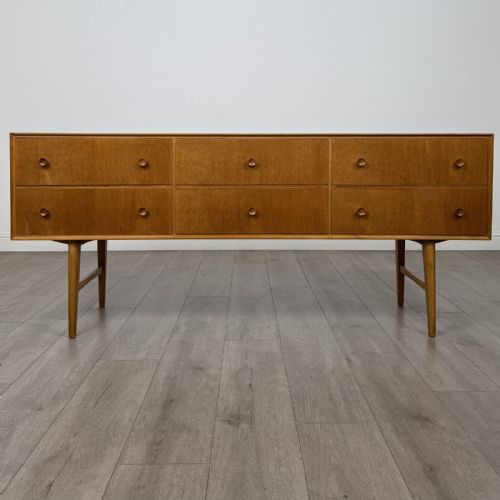
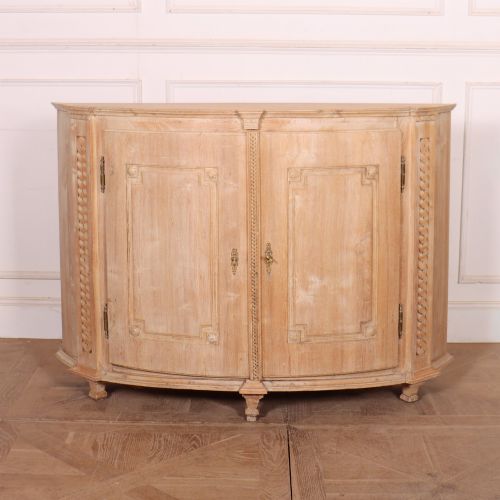
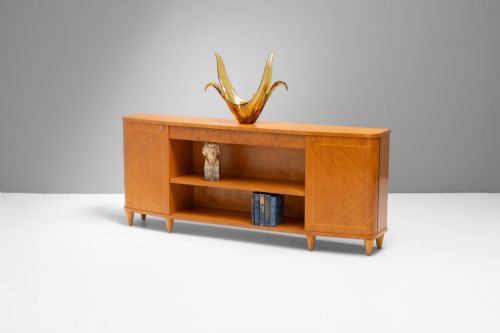
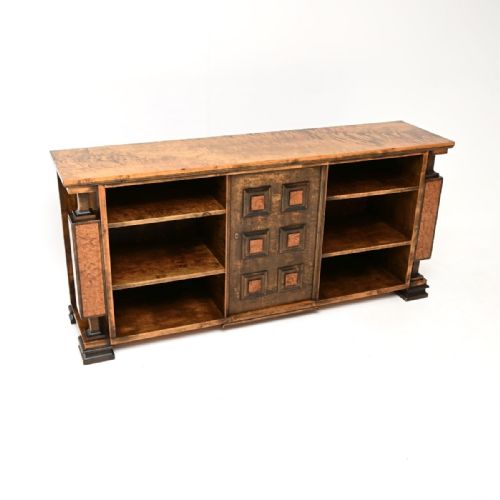



Scandinavian Wooden Cabinet
A scandinavian wooden cabinet brings functional storage with distinct regional character, from rustic painted pine to refined birch veneers.
Scandinavian Wooden Cabinet
A scandinavian wooden cabinet encompasses a diverse group of storage pieces including linen cupboards, wall cabinets, sideboards, and chests of drawers. These items originate predominantly from Sweden and Denmark, spanning periods from the eighteenth century through to the mid-twentieth century.
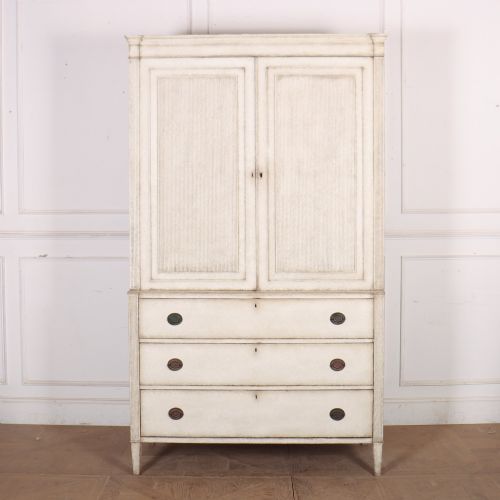
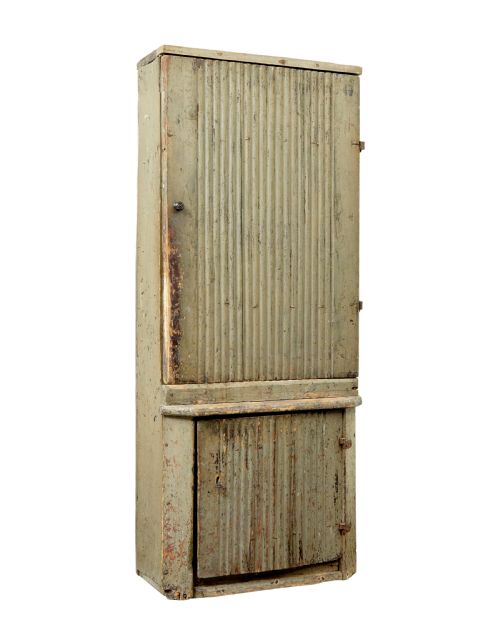
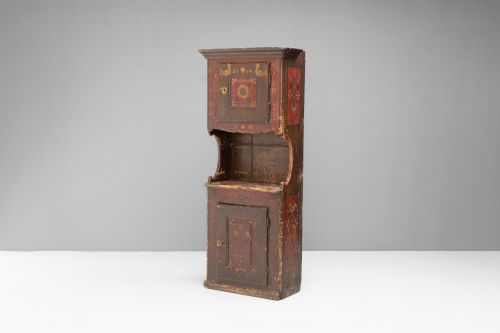
The version most commonly met on this page is the nineteenth-century painted pine cupboard, often decorated with hand-painted finishes or folk art motifs. Alongside these country pieces, buyers encounter formal pieces executed in birch, flame mahogany, and satin birch.
Forms range from tall, two-door linen cupboards and corner cabinets to low commodes and secretaire chests of drawers. Regional variations reflect distinct stylistic movements, moving from Gustavian simplicity to Biedermeier elegance and Art Deco geometric lines.
Materials and construction methods
Makers utilised native softwoods such as pine for country furniture, frequently applying layers of paint, ragwork, or traditional pigments to the surface. These painted softwood pieces often show hand-planed panels and pegged joinery typical of regional workshops.
For refined urban pieces from the Biedermeier and Art Deco periods, cabinetmakers selected figured hardwoods and veneers like birch, burr birch, satin birch, elm, and flame mahogany over secondary woods. Brass and iron hardware, including handles and escutcheons, secure doors and drawers.
Scandinavian Wooden Cabinet Retail Price Guide 2026
Typical asking prices for scandinavian wooden cabinet among the pieces listed under this phrase on Sellingantiques today, from the lower quarter to the upper quarter. They describe what is for sale here now, not the wider market.
Listings feature pieces spanning the eighteenth century to nineteen-thirty, built from pine, birch, mahogany, and painted softwood.
Assessing quality in construction and surface
Quality rests in the integrity of the timber selection and the preservation of the original surface finish, whether that is patinated paint or polished veneer. Superior examples retain their original hardware, working locks, and structural joinery without extensive timber replacement.
The refinement of the carving, the crispness of the mouldings, and the balance of proportions separate standard utility items from high-style pieces like Swedish Grace sideboards or Biedermeier secretaire chests.
The Scandinavian Wooden Cabinet Glossary
- Gustavian
- A Swedish neoclassical style spanning the late eighteenth and early nineteenth centuries, characterised by restrained lines and pale painted finishes.
- Biedermeier
- A central European and Scandinavian style spanning the nineteenth century, focusing on utilitarian comfort, clean lines, and the natural grain of woods like birch.
- Ragwork
- A decorative paint technique where rags or cloths impart texture and pattern onto the painted surface of country furniture.
- Commoede
- A low chest of drawers or cabinet, often featuring two drawers and standing on legs, common in nineteenth-century Swedish interiors.
- Secretaire
- A cabinet or chest incorporating a fitted writing drawer with a drop-front writing surface and small internal compartments.
Scandinavian Wooden Cabinet: Frequently Asked Questions
What periods do these cabinets cover?
The pieces span from the eighteenth century up to nineteen-thirty, covering periods like the Gustavian era, nineteenth-century country folk art, and twentieth-century Art Deco and Swedish Grace.
Most items date from the nineteenth century, particularly utilising pine and birch as primary materials.
How do I care for a painted wooden surface?
Painted softwood and folk art surfaces require gentle cleaning with a soft, dry cloth to remove dust. Avoid modern chemical solvents or abrasive polishes that can lift historic paint layers.
Keep pieces away from direct sunlight and excessive humidity to prevent the underlying timber from moving.
What is the difference between a linen cupboard and a sideboard?
Linen cupboards are typically taller, vertical storage units with two doors designed originally for textiles, frequently seen in nineteenth-century Swedish country homes.
Sideboards and buffets are lower, horizontal serving pieces intended for dining rooms, often featuring drawers alongside cupboard doors.
Are these pieces made of solid wood or veneer?
Construction varies entirely by style and period. Country pieces such as pine cupboards utilise solid softwood boards throughout.
Urban furniture from the Biedermeier and Art Deco periods frequently employs fine wood veneers like satin birch, burr birch, and flame mahogany applied to secondary timber bases.