


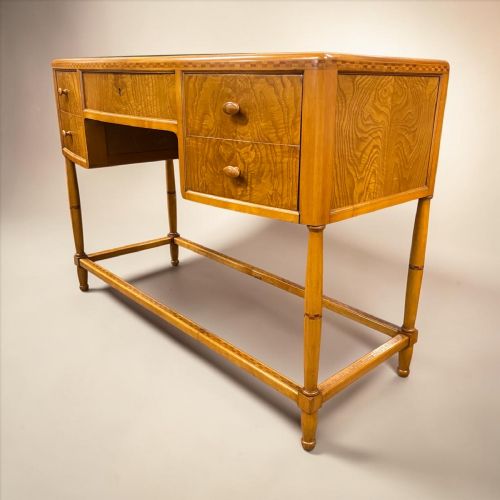


Scandinavian Wood Table
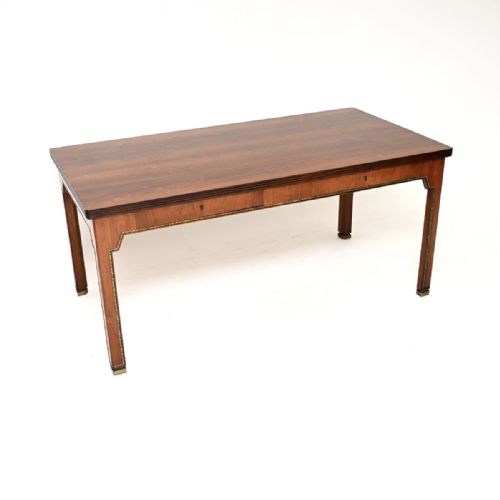
A scandinavian wood table brings warmth and honest craftsmanship into a room, spanning rustic pine kitchen pieces to polished birch centre tables.
Scandinavian Wood Table
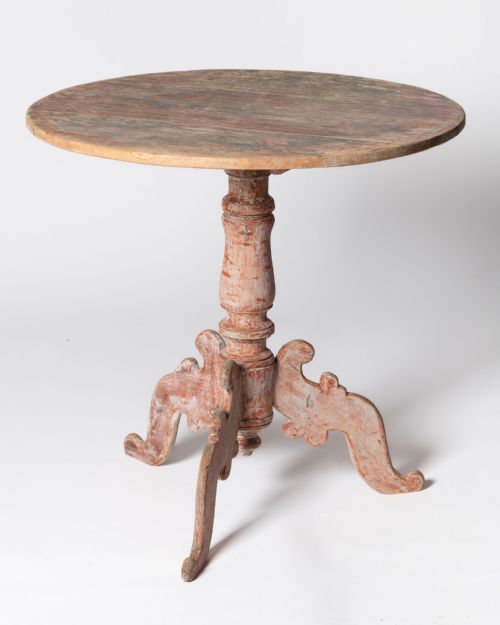
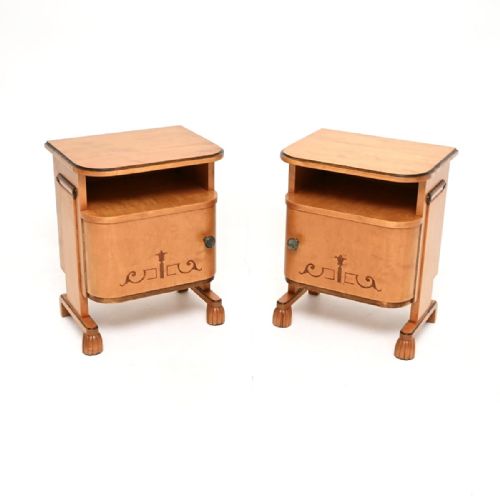
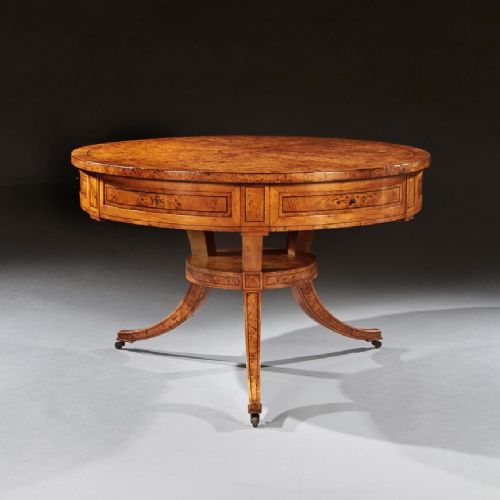
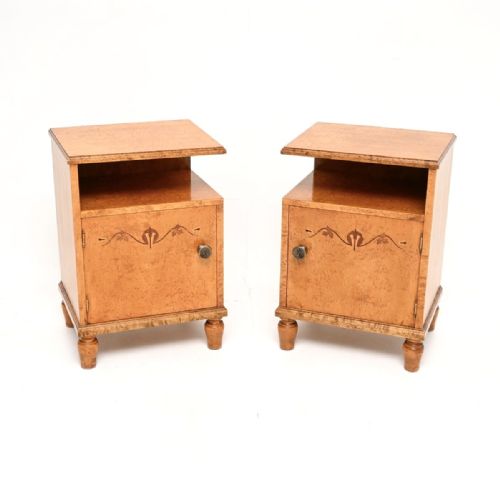
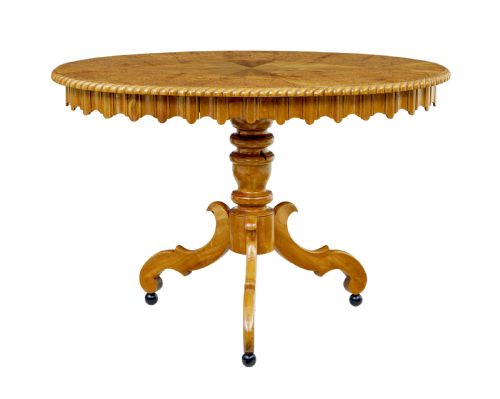
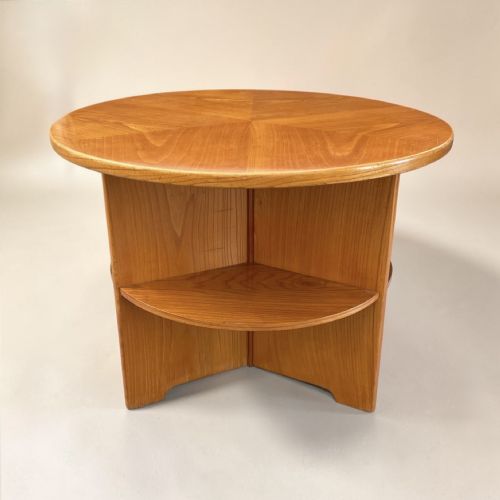
When a buyer searches for a scandinavian wood table, they encounter a broad typology ranging from sturdy eighteenth-century rustic dining boards to refined art deco occasional pieces. The nineteenth-century examples dominate the selection, offering versatile side tables, lamp tables, and oval centre tables rooted in regional traditions.
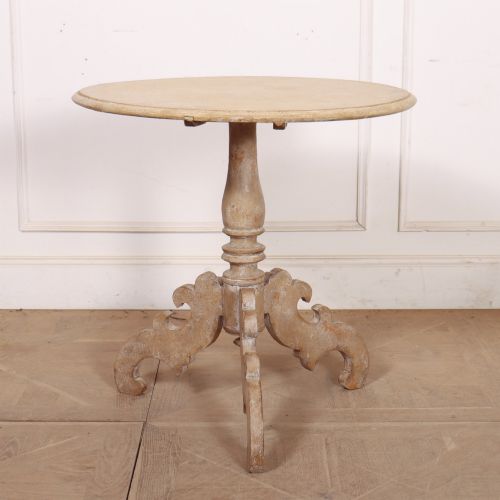
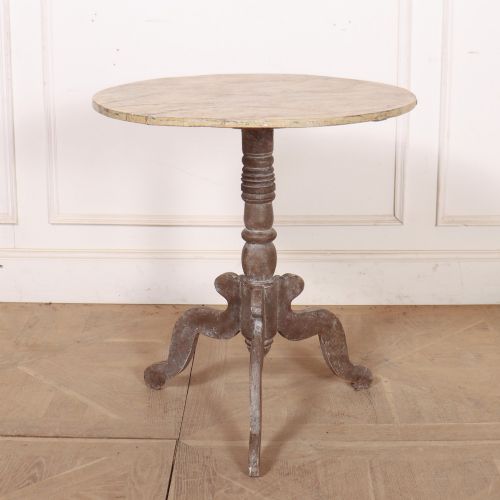
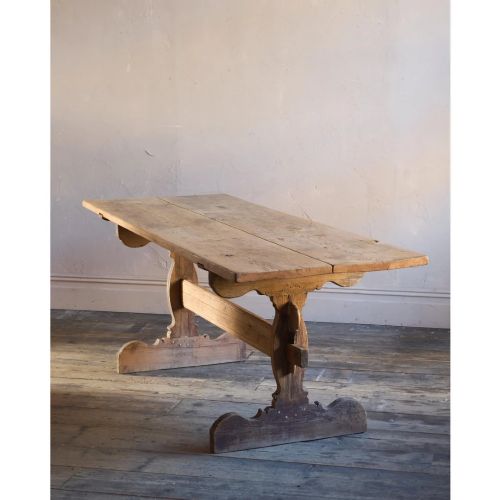
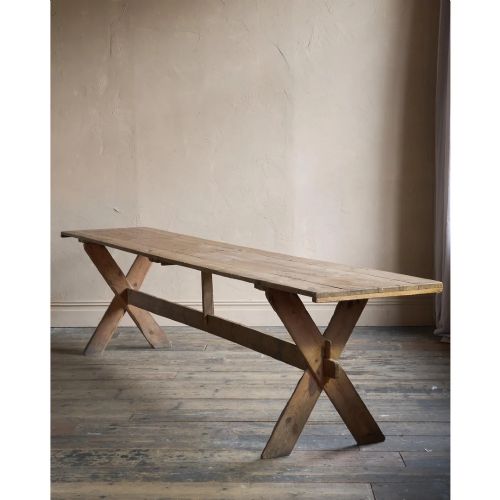
Dining and kitchen variants appear in resilient pine, often featuring trestle supports, drop-leaf gateleg mechanisms, or traditional painted finishes. Meanwhile, smaller lamp and occasional forms showcase the expressive grain of native hardwoods like birch and elm.
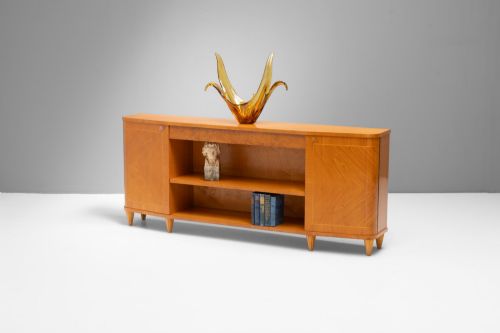
The aesthetic stretches from Gustavian restraint and Swedish country simplicity to the geometric lines of the nineteen-thirties. Buyers select these tables for daily utility as much as for their sculptural timber surfaces.
Materials and construction
Makers relied heavily on native timber stocks, most notably birch, pine, and elm, alongside exotic veneers such as burr maple and satin birch for finer decorative effect. Surfaces often received traditional treatments, including layered paint, clear polishing, or local finishes like Falu red.
Construction techniques balanced domestic utility with skilled cabinetmaking, uniting solid pine trestles and X-frames with intricate marquetry, turnings, and drum table assemblies. Joinery remained robust to withstand heavy daily use in Scandinavian homes.
Scandinavian Wood Table Retail Price Guide 2026
Typical asking prices for scandinavian wood table among the pieces listed under this phrase on Sellingantiques today, from the lower quarter to the upper quarter. They describe what is for sale here now, not the wider market.
Some nineteenth-century tables arrive wearing multiple coats of traditional Falu paint, originally harvested from copper mine waste.
Distinguishing quality in timber and form
Quality rests primarily in the selection and application of wood veneers, where symmetrical burr birch or figured elm elevate a simple occasional table into a refined work of art. The ambition of the design distinguishes provincial pine kitchen boards from sophisticated urban pieces influenced by Biederman or art deco movements.
Proportion and the retention of original surface treatments dictate the standing of each piece, distinguishing items that retain their authentic scraped paint or deep patina from those altered by modern intervention.
The Scandinavian Wood Table Glossary
- Burr birch
- A figured wooden growth yielding swirling patterns highly prized for table tops and decorative panels. It provides a striking contrast to straight-grained timber.
- Falu paint
- A traditional deep red paint originating from copper mines in Sweden, utilised extensively on rustic furniture. It preserves softwood effectively while offering a matte finish.
- Gustavian
- A Swedish neoclassical style characterised by restrained classical motifs, light paint finishes, and elegant proportions. It draws inspiration from French Louis XVI design.
- Gateleg table
- A drop-leaf table with hinged legs that swing outward to support the folding flaps. This clever mechanism allows the surface area to expand or contract easily.
- Biedermeier
- A central European style spanning the nineteenth century that prioritised utility, clean lines, and polished veneers. Scandinavian interpretations often utilised native birch.
Scandinavian Wood Table: Frequently Asked Questions
How do I date an antique wooden table?
Dating relies on examining construction marks, timber selection, and historical style indicators visible in the legs and frame.
Secondary woods, tool marks, and original surface treatments help confirm whether a piece belongs to the eighteenth, nineteenth, or early twentieth century.
Are painted tables original?
Many Scandinavian tables feature historic paint layers, such as scraped pine or traditional Falu finishes applied decades ago.
Closer inspection reveals the age of the pigment and how it interacts with the underlying timber grain over time.
What is satin birch?
Satin birch is a figured variant of the birch tree exhibiting a natural shimmer and lustrous grain.
Cabinetmakers utilised it extensively for nineteenth-century occasional tables and twentieth-century art deco cabinetry.
How do I maintain a wooden surface?
Routine care involves dusting with a soft cloth and avoiding excessive moisture or direct sunlight that might dry out the timber.
Applying occasional natural wax helps preserve polished birch and elm surfaces without masking the historic patina.