



Scandinavian Storage Box
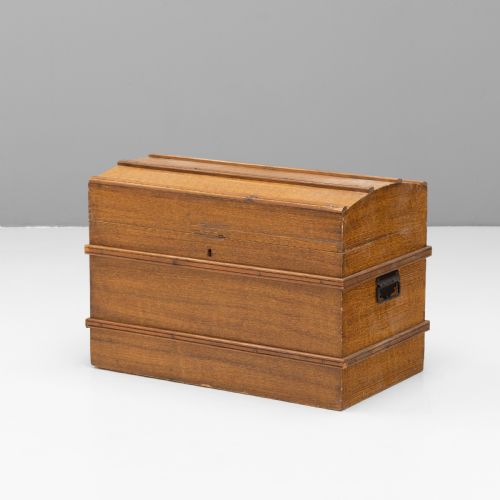
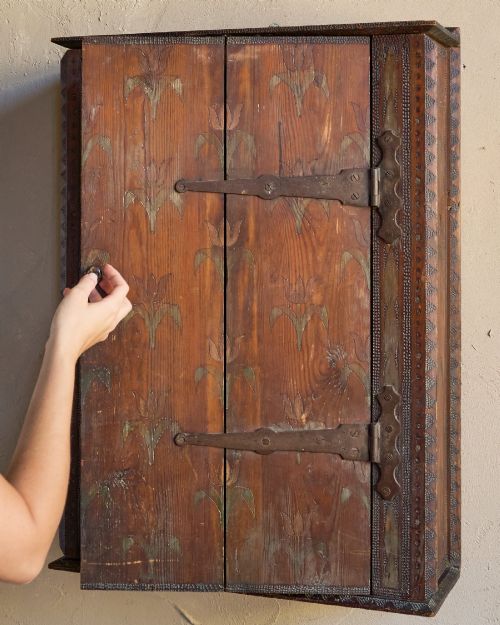
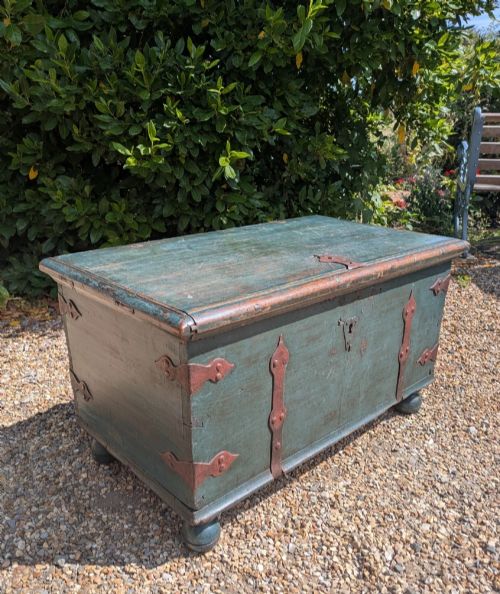
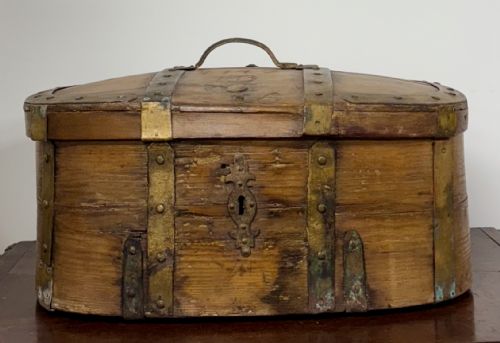
These pieces are a Scandinavian storage box, bringing rustic utility and folk art tradition into a room.
Scandinavian Storage Box
A Scandinavian storage box combines practical utility with regional decorative traditions spanning the eighteenth and nineteenth centuries. Buyers searching for a scandinavian storage box encounter various forms including marriage chests, dome top coffers, dough bins, and small table boxes.
The objects stem predominantly from nineteenth-century Scandinavian workshops, with eighteenth-century examples appearing less frequently. Regional variants include Swedish folk art pieces, Gustavian forms, and rustic farmhouse pine vessels.
Larger items serve as blanket chests and benches, whilst smaller decorative boxes and tine food containers function as desktop or tabletop accessories. Pine serves as the primary structural wood across the majority of surviving domestic containers.
How they were made
Makers constructed these storage pieces predominantly from solid pine, utilising local timber boards joined for domestic utility. Oak and burr birch appear on select boxes, whilst iron and brass provide hinges, locks, and structural reinforcement.
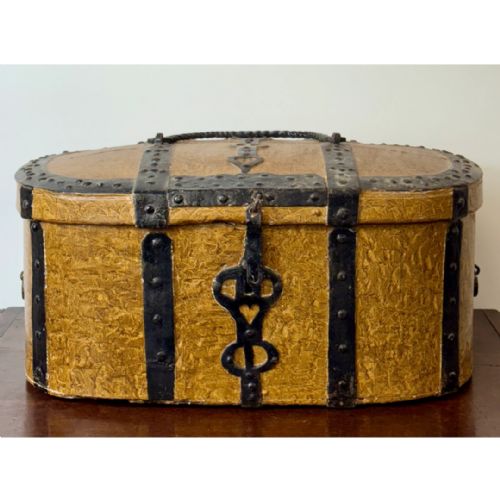
Hand forged iron strapwork frequently secures the corners and lids of strong boxes and coffers. Surfaces receive coats of pigment and paint, displaying folk art motifs, graining, and original decorative schemes.
Scandinavian Storage Box Retail Price Guide 2026
Typical asking prices for scandinavian storage box among the pieces listed under this phrase on Sellingantiques today, from the lower quarter to the upper quarter. They describe what is for sale here now, not the wider market.
Listings feature eighteenth and nineteenth century periods alongside materials such as pine, paint, wrought iron, brass, oak, and pigment.
What varies in quality
Quality rests in the survival of original painted surfaces and traditional folk art decoration rather than plain stripped wood. The crispness of hand forged iron strapwork and the retention of early pigment distinguish finer examples from later iterations.
Proportion and construction integrity dictate the standing of a coffer or chest, with dovetail joints and untouched patination marking superior craftsmanship. Pieces bearing legible dates or specific marriage inscriptions carry greater historical context.
The Scandinavian Storage Box Glossary
- Cofer
- A large wooden chest or box used for safekeeping valuables and household goods. These often feature heavy iron strapwork and dome tops.
- Folk art
- Traditional decorative work produced by rural artisans outside academic traditions. This includes the painted floral and geometric motifs found on Scandinavian pine boxes.
- Marriage chest
- A substantial wooden box commissioned to celebrate a wedding, frequently inscribed with names and dates. Families used these to store textiles and dowry items.
- Tine
- A traditional Scandinavian wooden box constructed with bentwood techniques and overlapping fingers. These historical containers often held food or small provisions.
Scandinavian Storage Box: Frequently Asked Questions
What were Scandinavian storage boxes used for?
Historic households utilised these containers for keeping textiles, valuable documents, and dry provisions secure. Larger chests doubled as seating benches within rural homes.
Smaller boxes rested on tables to hold letters, sewing equipment, or personal items. Their robust construction suited daily domestic life.
How do I identify a marriage chest?
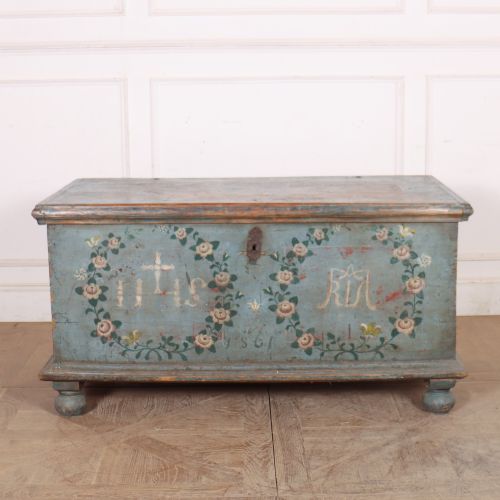
Marriage chests typically display painted initials, dates, or family crests associated with a wedding. They are substantial pine pieces built to house the bride's dowry.
Craftsmen often decorated these specific trunks with elaborate folk art pigment schemes. The inscriptions provide direct insight into their original commissioning.
Where should I place a pine chest?
These boxes function effectively at the foot of a bed for holding spare blankets and linens. They also serve as coffee tables or hallway storage.
Keeping them away from direct heat sources protects the historic wood and painted surfaces. Ambient indoor temperatures prevent the pine from drying out excessively.
How do I distinguish eighteenth and nineteenth century pieces?
Eighteenth-century examples often display simpler, darker pigment work or heavier structural framing. Joinery techniques on earlier boxes rely more heavily on hand hewn timber boards.
Nineteenth-century items frequently feature brighter folk art palettes and more varied box forms. Specific dates painted onto the exterior occasionally confirm the exact decade of manufacture.