





Scandinavian Painted Cabinet
A scandinavian painted cabinet brings soft colour and practical storage into a room, rooted in centuries of northern craftsmanship.
Scandinavian Painted Cabinet
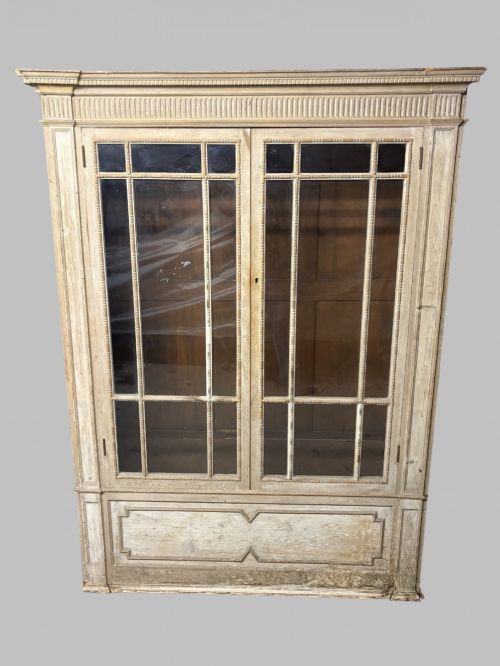
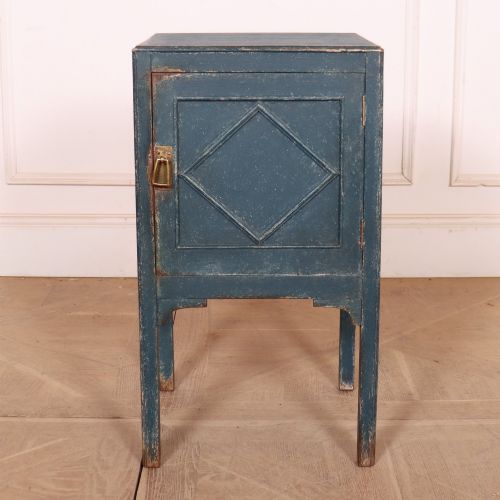
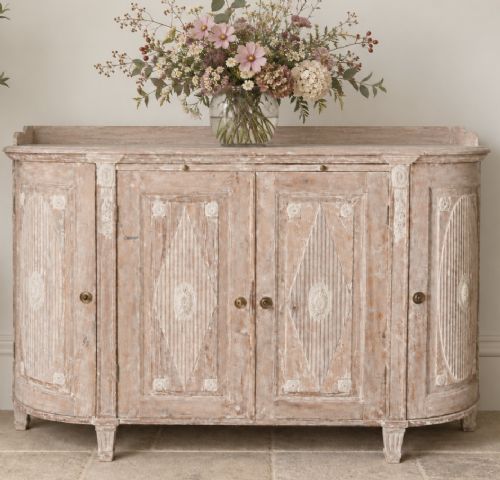
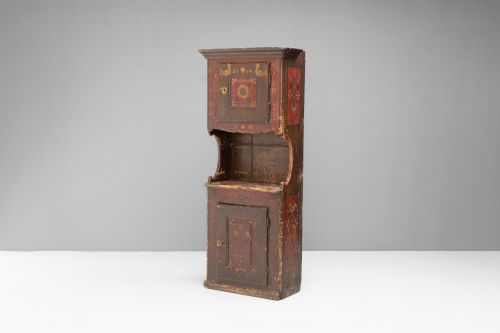
When you search for a scandinavian painted cabinet, you encounter storage forms ranging from grand linen cupboards and kitchen dressers down to compact bedside tables and wall cabinets. The majority of pieces on this page date from the nineteenth century, built by regional makers who adapted neoclassical Gustavian tastes or traditional folk art styles for domestic use.
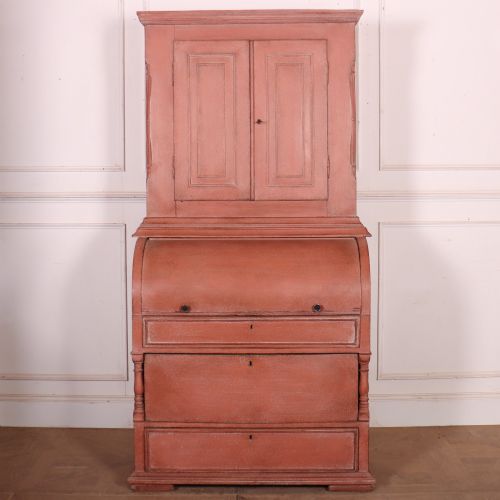
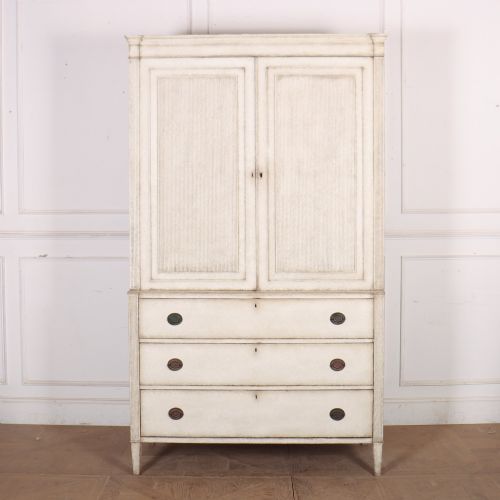
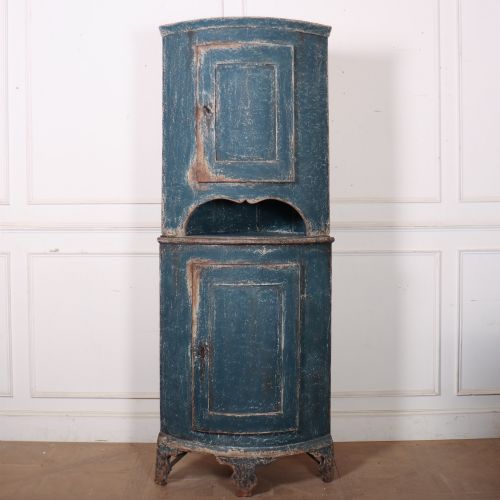
The regional variety spans pieces originating from Sweden, Denmark, Finland and the wider Baltic area. Forms include corner cupboards, bureau cabinet bookcases, commodes and chests of drawers alongside tall double door wardrobes.
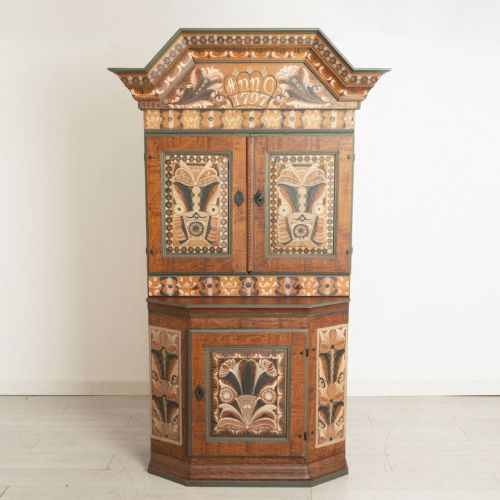
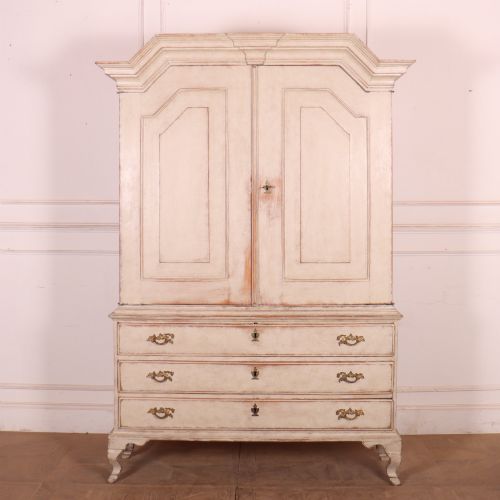
Construction relies heavily on native softwood, predominantly pine, shaped into bonnet tops, bowfronts or straightforward rectilinear carcases. These items served as essential household storage for textiles and provisions before finding a place in modern interiors.
Materials and Surface Techniques
Makers constructed these cabinets almost exclusively using pine and softwood, materials readily available across northern forests. Boards were joined simply and robustly, sometimes enhanced with carved detailing or applied mouldings around cornices and door panels.
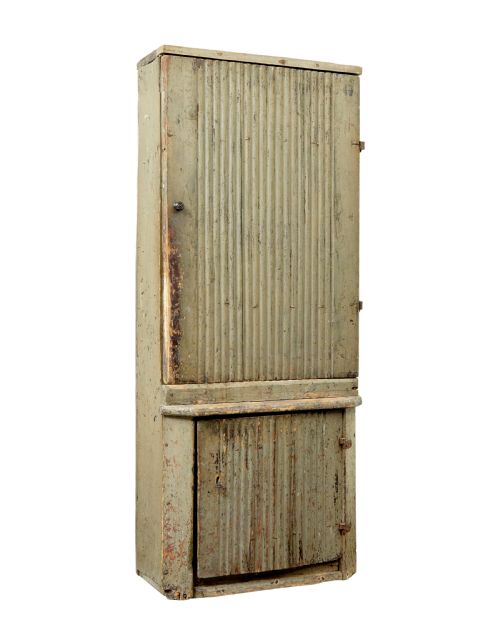
The defining characteristic is the painted surface, applied in layers over softwood using traditional mediums. Historic examples often display original scraped paint, ragwork finishes, or hand-painted folk motifs that have aged with a soft patina over generations.
Scandinavian Painted Cabinet Retail Price Guide 2026
Typical asking prices for scandinavian painted cabinet among the pieces listed under this phrase on Sellingantiques today, from the lower quarter to the upper quarter. They describe what is for sale here now, not the wider market.
Listings span the eighteenth century, the Victorian era, and the early twentieth century up to nineteen-twenty.
What Distinguishes Better Examples
The distinction in quality lies in the survival of original painted surfaces and the crispness of regional proportions. Pieces retaining their early scraped or layered paintwork hold greater visual integrity than later repainted surfaces.
Proportion and architectural detailing also separate standard utility furniture from finer items. Elements such as a well-balanced bonnet top, disciplined Gustavian fluting, or intact brass and iron hardware elevate the presence of the cabinet.
The Scandinavian Painted Cabinet Glossary
- Gustavian
- The Swedish neoclassical style spanning the late eighteenth and early nineteenth centuries, characterised by restrained symmetry and light tones. It draws inspiration from French Louis XVI design translated through a northern sensibility.
- Ragwork
- A decorative paint technique where rags or cloths are used to manipulate wet glaze or colour over a base coat. This creates a mottled or textured surface texture common on period country furniture.
- Softwood
- Timber derived from conifers such as pine, used extensively for regional Scandinavian case furniture because it accepted paint readily. It forms the primary substrate for the painted cabinets found here.
- Commode
- A low piece of furniture featuring drawers or doors, functioning historically as a bedroom or parlour chest. In Scandinavian contexts, these often feature curved fronts and painted decoration.
- Bonnet top
- An arched or domed upper cornice on a tall cabinet or wardrobe. This architectural feature adds height and visual elegance to the piece.
Scandinavian Painted Cabinet: Frequently Asked Questions
How do I date a painted cabinet?
Dating relies on observing construction methods, timber preparation, and the characteristics of the paint layers. Hand-cut joints, original forged iron or brass hardware, and authentic pigment wear point towards eighteenth or nineteenth-century origins.
Later nineteenth and early twentieth-century pieces often display more uniform machine-sawn timber and different preparation under the paint. Comparing the stylistic influence, whether Gustavian neoclassical or rural folk art, helps narrow the decade.
Are these cabinets suitable for modern clothes storage?
Many of these pieces, particularly the linen cupboards, hall wardrobes, and double door cupboards, offer deep internal space suited for modern garment hanging or shelving. Buyers frequently adapt them for bedroom or hallway utility.
Compact variations like bedside tables, wall cabinets, and small commodes serve well for surface display and smaller items of storage. The internal configuration reflects their original domestic purpose, which may require simple adjustments for contemporary needs.
What is original scraped paint?
Original scraped paint describes a finish where older layers of historic colour are revealed beneath later overpainting by scraping back the surface. This technique preserves the complex, weathered texture of multiple historic decoration phases.
Collectors prize this finish because it avoids the sterile look of modern repainting and proves the genuine age of the timber surface. Each scraped cabinet shows a unique topography of historic hues.
Where were these cabinets made?
The pieces originate primarily from Sweden, Denmark, Finland, and the Baltic region, reflecting local rural and urban workshop traditions. Makers worked with regional softwoods to produce furniture tailored to northern domestic interiors.
Style indicators like Gustavian pilasters or distinct folk art brushwork often point towards specific Scandinavian provinces. Rural workshops adapted high-style Parisian trends into sturdy, painted country furniture.