


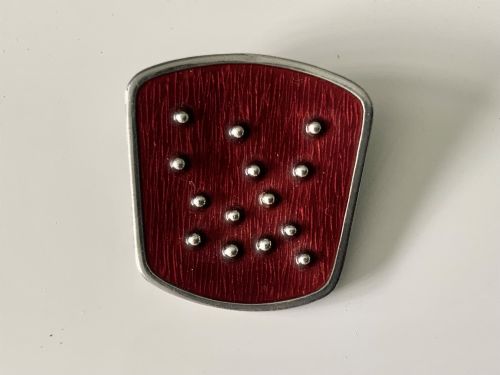


Scandinavian Brooch
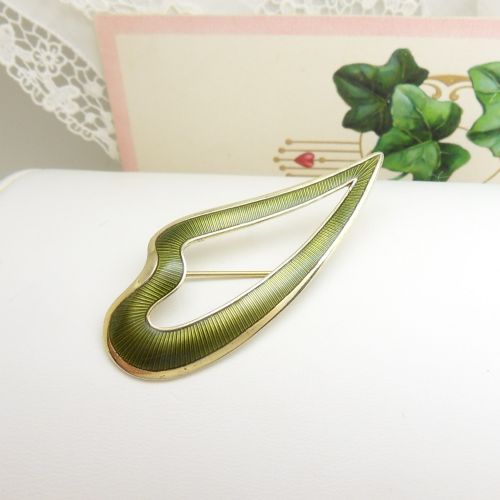
These pieces of scandinavian brooch design combine clean mid-century lines with vibrant enamel work, offering collectors both sculptural elegance and wearable colour.
Scandinavian Brooch
When you search for a scandinavian brooch, you encounter pieces originating primarily from the mid-twentieth century alongside earlier Art Nouveau and Victorian examples. The selection spans minimalist silver work and highly colourful enamel creations.
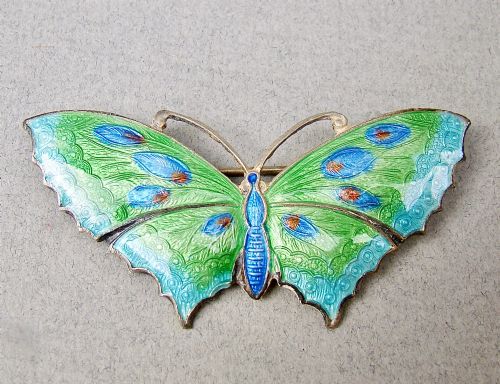
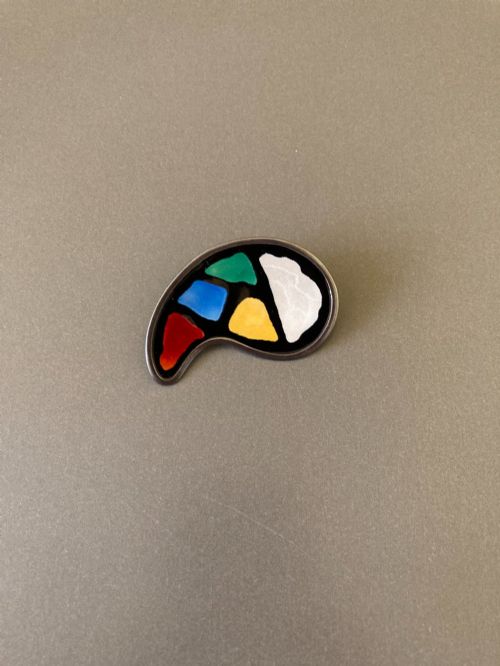
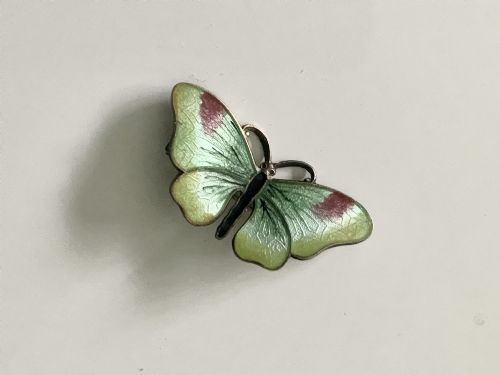
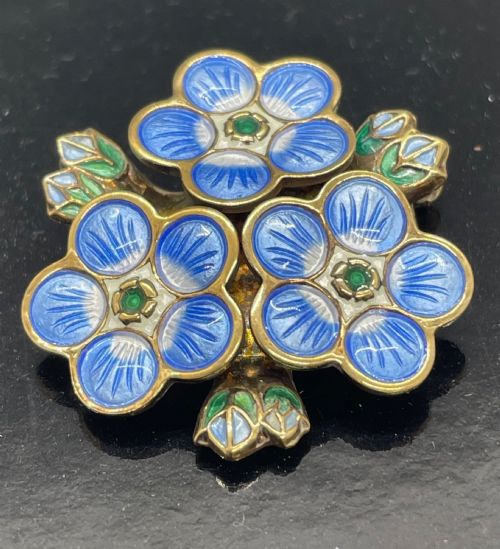
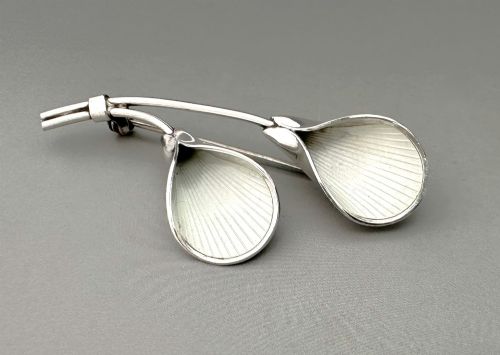
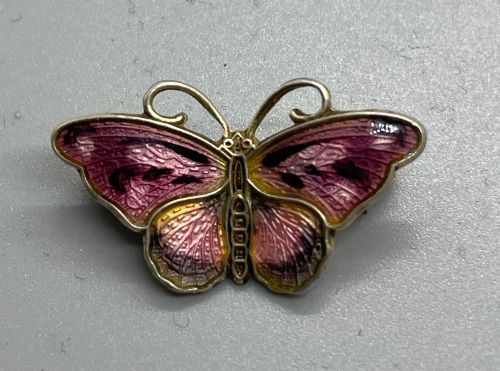
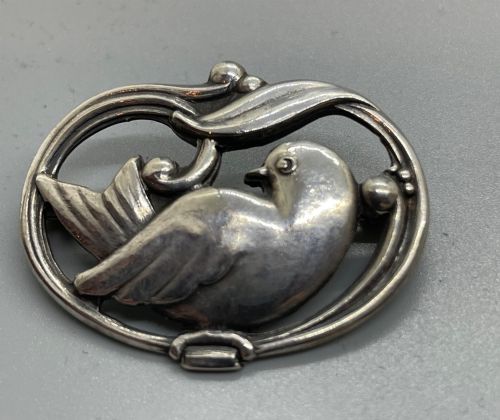
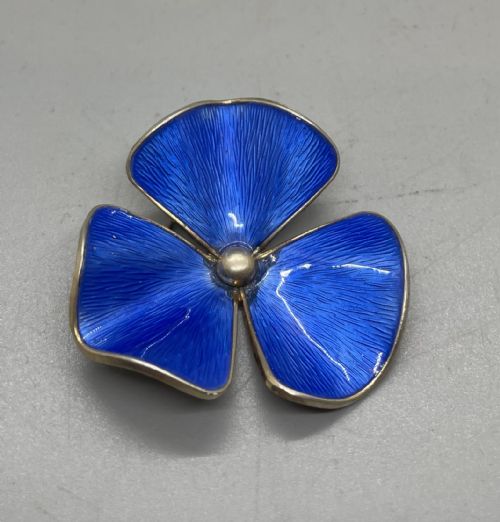
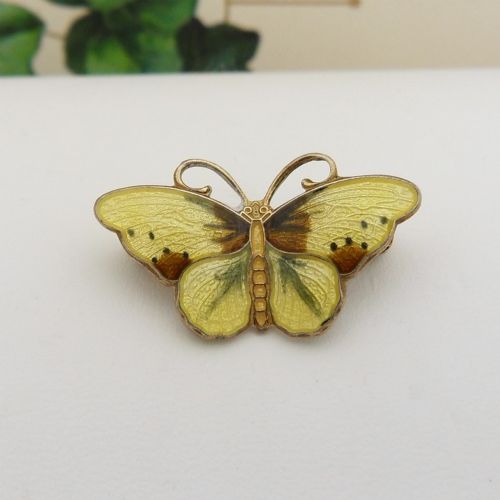
The most common pieces on this page are mid-century designs from Norway and Denmark. These frequently take the form of butterflies, floral motifs, or abstract geometric shapes.
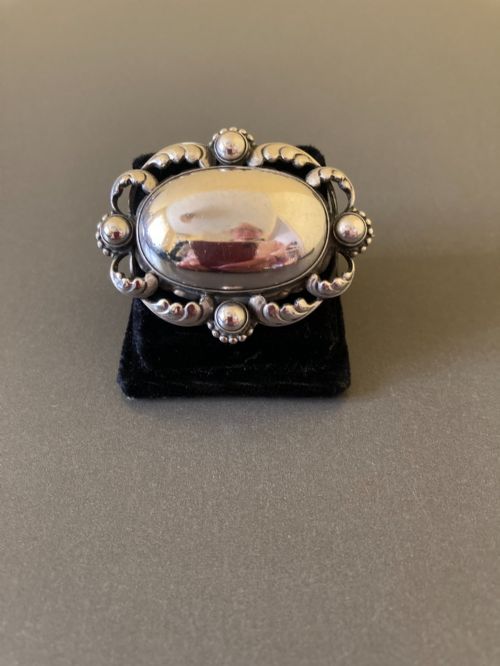
Makers from this region utilised sterling silver, silver gilt, and vitreous enamel to produce everything from delicate bar brooches to substantial cape clips and modernist forms.
How They Were Made
Silversmiths shaped sterling silver and silver gilt into detailed structures, often applying oxidised highlights to create depth and contrast within the metal.
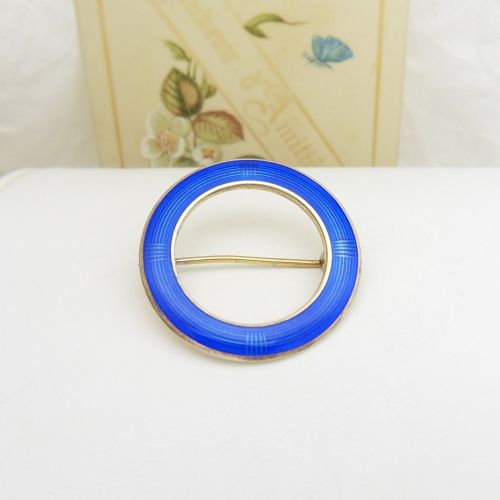
Vitreous enamel and guilloche enamel techniques provided the rich blue, red, green, and white surfaces seen across many butterfly and floral designs. Artisans fused powdered glass to the metal base under high heat to achieve a translucent, patterned finish.
Scandinavian Brooch Retail Price Guide 2026
Typical asking prices for scandinavian brooch among the pieces listed under this phrase on Sellingantiques today, from the lower quarter to the upper quarter. They describe what is for sale here now, not the wider market.
Several tiny winged insects wait quietly in the collection, including multiple vibrant enamel butterflies and a single metallic snail.
What Varies in Quality
The precision of the guilloche engine-turning beneath the translucent enamel dictates much of the visual depth in finer pieces. Superior examples maintain crisp, regular patterns that catch the light evenly.
Georg Jensen·Aksel Holmsen·David Andersen·Hroar Prydz·Gustav Gaudernack
The Scandinavian Brooch Glossary
- Guilloche enamel
- A decorative technique where an intricate geometric pattern is engraved mechanically into the silver before translucent enamel is applied over the top.
- Silver gilt
- Sterling silver that has been coated with a thin layer of gold, often providing a warm contrast to brightly coloured enamel work.
- Skonvirke
- The Danish version of Art Nouveau and Arts and Crafts styles, focusing on organic motifs and traditional craftsmanship.
- Vitreous enamel
- Glass fused to metal at high temperatures, creating a durable and lustrous coloured surface.
Scandinavian Brooch: Frequently Asked Questions
How do I identify a Norwegian enamel brooch?
Look for hallmarks indicating silver standard, such as 925S, alongside maker marks for workshops like David Andersen or Aksel Holmsen. These pieces frequently feature butterfly or floral subjects rendered in guilloche enamel.
Weight and pin construction also offer clues, as mid-century Scandinavian makers utilised specific catch designs and robust sterling silver frames.
What styles are common in Scandinavian brooches?
The listings span several distinct periods, with Mid-Century Modern and Scandinavian Modern being the most prevalent. You will also find earlier Art Nouveau, Art Deco, Skonvirke, and Victorian revival pieces.
Geometric abstracts and naturalistic motifs like flowers, snails, and butterflies define the visual range across these different eras.
How should I care for vintage enamel jewellery?
Store your brooch in a soft pouch away from direct sunlight and other hard jewellery pieces to prevent scratching the delicate glass surfaces. Avoid harsh chemical cleaners and ultrasonic baths.
Clean the silver components gently with a microfibre cloth, taking care not to scrub the enamel or gilt layers aggressively.
Are these brooches heavy to wear?
Most of these designs are relatively light, as silversmiths hollowed out or streamlined the metal to ensure the pieces could sit comfortably on delicate fabrics without pulling.
Larger cape clips and substantial modernist silver brooches have more weight, requiring a sturdier garment lapel or weave to support them properly.