

Scalloped Wood Table
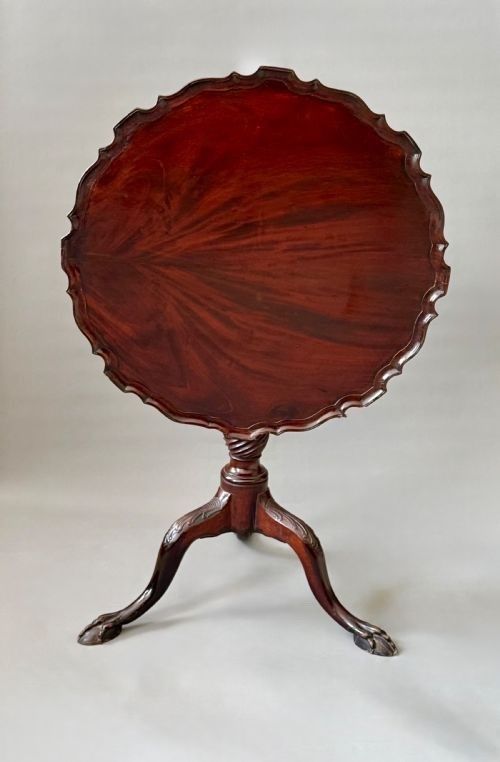
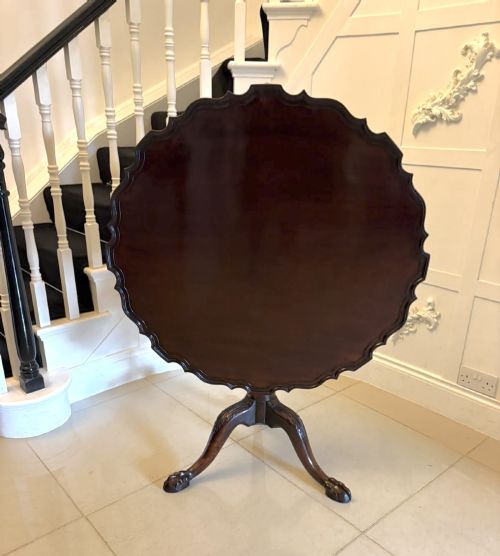
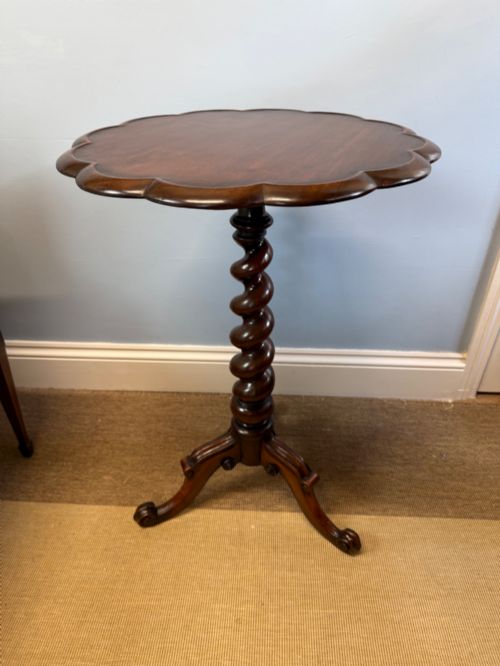
A scalloped wood table brings a distinct shaped edge to a room, offering practical surface space paired with decorative curved detail.
Scalloped Wood Table
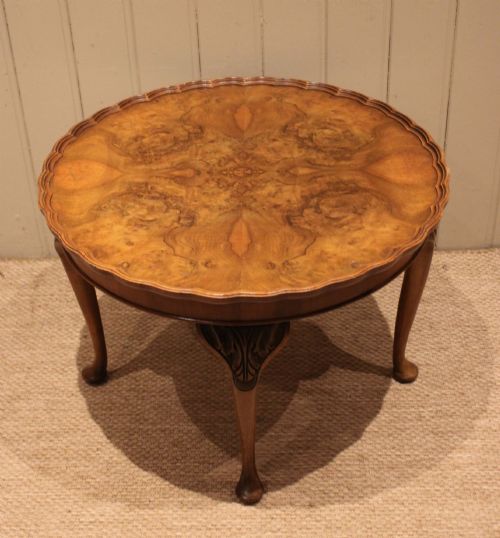
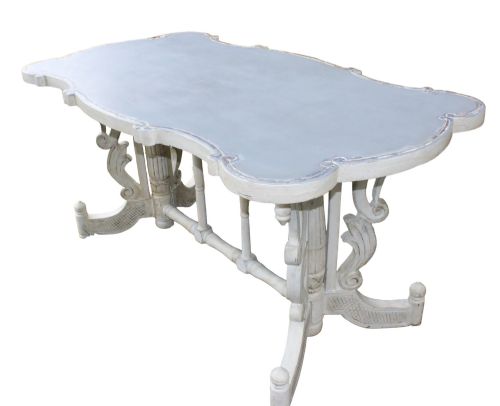
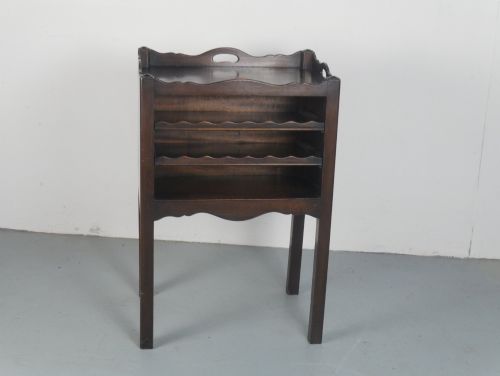
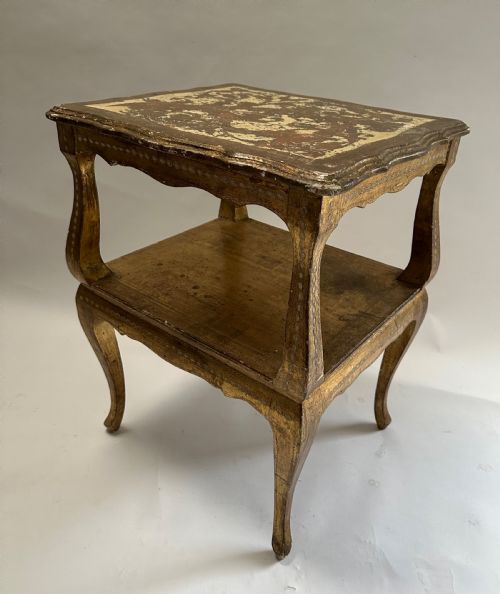
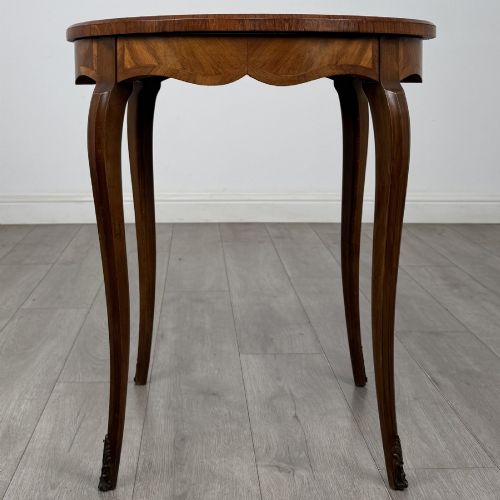
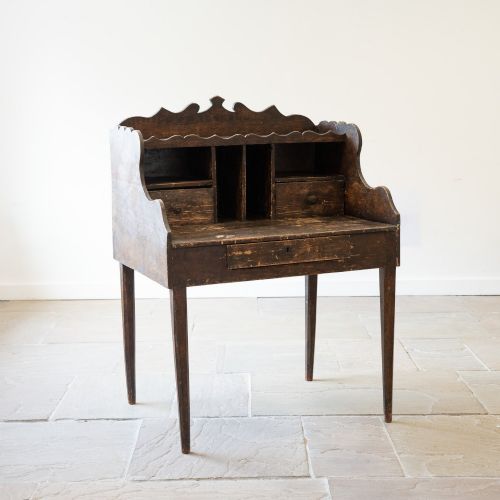
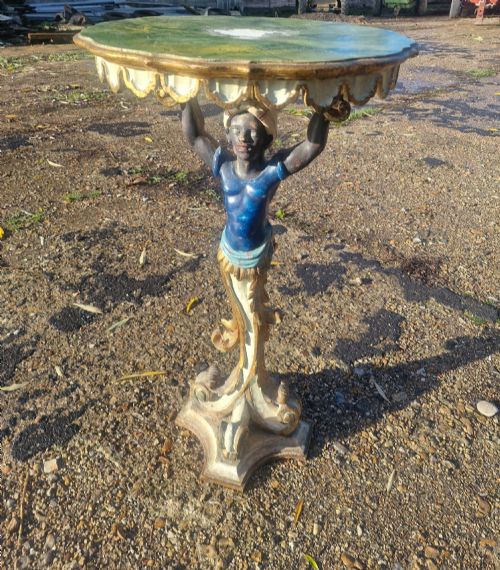
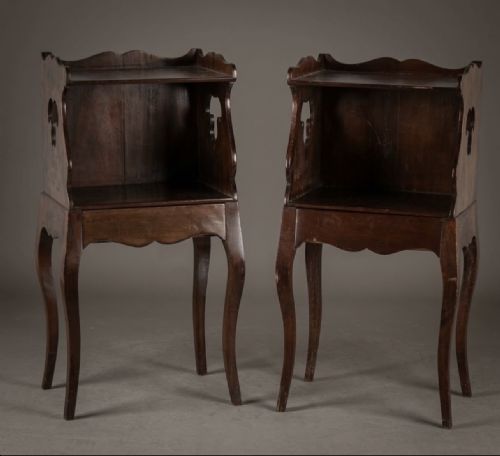
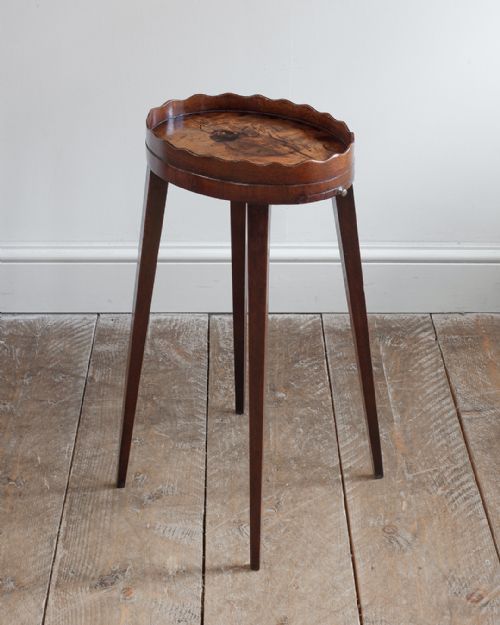
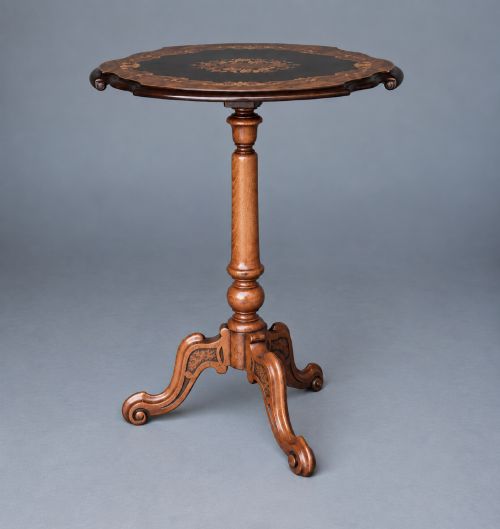
When you search for a scalloped wood table, you encounter a variety of forms designed for specific functions around the home, including side tables, occasional tables, coffee tables, and wine tables. These pieces emerge from multiple periods such as the Georgian era, Victorian period, and 1930s Art Deco movement.
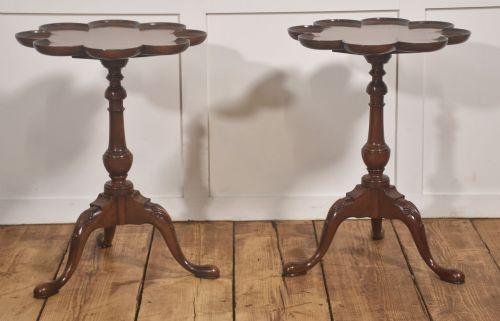
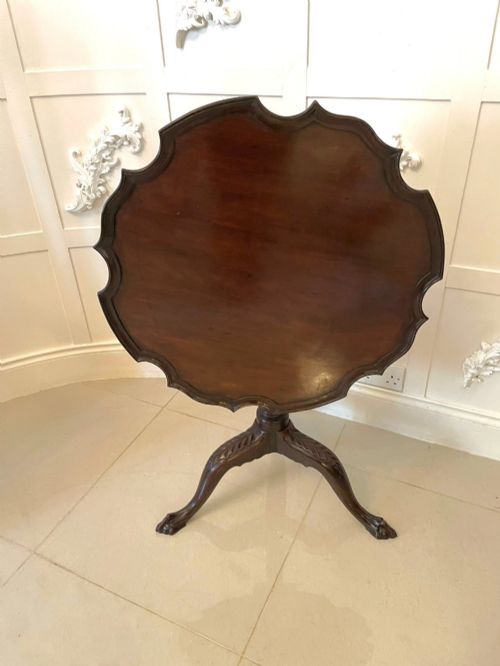
The most common examples on this page utilise traditional tripod bases with carved edges or take the form of small lamp and wine tables. Tables from the Georgian period and later Georgian Revival styles frequently present the signature shaped top alongside mahogany or walnut construction.
Materials and Technique
Cabinet makers utilised dense hardwoods like mahogany, walnut, oak, and yew wood to shape these tables, often applying intricate marquetry inlay or oyster veneers for visual depth. Tripod bases require precise turning and shaping of solid timber legs to support the shaped tops securely.
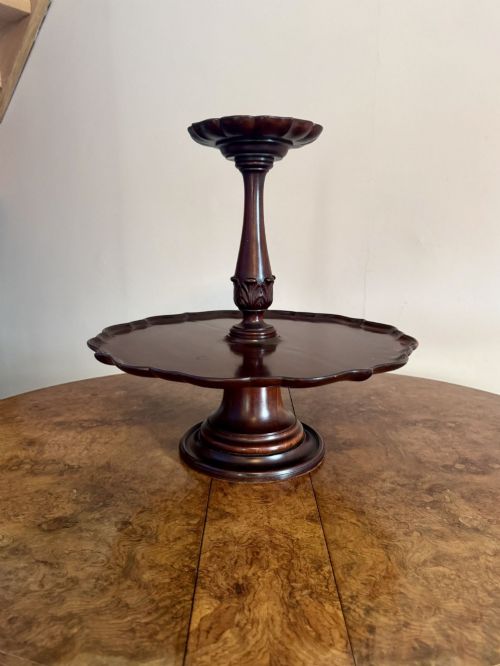
Makers fashioned the characteristic shaped rims, often referred to as pie-crust edges, through careful hand-carving directly from solid wood or by moulding raised borders around the perimeter of the tabletop.
Scalloped Wood Table Retail Price Guide 2026
Typical asking prices for scalloped wood table among the pieces listed under this phrase on Sellingantiques today, from the lower quarter to the upper quarter. They describe what is for sale here now, not the wider market.
Some tables double as chess boards, proving that historical makers appreciated a quick game.
Quality and Craftsmanship
The distinction between standard examples and the finest pieces lies in the precision of the edge carving and the selection of timber veneers. Superior tables display crisp, deeply carved mouldings on the shaped rim rather than softened or shallow contours.
Exemplary pieces incorporate high-grade secondary materials such as burr walnut, birds eye maple, or detailed marquetry work, paired with stable, well-proportioned pillar and tripod supports that demonstrate superior cabinet-making pedigree.
Shapland and Petter·Egan Workshop
The Scalloped Wood Table Glossary
- Pie-crust edge
- A raised, scalloped perimeter carved into the solid wood tabletop, frequently associated with Georgian tripod tables.
- Tilt-top
- A hinged mechanism allowing the tabletop to pivot into a vertical position when not in use, saving space in smaller rooms.
- Tripod base
- A support structure consisting of three shaped legs radiating from a central turned pedestal.
- Marquetry
- Decorative veneer work arranged in intricate patterns using various coloured woods on the surface of the table.
- Occasional table
- A small, portable piece of furniture intended for light use in sitting rooms or hallways.
Scalloped Wood Table: Frequently Asked Questions
What is a scalloped wood table used for?
These pieces serve as functional surface furniture for lamps, drinks, or decorative items within domestic settings.
Their compact forms make them adaptable for placement beside seating or in hallways as occasional accents.
What woods were commonly used?
Cabinet makers utilised regional and imported timbers including mahogany, walnut, oak, yew wood, and rosewood.
Many examples incorporate decorative veneers or inlay work to enhance the visual appeal of the surface.
How do I date a Georgian Revival piece?
Georgian Revival furniture borrows aesthetic elements from 18th-century designs but dates to later periods such as the early 20th century.
Examination of timber ageing, construction joints, and hardware typically reveals the true period of manufacture.