





Satsuma Ware Figure
These satsuma ware figure pieces bring elaborate earthenware modelling and intricate enamel painting into domestic spaces, prized for their rich storytelling and detailed depictions of traditional subjects.
Satsuma Ware Figure
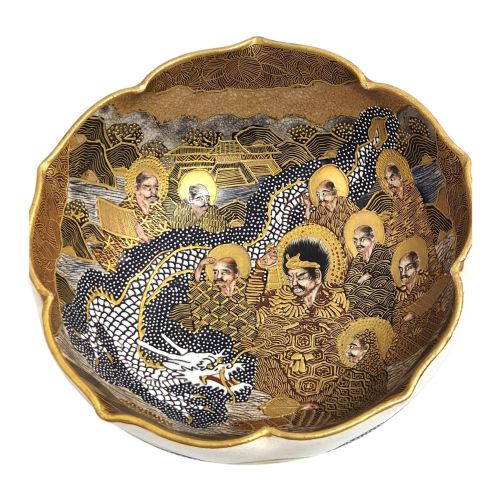
When you search for satsuma ware figure, you encounter decorative figurines and okimono modelled in earthenware and porcelain during the nineteenth and early twentieth centuries. These pieces typically depict traditional figures such as Daikoku, Bijin and Rakan rendered with meticulous attention to costume and expression.
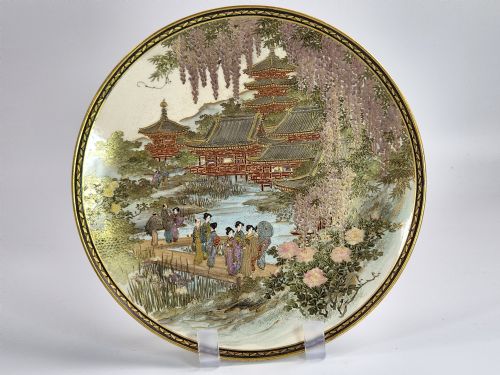
The items listed on this page span the Meiji to Taisho periods, originating from important production centres like Kyoto and Tokyo. Collectors encounter diverse forms ranging from large okimono sculptures to elaborate multi-figure plates and vases incorporating figural motifs.
How they were made
The execution relies on precise brushwork combined with raised enamel relief known as moriage. Workshops in Kyoto and Tokyo utilised these established techniques to achieve the characteristic crackle glaze and dense pictorial surfaces.
Satsuma Ware Figure Retail Price Guide 2026
Typical asking prices for satsuma ware figure among the pieces listed under this phrase on Sellingantiques today, from the lower quarter to the upper quarter. They describe what is for sale here now, not the wider market.
The documented periods span from Victorian and 1880 items through the Meiji and Taisho eras up to 1920.
What varies in quality
The standard of painting and modelling separates exceptional examples from ordinary production, particularly in the precision of facial expressions and the complexity of figural groupings. Finer pieces demonstrate superior control over minute enamel work and gilding.
Artisanal signatures and workshop marks often indicate higher execution standards, reflecting the output of prominent makers. The depth of the relief work and the crispness of the crackle glaze further distinguish the most accomplished items.
Kinkozan Kyoto·Kizan·Tokyo Taizan·Meizan
The Satsuma Ware Figure Glossary
- Okimono
- A Japanese display piece or decorative figurine intended for interior placement. These sculptures often represent deities, immortals or figures from folklore.
- Moriage
- A ceramic technique using raised enamel slip to create textured decorative patterns. This method adds tangible relief to robes and floral motifs.
- Daikoku
- One of the Seven Lucky Gods in Japanese mythology, frequently depicted as a stout figure holding a mallet and sitting on bales of rice.
- Bijin
- A traditional representation of a beautiful woman, commonly shown wearing ornate historic garments and rendered in fine detail.
- Rakan
- An enlightened disciple of Buddha, often portrayed in sets or groups displaying individualistic expressions and meditative postures.
Satsuma Ware Figure: Frequently Asked Questions
What is a satsuma ware figure?
A satsuma ware figure is a decorative earthenware or porcelain sculpture or okimono originating from Japan, typically created during the nineteenth century. These pieces depict cultural figures, deities and historical personages with detailed hand-painted enamel and gilt decoration.
Makers utilised fine brushwork and raised enamel techniques to illustrate traditional garments and facial expressions. They serve as representative examples of Meiji period ceramic artistry.
How were these figures used?
These pieces functioned primarily as ornamental display items within homes and reception rooms. They were placed on tables, shelves or within tokonoma alcoves to be admired for their artistic merit and symbolic storytelling.
Owners appreciated them for their intricate depictions of folklore and mythology. Their presence indicated an appreciation for fine Japanese craftsmanship during the Victorian era.
How do I live with satsuma ware figures?
Display these items in stable environments away from direct sunlight to protect the delicate enamel colours and gold leaf highlights. Handle them with care to avoid chipping the earthenware body or abrasion to the painted surface.
Pairing them with neutral backgrounds allows the complex patterns and polychrome details to stand out clearly. Dust them gently with a soft, dry brush without using liquid cleaning agents.
How do I tell periods apart?
Nineteenth-century examples, particularly those from the Meiji period, often feature dense pictorial decoration and signed workshop marks. Later pieces extending into the Taisho period may display stylistic shifts in colouring and simpler framing motifs.
Examining the character of the crackle glaze and the style of the enamel work helps establish the manufacturing timeframe. Comparing signed pieces against documented workshop standards provides further clarity on dating.