


Satinwood Pedestal Stand
A satinwood pedestal stand offers a refined display surface, bringing luminous timber grain and classic proportion to an interior.
Satinwood Pedestal Stand
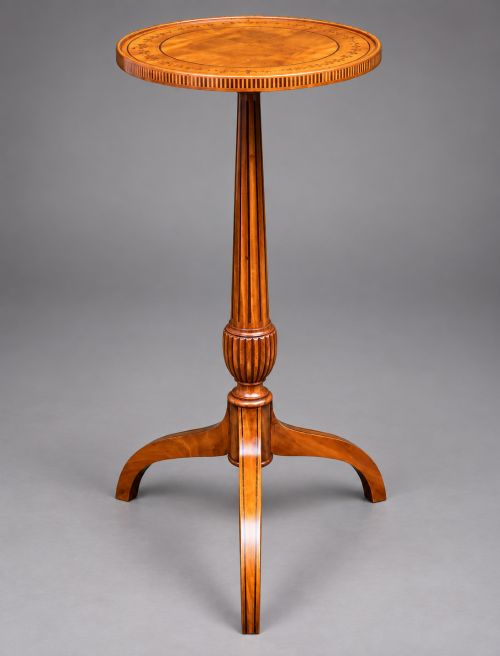
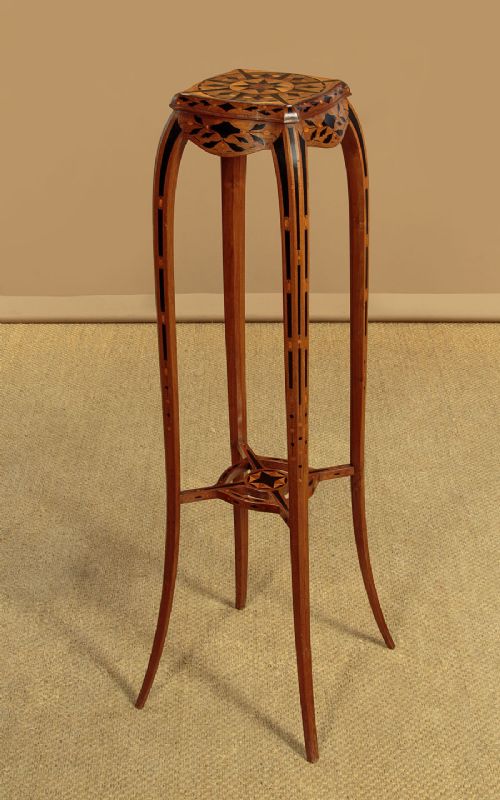
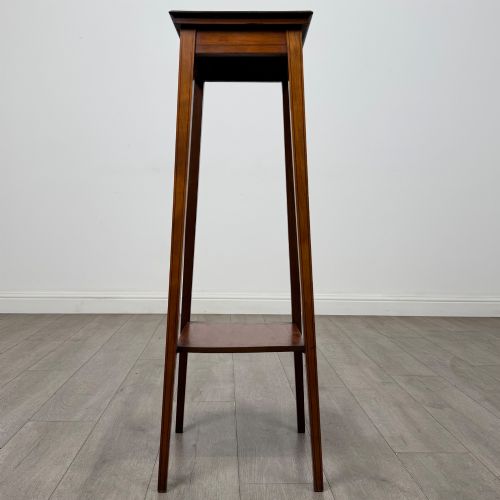
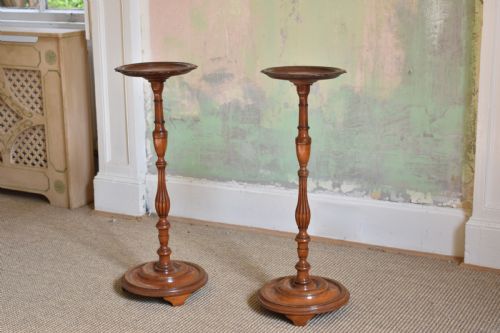
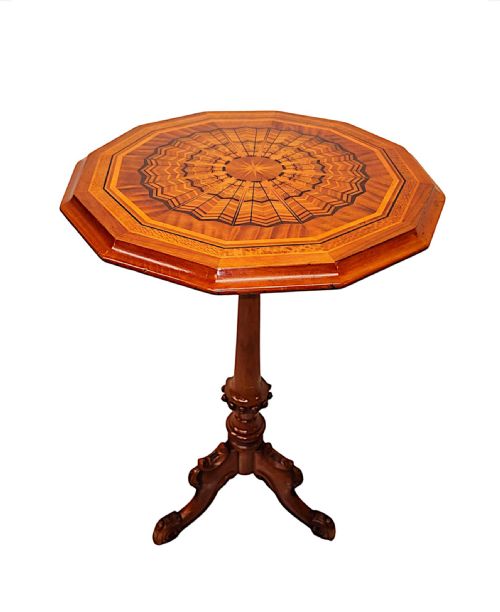
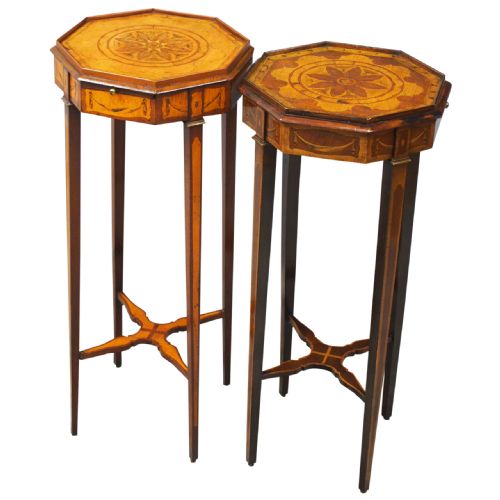
A satinwood pedestal stand encompasses a variety of elevated display forms, ranging from plant stands and torchères to wine tables and occasional lamp tables. These pieces emerge across the Georgian, Regency, Victorian, and Edwardian periods, often echoing the classical designs of Sheraton and Adam.
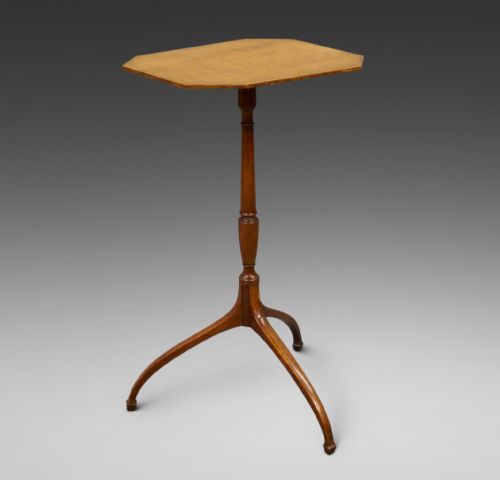
The version most frequently met on this page is the occasional or wine table, alongside dedicated plant stands and upright pedestals. Makers utilised the pale, light-reflecting qualities of satinwood, frequently pairing it with contrasting timbers and intricate stringing.
Materials and construction
Makers constructed these stands using a foundation of solid timber veneered with figured satinwood, often accentuating the design with contrasting bandings of mahogany, rosewood, ebony, and satin birch. Brass mounts and hardware occasionally provide structural or decorative support.
Inlaid woods create geometric or floral motifs, while hand-decorated painted surfaces appear on specific Edwardian examples. Tripod bases and tapered columns distribute weight evenly beneath the circular or square tops.
Listings feature satinwood alongside contrasting mahogany, rosewood, ebony, and satin birch across the Georgian, Regency, Victorian, and Edwardian periods.
Evaluating craftsmanship and proportion
The distinction between tiers rests upon the precision of the timber selection and the restraint of the decoration. Finer examples display carefully matched veneer grains across the top surface and crisp execution of inlaid borders.
Structural integrity in the pillar and tripod joints dictates daily utility, separating pieces designed for display from those built merely for utility. The depth of hand-finishing determines how well the satinwood catches and reflects ambient light.
Gillows·Edwards & Roberts
The Satinwood Pedestal Stand Glossary
- Satinwood
- A dense, lustrous hardwood with a natural golden sheen, prized for fine cabinetmaking. It forms the primary visual surface on these stands.
- Torchère
- A tall, slender stand designed specifically to elevate a light source or decorative object. They feature prominently among plant and pedestal stands.
- Tripod base
- A three-legged support structure commonly found beneath circular occasional and wine tables. This design ensures stability on uneven floors.
- Sheraton Revival
- A late nineteenth and early twentieth-century style resurrecting the lighter, neoclassical furniture forms associated with Thomas Sheraton. Pieces often incorporate delicate satinwood inlay.
- Inlaid woods
- Pieces of contrasting timber fitted into recesses within the primary wood to create decorative patterns. Common examples include ebony and rosewood stringing.
Satinwood Pedestal Stand: Frequently Asked Questions
What is a satinwood pedestal stand used for?
These pieces function primarily as elevated display surfaces for plants, small sculptures, lamps, or decorative vessels. Their compact footprint allows them to occupy corners or beside seating without crowding a room.
Historically, wine tables and torchères served specific domestic duties during evening entertaining, while modern interiors utilise them as versatile occasional surfaces.
How do I distinguish Georgian from Edwardian pieces?
Georgian and George III pieces generally display heavier structural engineering, understated classical restraint, and deep patination on the timber. Sheraton Revival and Edwardian interpretations often feature lighter proportions, painted decoration, and brighter, crisper satinwood veneers.
Examining the underside construction, timber shrinkage, and fastener types helps clarify the manufacturing era.
How should I care for antique satinwood?
Satinwood benefits from placement away from direct sunlight and rapid temperature fluctuations, which can dry out the timber and veneer. Regular dusting with a soft, dry cloth preserves the polished surface.
Application of appropriate furniture wax maintains the moisture balance and lustre of the wood without building up heavy residues.
Are these stands structurally stable?
Most tripod and pedestal forms balance their weight effectively over three or four feet, provided the joints remain tight. Plant stands and torchères are engineered to hold moderate downward pressure safely.
Placing heavier objects near the centre of the top surface ensures continued stability during daily use.